







What's Happening?
Constellation, a major U.S. energy producer, has outlined an ambitious climate strategy to achieve 95% carbon-free electricity generation by 2030 and 100% by 2040. The company also targets a complete reduction in operational emissions by 2040. This strategy is built
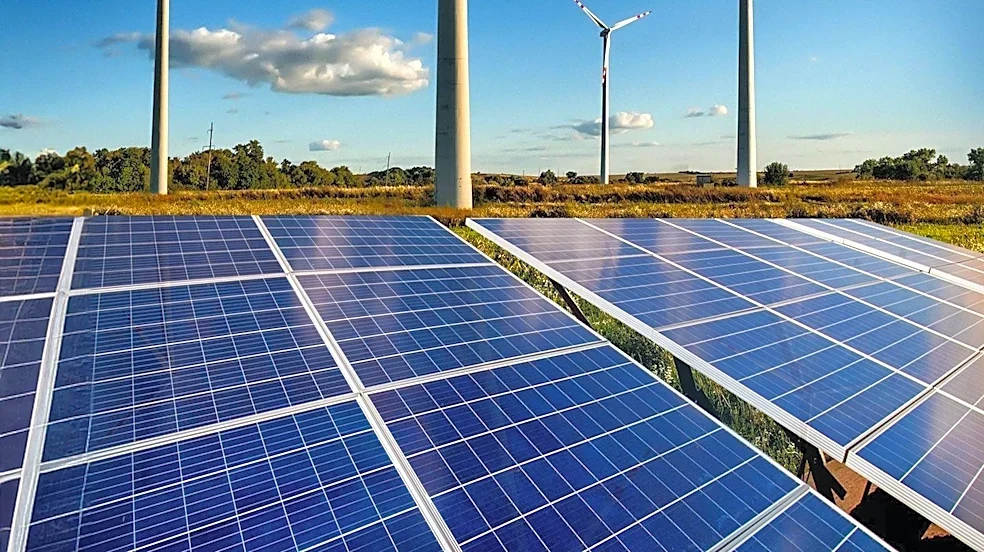
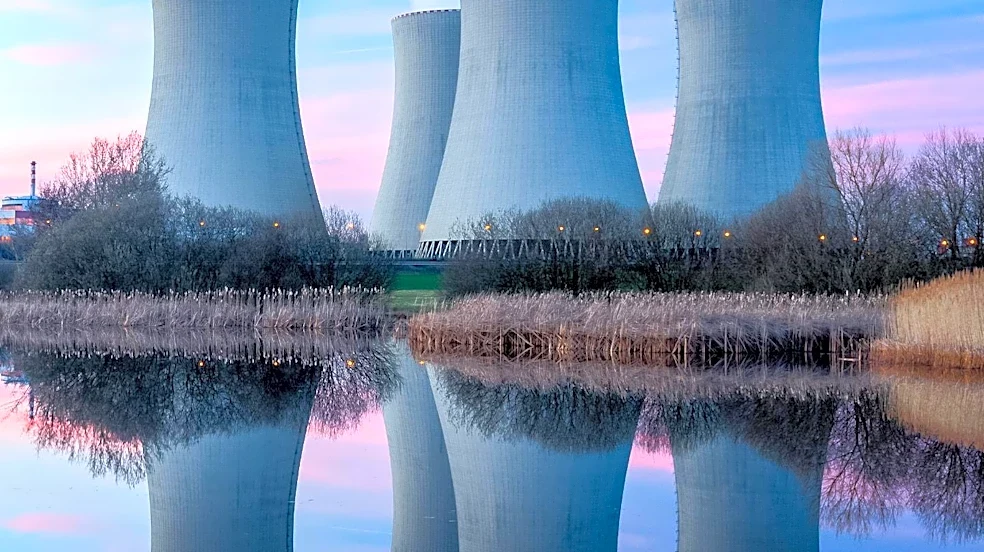
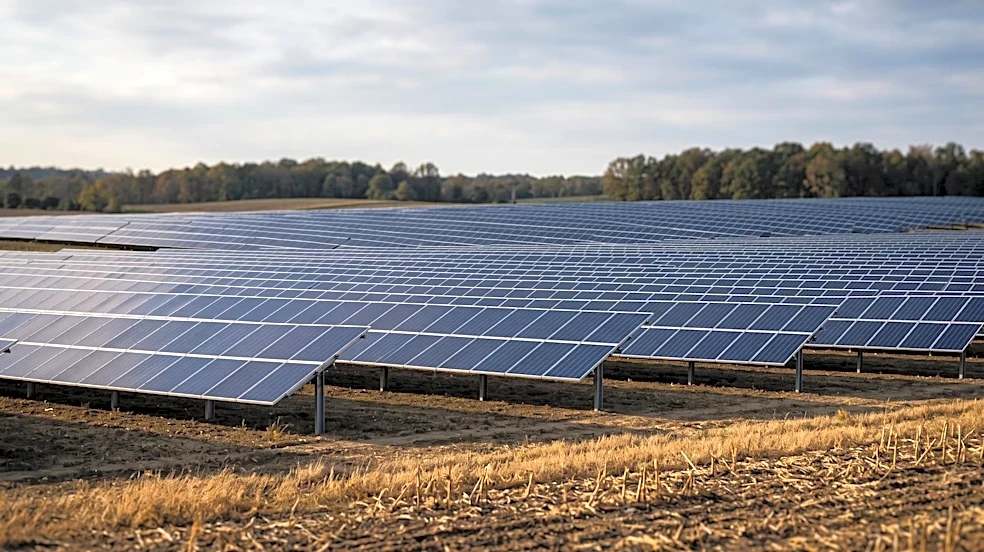
on several key pillars, including the preservation and expansion of its nuclear fleet, which provides consistent zero-emissions power. Additionally, Constellation plans to assist its customers in managing energy consumption and meeting their sustainability objectives through energy efficiency programs, renewable energy procurement, and carbon management products. The company also emphasizes supporting the communities where it operates. Constellation currently generates approximately 10% of the nation's carbon-free energy, with nearly 90% of its annual output coming from emissions-free sources, including nuclear, hydroelectric, solar, and wind assets. A cross-functional Sustainability Council within the company regularly assesses policies and recommends changes to senior management to ensure progress toward these goals.
Why It's Important?
Constellation's commitment to achieving 100% carbon-free electricity by 2040 is significant for the U.S. energy landscape and its broader climate goals. As one of the nation's largest producers of clean energy, its transition will substantially contribute to reducing national carbon emissions and mitigating climate change impacts. The emphasis on preserving and expanding its nuclear fleet highlights the critical role of nuclear power as a reliable, zero-emission energy source in the clean energy transition. This strategy could influence other energy providers to accelerate their decarbonization efforts, fostering a more competitive environment for clean energy solutions. Furthermore, by helping customers meet their sustainability goals, Constellation is promoting broader adoption of energy efficiency and renewable practices across various sectors, which can lead to significant aggregate reductions in energy consumption and carbon footprints. The company's approach also underscores the growing demand for clean and dependable energy driven by the data economy, electrification, and domestic manufacturing, signaling a shift in the national energy paradigm.
What's Next?
Constellation will continue to implement its multi-faceted climate strategy, focusing on the expansion and maintenance of its nuclear power plants, which are central to its carbon-free generation targets. The company is expected to further develop and offer energy efficiency and carbon management products to its customers, aiding them in their own sustainability journeys. Internally, the Sustainability Council will regularly review progress and adapt policies to ensure the company remains on track to meet its 2030 and 2040 carbon-free electricity goals. This initiative may also involve continued investment in other renewable energy sources like hydroelectric, solar, and wind. The success of Constellation's strategy could serve as a model for other large energy providers in the U.S., potentially leading to increased industry-wide commitments to decarbonization and greater investment in clean energy technologies. The company's efforts will likely contribute to ongoing discussions about energy policy and infrastructure development at both state and federal levels.
Beyond the Headlines
Constellation's aggressive climate strategy reflects a broader trend in the U.S. energy sector towards decarbonization, driven by both environmental concerns and evolving economic demands. The company's reliance on nuclear power as a cornerstone of its clean energy portfolio highlights the ongoing debate about the role of nuclear energy in a sustainable future, balancing its zero-emission benefits with concerns about safety and waste management. This move could also signal a shift in public and policy perception towards nuclear energy as a vital component of a reliable, carbon-free grid. Furthermore, by integrating customer sustainability goals into its business model, Constellation is demonstrating a move towards a more holistic approach to energy management, where providers and consumers collaborate to achieve environmental targets. This could foster innovation in energy efficiency technologies and distributed energy resources, ultimately reshaping how energy is produced, delivered, and consumed across the nation.