








What's Happening?
Kiewit's Architectural & Engineering (KAE) division is actively delivering fully integrated design and engineering solutions for a variety of complex and high-visibility industrial buildings across North America. The company is currently seeking senior-level
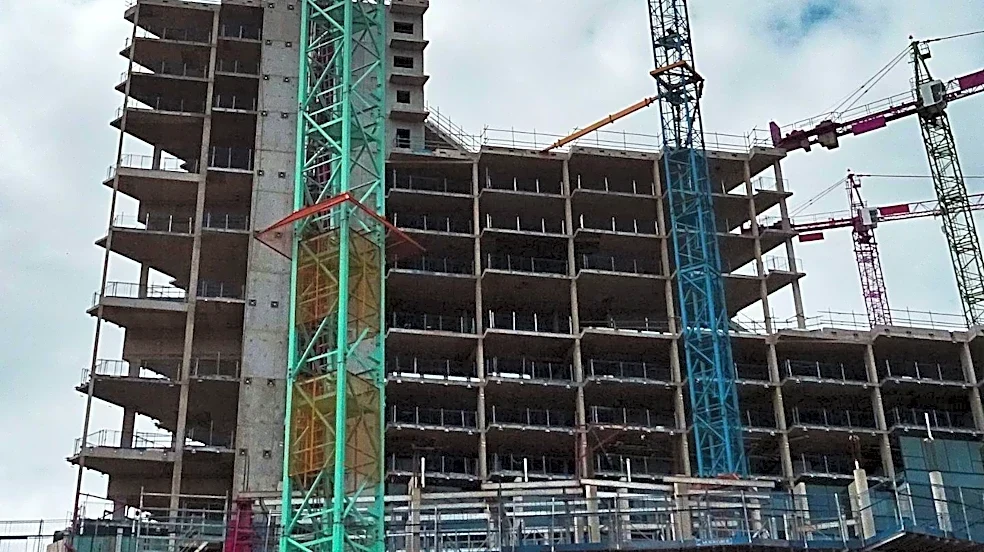
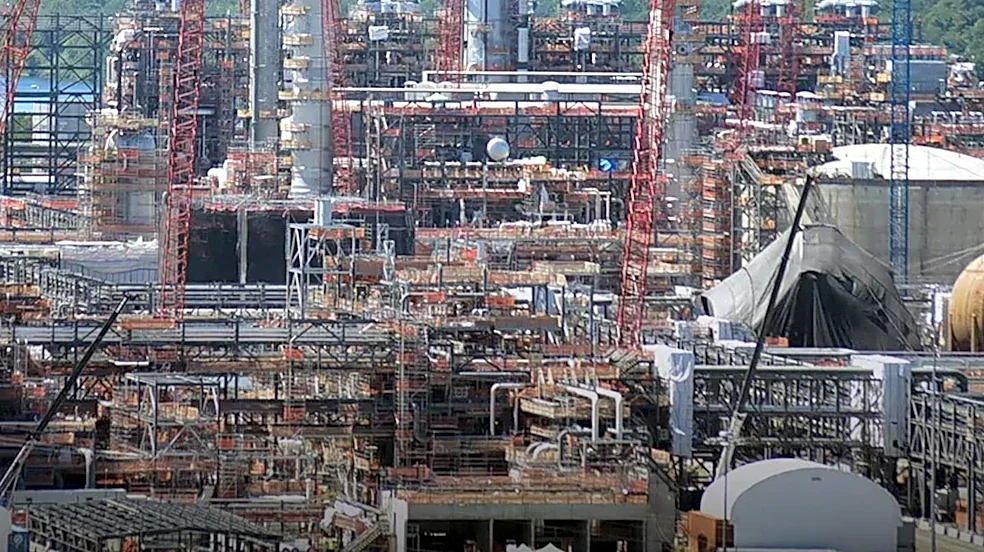
and lead architects to join its team. These architects will be responsible for leading and overseeing the architectural design for diverse building types within Kiewit's multiple market areas. This includes projects in advanced technology, such as data centers and server rooms, nuclear facilities, hospitals, water/wastewater treatment plants, large office buildings, university structures, manufacturing facilities, transportation infrastructure, and industrial process buildings. The roles involve managing fast-paced projects, coordinating with in-house project engineers and contractors, and executing building estimates, conceptual designs, and construction documents and administration. Kiewit emphasizes its employee-owned structure, fostering dedication and commitment to project success, and positions itself as a key player in meeting growing infrastructure demands.
Why It's Important?
The expansion and continued operation of Kiewit's KAE division highlight a significant trend in the U.S. construction and engineering sectors: the demand for integrated design and engineering solutions for large-scale, complex industrial and infrastructure projects. This approach streamlines project delivery, potentially reducing costs and timelines, which is crucial for the development of critical infrastructure. The focus on diverse sectors like advanced technology, healthcare, and utilities indicates robust investment and growth in these areas, directly impacting economic development and technological advancement across the nation. For instance, the development of data centers supports the burgeoning digital economy, while new hospitals and water treatment facilities are essential for public health and community resilience. The company's employee-owned model could also foster a more stable and dedicated workforce, contributing to higher quality project outcomes and long-term industry expertise. This sustained demand for specialized architectural and engineering talent also creates numerous job opportunities and drives innovation in design and construction methodologies.
What's Next?
Kiewit is expected to continue its recruitment efforts for senior and lead architects to support its expanding portfolio of projects. The company's ongoing involvement in various critical infrastructure sectors suggests a sustained pipeline of work in areas such as advanced technology, healthcare, and public utilities. This will likely lead to further advancements in integrated design and engineering practices as Kiewit seeks to optimize project delivery and efficiency. The emphasis on hyperscale projects indicates a future trend towards larger and more complex developments, requiring sophisticated architectural and engineering solutions. Furthermore, Kiewit's commitment to an employee-owned model may influence its talent acquisition and retention strategies, potentially attracting professionals seeking long-term career stability and a direct stake in project success. The company's role in meeting infrastructure demands suggests continued engagement with both public and private sector clients, shaping the physical and technological landscape of the U.S.
Beyond the Headlines
The integrated design and engineering approach championed by Kiewit's KAE division represents a broader shift in the construction industry towards more holistic project management. This model not only enhances efficiency but also promotes greater collaboration between different engineering disciplines from the initial design phases, potentially leading to more innovative and sustainable solutions. The diverse range of projects, from nuclear buildings to data centers, underscores the critical role of architectural and engineering services in supporting national security, economic competitiveness, and public welfare. The demand for specialized expertise in these complex fields also highlights the ongoing need for robust educational pipelines in STEM disciplines to ensure a skilled workforce capable of tackling future infrastructure challenges. Moreover, the employee-owned structure of Kiewit could serve as a model for other firms, potentially influencing corporate governance and employee engagement strategies within the industry, fostering a culture of shared responsibility and long-term vision.