






What's Happening?
Eric Mavani, a celebrity jeweler known as 'Eric the Jeweler' who recently sold Cardi B a $3 million 'Barbie' Rolex Daytona, is facing accusations of involvement in a scheme to steal nearly $5 million worth of Hermes Birkin bags, jewelry, and apparel.
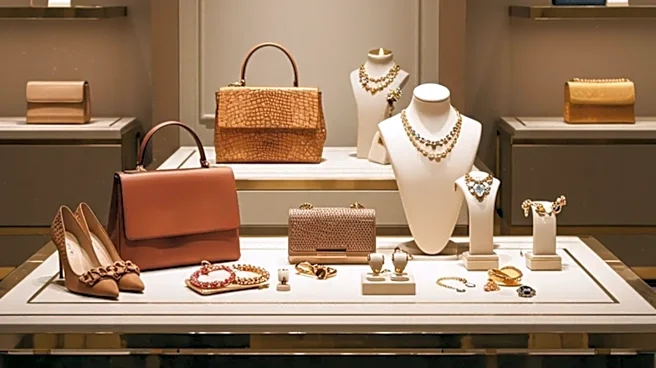
According to a lawsuit filed in Miami-Dade County Circuit Court by luxury bag seller Debra Kent, Mavani is one of four men implicated in an elaborate wire-transfer scheme. The lawsuit alleges that Mavani assisted celebrity car broker RD William Whittington, the main defendant, in exploiting Kent while she was severely ill. Whittington reportedly manipulated Kent into handing over more than 50 luxury handbags, and Mavani allegedly received approximately 23 of these Hermes bags, valued at about $1.5 million, as payment for a debt Whittington owed him. The complaint claims Mavani knew more than he admitted and has already resold some of the stolen purses, stating he was "entirely pleased with himself for participating in the fleecing of a vulnerable, sick senior citizen."
Why It's Important?
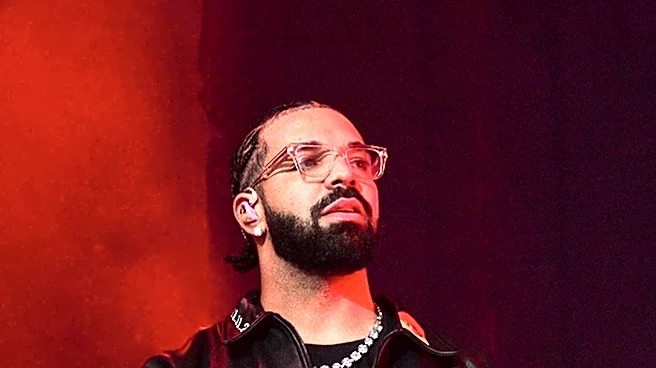
This case highlights the potential risks and lack of transparency within the high-end luxury goods market, particularly when transactions involve celebrity figures and their associated vendors. The allegations against Eric Mavani, a jeweler with a significant celebrity clientele including Tom Brady, Drake, and Kim Kardashian, could damage his reputation and potentially impact the trust placed in celebrity-affiliated businesses. For consumers and collectors of luxury items, this incident underscores the importance of due diligence and verifying the legitimacy of sellers, even those with public profiles. The lawsuit also brings to light the vulnerability of individuals, especially the elderly or those in compromised health, to sophisticated fraud schemes, prompting concerns about consumer protection in high-value transactions. The alleged resale of stolen goods further complicates the issue, potentially implicating unwitting buyers and creating a secondary market for illicitly obtained items.
What's Next?
The lawsuit filed by Debra Kent in Miami-Dade County Circuit Court is ongoing, seeking $13.8 million in damages. Attorneys for Whittington, Mavani, and Kent have not yet commented on the requests for comment. Mavani has reportedly denied wrongdoing, claiming to be a 'bonafide' buyer when confronted by lawyers. The legal proceedings will likely involve further investigation into the wire-transfer scheme and the extent of each defendant's involvement. The outcome of this case could set precedents for accountability in the luxury goods market and influence how transactions are conducted, especially those involving intermediaries and high-value assets. Depending on the court's findings, there could be significant financial penalties and reputational consequences for those found liable.
Beyond the Headlines
Beyond the immediate legal implications, this case touches upon broader ethical considerations within the luxury market and celebrity culture. The alleged exploitation of a vulnerable individual for financial gain raises questions about the moral responsibilities of those operating in high-stakes industries. The involvement of a celebrity jeweler, who benefits from public trust and association with famous personalities, could lead to increased scrutiny of the ethical practices of individuals and businesses within the entertainment and luxury sectors. This incident may also prompt discussions about the need for stricter regulations or enhanced oversight to protect consumers from sophisticated fraud, particularly when dealing with high-value assets that can be easily resold. The narrative of a 'vulnerable, sick senior citizen' being fleeced adds a layer of public concern, potentially fueling calls for greater accountability and transparency in such transactions.