







What's Happening?
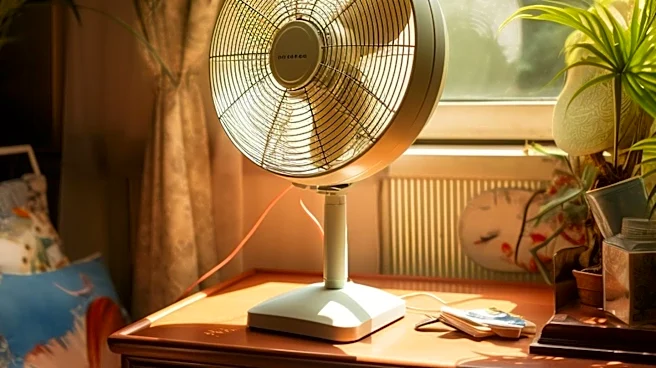
In response to extreme summer heat, individuals across the U.S. have shared inventive methods for staying cool without air conditioning. Techniques include using fans to circulate air, wearing ice-filled headbands, and utilizing water-based cooling methods like
swimming or using damp towels with fans. These strategies are influenced by personal experiences and family traditions, reflecting a diverse range of approaches to managing heat. From using inflatable kiddie pools to sleeping outdoors, people are finding practical ways to beat the heat while minimizing reliance on air conditioning.
Why It's Important?
As climate change leads to more frequent and intense heatwaves, finding sustainable ways to stay cool is increasingly important. These methods offer alternatives to air conditioning, which can be costly and environmentally taxing. By sharing these strategies, individuals contribute to a broader understanding of how to adapt to rising temperatures without increasing energy consumption. This collective knowledge can help communities prepare for future heat events, promoting resilience and reducing the carbon footprint associated with air conditioning.
Beyond the Headlines
The shared cooling strategies highlight cultural and regional differences in how people adapt to heat. They also underscore the importance of community knowledge and resourcefulness in addressing climate challenges. As people continue to innovate and share their experiences, there may be opportunities to develop new products or systems that enhance passive cooling techniques. This could lead to broader adoption of sustainable practices, influencing how society approaches climate adaptation.