





What's Happening?
Financial experts are advising couples on how to effectively balance building an emergency fund with long-term investment strategies. This guidance comes in response to common disagreements, such as a couple in Columbus, both 31, who saved $4,000 but
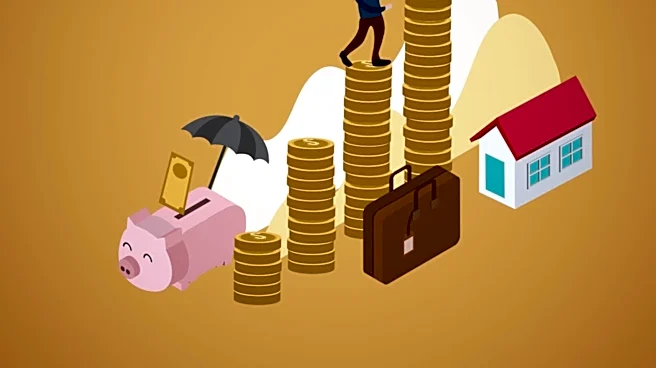
disagree on whether to invest it all in an index fund or prioritize a larger safety net. Experts recommend establishing a starter emergency fund covering at least one month of essential expenses, with a goal of reaching three to six months. They emphasize that selling investments during a market downturn to cover unexpected costs can turn temporary losses into realized ones. Once a starter fund is in place, couples can split future savings between expanding the emergency fund and investing consistently. High-yield savings accounts are suggested for emergency funds to earn interest while remaining accessible. For investing, platforms like Chime Invest allow starting with small amounts, such as $1, into stocks and ETFs, with options for automated contributions.
Why It's Important?
This advice is crucial for U.S. households, as financial security and wealth building are fundamental to economic stability. The tension between immediate financial safety and long-term growth is a common challenge, and an imbalance can lead to significant financial distress during unexpected events like job loss or medical emergencies. Prioritizing an emergency fund protects households from forced asset sales during market downturns, preserving investment capital and preventing realized losses. Simultaneously, consistent, early investing allows for compound growth, which is vital for retirement planning and achieving long-term financial goals. The guidance on using high-yield savings accounts and accessible investment platforms democratizes financial planning, making it easier for average Americans to manage their finances effectively and build wealth, thereby contributing to broader economic resilience.
What's Next?
Couples are encouraged to create a written financial plan outlining their monthly essential expenses, emergency fund target, and recurring investment contributions. This structured approach helps align financial goals and facilitates consistent progress. As their emergency fund reaches its target, they can reallocate a larger portion of their savings towards investments. Financial institutions and fintech companies are likely to continue developing tools and features, such as automated savings and investment options, to support these balanced financial strategies. Educational resources on personal finance will also remain critical in helping individuals and couples make informed decisions about their savings and investments, adapting to changing economic conditions and personal circumstances. The emphasis on diversification beyond traditional stocks and bonds, including real estate and alternative assets, suggests a future trend towards more comprehensive wealth-building strategies.
Beyond the Headlines
The discussion around emergency savings versus investing touches upon deeper societal and psychological aspects of financial behavior. The 'disposition effect' and 'herding' are common behavioral biases that can influence investment decisions, often leading individuals to sell winners too early and hold onto losers too long. The advice to maintain an emergency fund addresses the psychological need for security, which can prevent panic selling during market volatility. Furthermore, the emphasis on financial literacy and planning highlights the ongoing need for accessible education to empower individuals to navigate complex financial landscapes. The rise of fintech platforms that integrate banking, savings, and investing in one place reflects a broader trend towards simplifying financial management, aiming to reduce barriers to entry for new investors and promote healthier financial habits across different income levels and demographics.