





What's Happening?
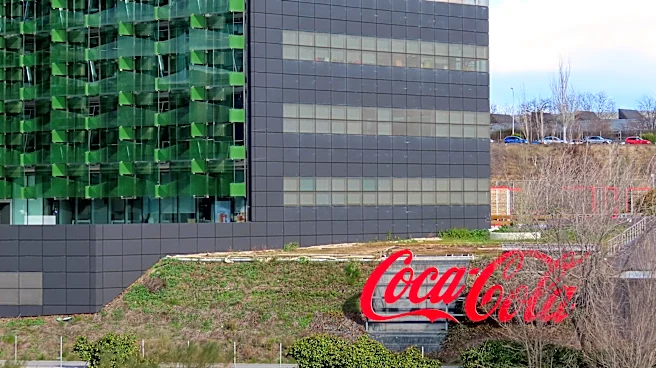
The Coca-Cola Company is actively seeking a Director, IT Procurement (Services & Software) to lead its global IT sub-category strategy. This role involves developing and executing strategies for digital technology services, encompassing areas such as IT professional
services, cloud, infrastructure, application services, and enterprise software. The selected individual will be responsible for end-to-end sourcing initiatives, including RFIs, RFPs, negotiations, supplier selection, and contract execution. A key objective of this position is to drive total cost of ownership (TCO) optimization, cost avoidance, and working-capital improvements across the company's technology portfolio. Additionally, the director will be tasked with building and maintaining long-term, trust-based partnerships with strategic technology and software suppliers, aiming to position Coca-Cola as a preferred customer through transparency and mutual respect. The company, founded in 1886, has grown significantly from serving nine drinks per day to 2.2 billion drinks daily across over 200 countries and territories, with a portfolio of 32 billion-dollar brands.
Why It's Important?
This strategic hire underscores The Coca-Cola Company's commitment to optimizing its global technology expenditures and enhancing its operational efficiency. By focusing on TCO optimization and cost avoidance in IT procurement, the company aims to achieve significant financial savings that can be reinvested into other areas of the business, such as product innovation, marketing, or sustainability initiatives. The emphasis on building strong supplier relationships is crucial for ensuring access to cutting-edge technology, favorable contract terms, and reliable service delivery, which are vital for maintaining a competitive edge in the fast-evolving beverage industry. Effective management of IT procurement can also mitigate risks associated with technology adoption and vendor dependencies, ensuring business continuity and data security. This move reflects a broader trend among large corporations to centralize and strategically manage their IT spending to maximize value and minimize waste.
What's Next?
The Coca-Cola Company will proceed with the recruitment and selection process for the Director, IT Procurement role, aiming to fill the position with a candidate who possesses extensive experience in global IT procurement and strategic supplier management. Once appointed, the new director will be expected to conduct a comprehensive review of existing IT contracts and supplier relationships to identify immediate opportunities for cost savings and efficiency improvements. This will likely involve renegotiating terms with current vendors and exploring new partnerships that align with the company's strategic technology roadmap. The implementation of new sub-category strategies for digital technology services will follow, potentially leading to shifts in how Coca-Cola procures cloud services, software, and IT professional services globally. The success of this role will be measured by quantifiable reductions in IT spending, improved supplier performance, and enhanced technological capabilities across the organization.
Beyond the Headlines
The creation of this high-level IT procurement role at The Coca-Cola Company highlights the increasing complexity and strategic importance of technology in even traditional industries. It signifies a recognition that IT is no longer just a support function but a critical enabler of business growth, innovation, and competitive differentiation. The focus on 'total cost of ownership' rather than just initial purchase price reflects a sophisticated approach to procurement, acknowledging the long-term costs associated with technology, including maintenance, integration, and potential obsolescence. Furthermore, the emphasis on building 'trust-based partnerships' with suppliers suggests a move away from purely transactional relationships towards more collaborative models, where vendors are seen as strategic partners in achieving business objectives. This shift could lead to more innovative solutions and better value creation for Coca-Cola, setting a precedent for how other large enterprises manage their technology ecosystems.