



What's Happening?
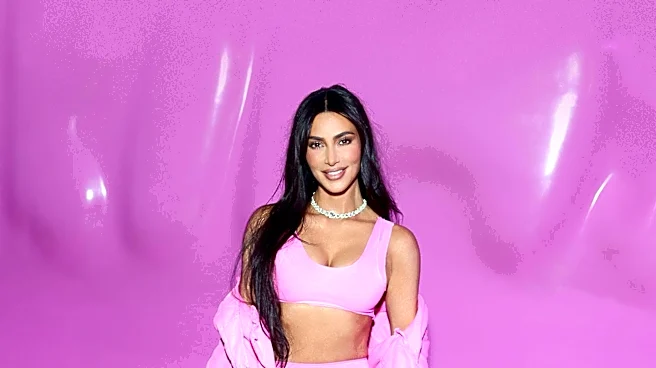
A quote attributed to Kim Kardashian regarding a towel and Formula 1 driver Kimi Antonelli, specifically "Nooo Kimi, I don't dare to touch your towel this time," originated from an unofficial fan page on Instagram. The quote appeared as white block capitals
on a graphic posted by @mercedesamgf1motorsport, an account that identifies itself as an "Unofficial and not affiliated with Mercedes F1" fan page. This Instagram post, which included a five-slide carousel, did not feature any video or audio of Kardashian saying the words, nor did it name anyone who heard her say them. The fan page also sells Kimi Antonelli merchandise, including T-shirts, which was promoted within the same carousel.
Why It's Important?
This incident highlights the challenges of verifying information and the spread of unconfirmed celebrity quotes, particularly within fan communities and social media. The attribution of a quote to a public figure like Kim Kardashian, even if unofficial, can quickly gain traction and be perceived as factual by a wide audience. For Formula 1, it demonstrates how celebrity presence at events can generate significant, albeit sometimes fabricated, social media content, influencing fan engagement and narratives around the sport. The fan page's dual role of sharing content and selling merchandise also underscores the commercial aspects of fan culture, where popular narratives can be leveraged for profit. This situation raises questions about the authenticity of online content and the responsibility of consumers to critically evaluate sources, especially when celebrity interactions are involved.
What's Next?
The continued spread of such unverified quotes could lead to further confusion or misrepresentation of celebrity interactions at public events. It may prompt official entities, such as Mercedes-AMG F1 or Kim Kardashian's representatives, to issue clarifications or statements regarding the authenticity of such claims, though this is not guaranteed. Fan pages and social media accounts may face increased scrutiny regarding the accuracy of their content, particularly when it involves direct quotes from public figures. This event also serves as a reminder for media outlets and the public to exercise caution and verify information from unofficial sources, especially those with commercial interests. The ongoing popularity of Formula 1 and celebrity involvement ensures that similar instances of fan-generated content will likely continue to emerge.
Beyond the Headlines
This situation delves into the broader implications of digital media and fan culture, where the line between genuine interaction and manufactured content can become blurred. The creation and dissemination of unverified quotes, even if seemingly innocuous, contribute to a landscape where information can be easily manipulated or misinterpreted. It reflects a cultural phenomenon where fans actively participate in shaping the narratives around their idols, sometimes creating content that blurs the lines between reality and fiction. This incident also touches upon the commercialization of fandom, where fan pages, while celebrating their subjects, also engage in promotional activities, raising questions about transparency and potential conflicts of interest. The ease with which such content can go viral underscores the need for media literacy and critical thinking in navigating the vast and often unregulated world of online information.