





What's Happening?
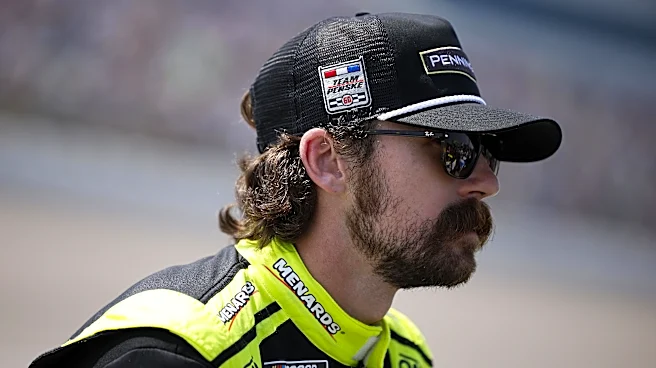
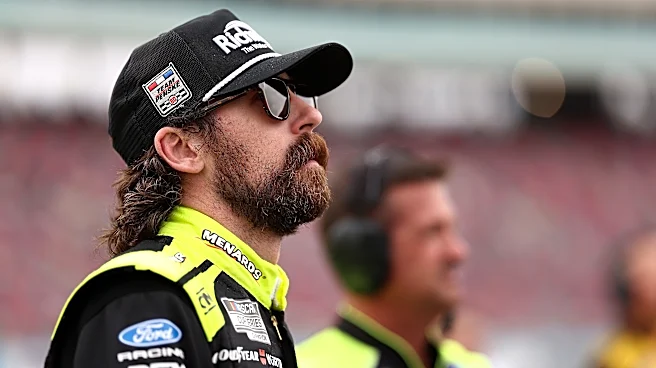
NASCAR Cup Series champion Ryan Blaney is reflecting on the significant talent present in grassroots racing that often goes unrecognized and unrewarded with opportunities at NASCAR's highest levels. Blaney, who secured his first championship in 2023 and accumulated
21 Cup victories by the end of the 2026 season, began his career in Quarter Midgets, Bandoleros, Legend cars, and Late Models. He competed against numerous drivers, some of whom became Cup Series rivals like Bubba Wallace and Chase Elliott, while others, despite their skill, remained in short-track racing due to a lack of opportunity or financial backing. Blaney's own journey highlights the critical role of both talent and opportunity in reaching the pinnacle of the sport. He acknowledges the mentorship he received from older competitors during his formative years in Late Model racing, emphasizing that many talented individuals never get their shot at national series racing.
Why It's Important?
Blaney's reflections underscore a significant aspect of the U.S. motorsports landscape: the vast pool of talent in grassroots racing that often goes untapped by national series like NASCAR. This situation impacts not only individual drivers who may never achieve their full potential but also the sport itself, potentially missing out on future stars. The financial barriers and the need for significant sponsorship to advance through the ranks mean that raw talent alone is often insufficient. This creates a system where access to resources can be as crucial as driving ability, potentially limiting diversity and broader representation within NASCAR. Recognizing these unsung heroes could lead to discussions about new development pathways or support systems to help promising drivers from less privileged backgrounds gain exposure and opportunities, ultimately enriching the competitive field of NASCAR.
What's Next?
While Blaney's comments are a personal reflection, they could spark broader conversations within the NASCAR community about talent identification and development programs. Increased attention to grassroots racing and the challenges faced by its competitors might encourage organizations, sponsors, and teams to invest more in scouting and supporting drivers who lack the financial means to progress. This could lead to new initiatives aimed at creating more equitable pathways to national series racing, potentially altering the career trajectories of many aspiring drivers. The ongoing success of drivers like Blaney, Wallace, and Elliott, who all emerged from similar grassroots backgrounds, serves as a powerful testament to the potential that exists at these lower levels of competition.
Beyond the Headlines
The issue raised by Blaney extends beyond sports, touching on themes of meritocracy, opportunity, and systemic barriers. In many competitive fields, talent alone is not enough; access, connections, and financial support often play a decisive role in who succeeds. Blaney's acknowledgment of the 'lost' talent in short-track racing highlights a broader societal challenge where potential is often constrained by circumstances rather than ability. This perspective encourages a deeper look into how various industries identify and nurture talent, and whether current systems adequately reward merit or inadvertently favor those with pre-existing advantages. It also raises ethical questions about the responsibility of established institutions to foster talent development across all socioeconomic strata.