


What's Happening?
As summer transitions to autumn, skincare routines are shifting towards richer textures and barrier repair to counteract the effects of sun exposure, heat, and dehydration. The change in seasons brings environmental stressors like cold outdoor air and dry
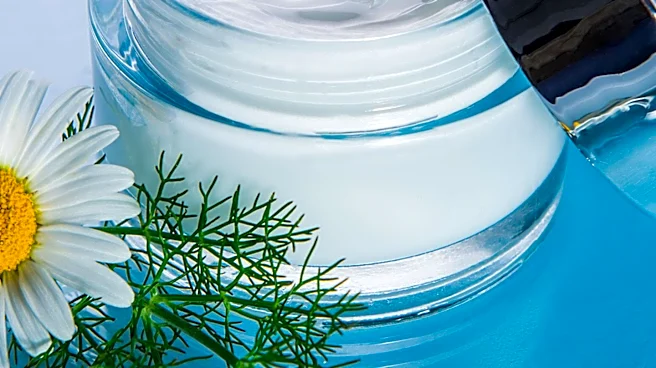
indoor heating, which deplete the skin's protective barrier, leading to tightness, peeling, and increased sensitivity. Experts recommend replacing lightweight gels with denser, more nourishing creams and switching from aggressive exfoliants to gentler cleansing methods. Key ingredients to look for in barrier repair creams include ceramides, hyaluronic acid, glycerin, and centella asiatica. These ingredients help to restore the skin's natural protective layer, providing hydration and soothing irritation. The focus is on supporting cellular repair rather than aggressive corrective regimens, which can further compromise an already irritated skin barrier. This seasonal adjustment also extends to hair and nail care, emphasizing deep hydration and nourishment to combat summer damage.
Why It's Important?
This shift in skincare strategy is crucial for maintaining skin health and resilience against environmental damage. The skin barrier, when compromised by summer elements like UV radiation, chlorine, and heat, becomes less effective at retaining moisture and protecting against irritants. Ignoring these signs can lead to accelerated skin aging, increased sensitivity, and a dull complexion. By prioritizing barrier repair and hydration, individuals can prevent long-term damage such as pronounced fine lines, uneven skin tone, and hyperpigmentation. The emphasis on gentle care and specific ingredients like ceramides and hyaluronic acid helps to rebuild the skin's natural defenses, making it more robust for the colder months ahead. This proactive approach ensures that skin remains healthy, hydrated, and less reactive to seasonal changes, ultimately contributing to overall skin well-being and appearance.
What's Next?
Consumers are advised to gradually integrate richer, more nourishing products into their daily routines. This includes using lipid-rich moisturizers, gentle cleansers, and restorative balms, especially on areas showing signs of intense peeling or inflammation. Maintaining daily broad-spectrum SPF 30 or 50 is also critical, as UV radiation remains a year-round threat. For hair, weekly intensive masks and color-correcting shampoos are recommended, while nails benefit from daily cuticle oil and nourishing creams containing urea. For persistent dermal issues like melasma or sun spots, professional in-clinic treatments such as chemical peels or laser therapies may be considered, but only after the skin has had time to recover from summer irritation. The overarching next step is a disciplined routine focused on cellular repair and continuous prevention to ensure lasting skin radiance throughout the autumn and winter.
Beyond the Headlines
The emphasis on barrier repair highlights a deeper understanding of skin physiology and the importance of maintaining its integrity. Rather than solely focusing on anti-aging or cosmetic enhancements, the current trend underscores a foundational approach to skin health. This shift reflects a growing consumer awareness that a healthy skin barrier is the cornerstone of effective skincare, influencing how skin responds to active ingredients and environmental stressors. It also points to a broader movement in the beauty industry towards more holistic and preventative care, moving away from aggressive treatments that can inadvertently harm the skin. This approach encourages consumers to listen to their skin's needs and adopt routines that support its natural functions, fostering long-term skin health rather than quick fixes. The integration of ingredients like ceramides and hyaluronic acid into mainstream products signifies a scientific validation of their role in maintaining skin barrier function.