







What's Happening?
Anthropic's S-1 filing, marking the formal start of its IPO process, includes a founders' letter outlining an idealistic vision for AI development, prioritizing safety, public benefit, and the protection of its mission through a public benefit corporation
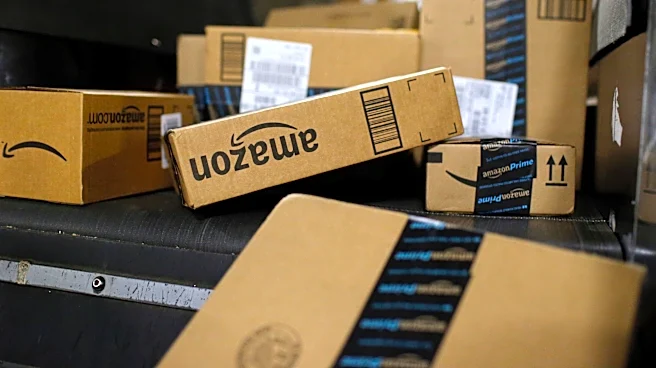
and a long-term benefit trust. This vision suggests that intelligence should become abundant and agents should turn it into labor, with safety preceding speed and profit. However, analysts like Rowan Curran of Forrester note that this idealism will inevitably confront the realities of the market, including intense competition, regulatory pressures, and the high cost of compute resources. Anthropic's reliance on renting data centers from competitors like Amazon and Google, who also offer competing model platforms, is identified as a key risk. The company's closed-source approach to its models, training data, and methods also contrasts with the open-source community's push for transparency, requiring enterprises to trust Anthropic's safety claims on faith.
Why It's Important?
The tension between Anthropic's idealistic mission and the practical demands of the market is crucial for understanding its future trajectory and the broader AI industry. While its commitment to safety and ethical AI is a differentiator, the economic realities of massive compute costs and fierce competition could challenge these ideals. The company's founder control, designed to protect its mission from shareholders, may not insulate it from economic pressures or regulatory mandates. This dynamic highlights a significant challenge for AI companies aiming to balance rapid innovation and profitability with responsible development. For enterprises, Anthropic's closed-source nature means relying on vendor claims for safety, which could be a point of contention compared to the transparency offered by open-source alternatives. This situation underscores the need for a dual-vendor frontier strategy for businesses to mitigate risks and leverage diverse AI platforms.
What's Next?
Anthropic will need to navigate the complexities of the public market while striving to uphold its founding ideals. The IPO process will force the company to become more transparent about its financials and operational strategies. It will face ongoing pressure to demonstrate how its safety claims are verifiable and how its governance structure can withstand market pressures without compromising its mission. Regulators may also play a role, potentially compelling Anthropic to comply with laws that override its internal policies. The company's ability to maintain its competitive edge against both established tech giants and the rapidly evolving open-source community will be critical. Enterprises will continue to evaluate Anthropic's offerings against those of its rivals, with transparency and verifiable safety becoming increasingly important factors in their adoption decisions.
Beyond the Headlines
Anthropic's struggle to reconcile its idealistic mission with market realities reflects a fundamental philosophical debate within the AI community: how to develop powerful AI systems responsibly while operating within a capitalist framework. The company's attempt to enshrine its mission through a public benefit corporation and a long-term benefit trust is an innovative approach to corporate governance, aiming to prioritize societal good alongside profit. However, the challenges it faces highlight the inherent difficulties in achieving this balance. The potential for economic pressures to erode ideals, the power of rivals who own critical infrastructure, and the overriding authority of government regulations all demonstrate that even the most well-intentioned AI companies operate within a complex ecosystem. This situation could lead to a re-evaluation of corporate structures and regulatory frameworks to better align AI development with long-term societal benefits, rather than solely short-term financial gains.