



What's Happening?
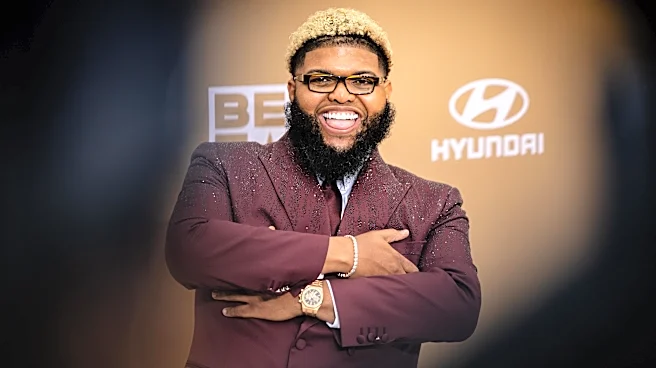
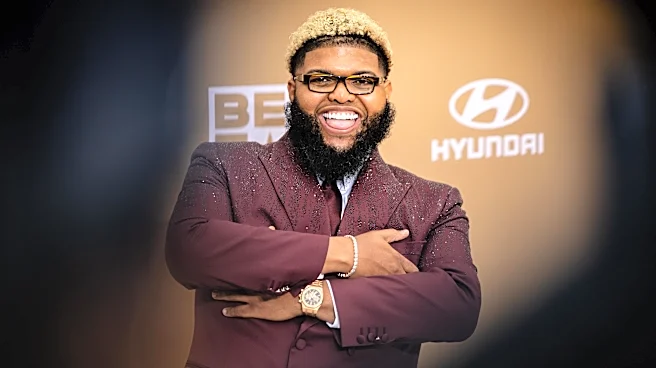
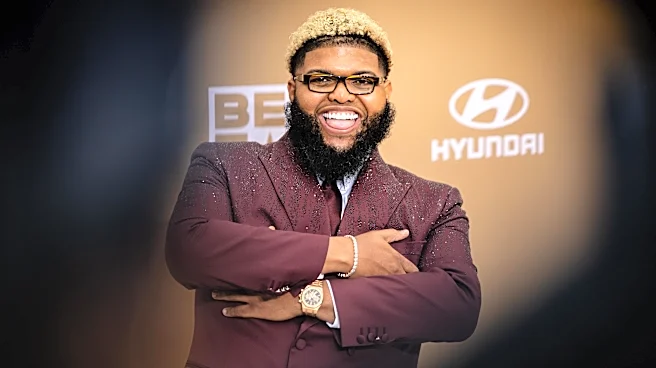
Drew Desbordes, known as Druski, made his debut as the first digital content creator to host NBC's 'Saturday Night Live' (SNL) on November 7. The episode garnered over 5.6 million viewers, marking the highest viewership for the sketch comedy series in two
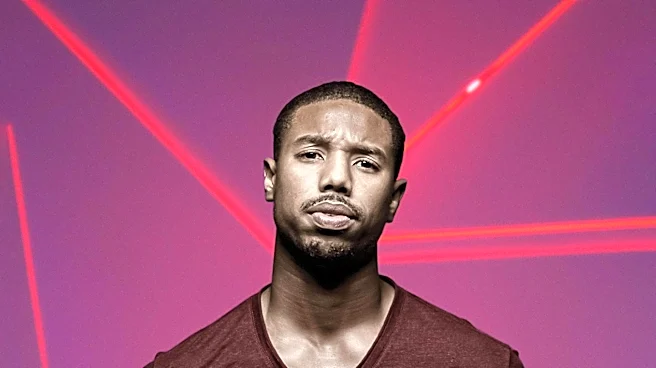
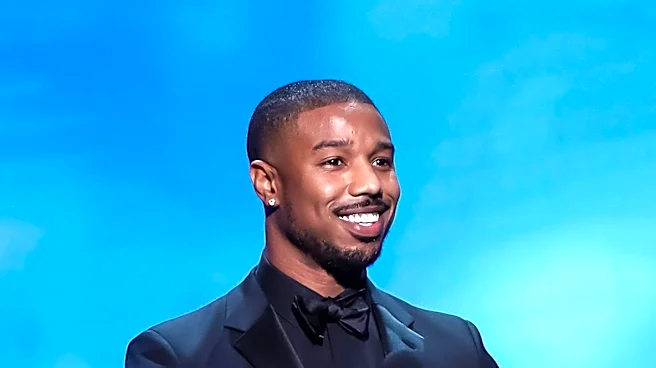
years. This figure surpassed the previous Season 52 record set by the Halloween episode, which drew 5.2 million viewers. Druski's episode also achieved the best rating among adults aged 18-49 since November 2, 2024, and the best rating among adults 18-34 in over four years. The broadcast featured a lineup of supporters including Dave Chappelle, Chris Rock, Emma Stone, Michael B. Jordan, Austin Butler, Walton Goggins, and newly elected Texas Senator James Talarico, who appeared on stage during the show's closing segment. Druski is also set to debut his first semi-scripted comedy series on Netflix in December, following a multi-year deal with the streaming giant.
Why It's Important?
Druski's successful SNL debut signifies a notable shift in mainstream entertainment, highlighting the increasing influence and crossover appeal of digital content creators. His record-breaking viewership demonstrates that personalities who originate from social media platforms can attract substantial traditional television audiences, challenging conventional pathways to stardom. This event could encourage more collaborations between established media outlets like NBC and digital stars, potentially reshaping how talent is discovered and promoted in the entertainment industry. For SNL, the high ratings provide a significant boost, indicating that tapping into new forms of celebrity can revitalize viewership and attract younger demographics. The involvement of prominent figures like Dave Chappelle and Chris Rock also suggests an endorsement of Druski's comedic talent from established entertainers, further solidifying his position in the broader entertainment landscape. This trend could lead to new content formats and a blending of digital and traditional media, impacting advertising strategies and audience engagement.
What's Next?
Following his successful SNL hosting gig, Druski is scheduled to debut his first semi-scripted comedy series on Netflix in December, a project stemming from a multi-year deal with the streaming platform. The high viewership of his SNL episode is likely to generate increased anticipation and attention for his upcoming Netflix series, potentially translating into a strong launch for the show. This success could also pave the way for more digital content creators to host or participate in mainstream television programs, as networks seek to replicate SNL's ratings achievement. For SNL, the positive reception may influence future casting decisions, encouraging them to feature more social media personalities. The broader entertainment industry will likely observe the performance of Druski's Netflix series to gauge the long-term viability and audience appeal of digital-first talent in traditional media formats. This could lead to further investment in and development of content featuring creators from platforms like TikTok and Instagram.
Beyond the Headlines
Druski's achievement on 'Saturday Night Live' reflects a broader cultural shift where the lines between digital and traditional media are increasingly blurred. His success underscores the power of direct-to-consumer content creation and the ability of social media platforms to cultivate massive, engaged fan bases that can translate into mainstream appeal. This phenomenon raises questions about the future of talent scouting and development in Hollywood, potentially decentralizing the traditional gatekeepers of entertainment. The integration of digital stars into established formats like SNL also highlights evolving audience consumption habits, particularly among younger demographics who are accustomed to consuming content from diverse online sources. This trend could lead to a re-evaluation of what constitutes 'celebrity' and how cultural influence is measured, moving beyond conventional metrics to include digital engagement and reach. Furthermore, it may prompt discussions about the authenticity and relatability of digital creators compared to more polished, traditional celebrities, influencing content creation and marketing strategies across the industry.