


What's Happening?
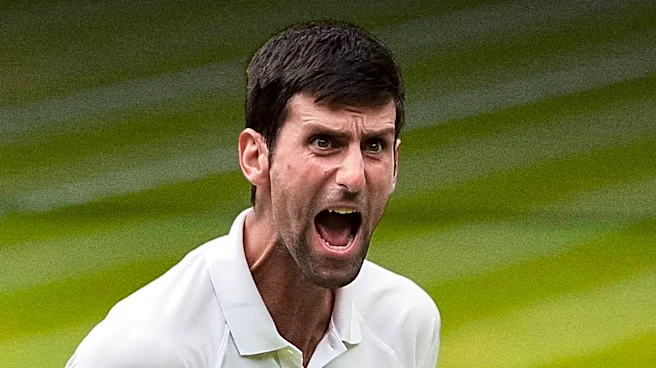
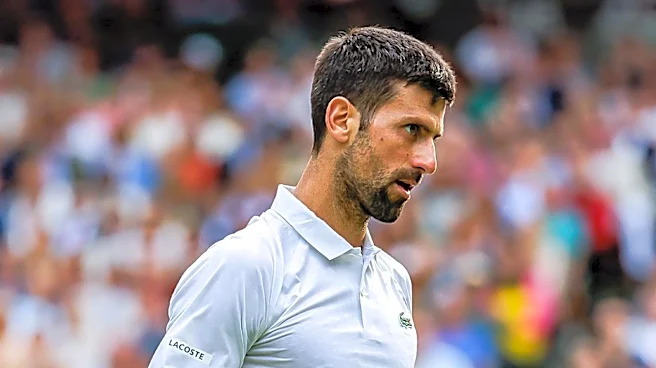
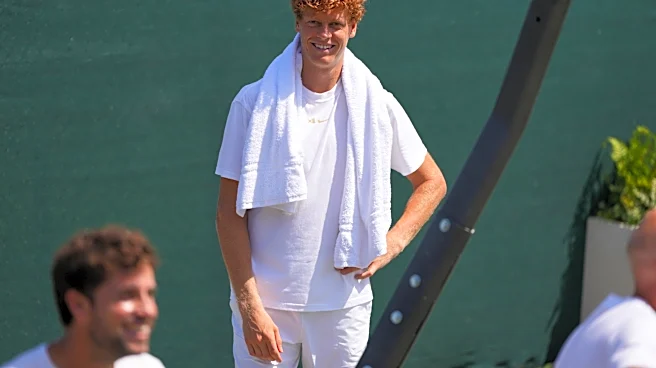
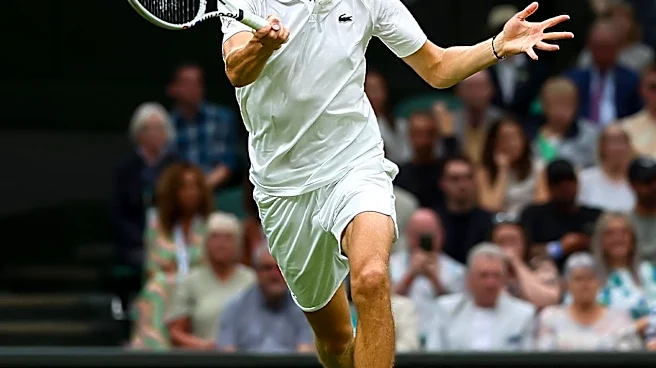
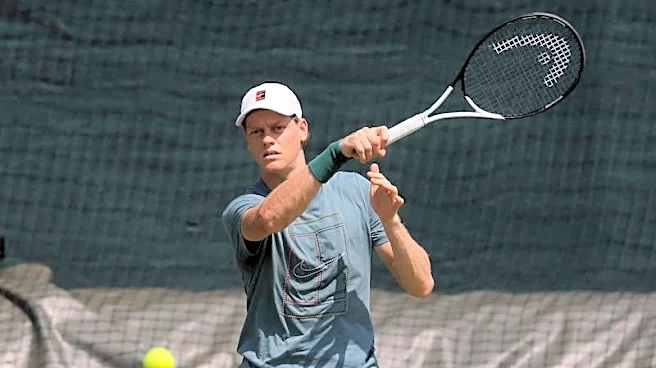
As Wimbledon approaches, top tennis players, including Jannik Sinner, are advocating for a larger share of the tournament's revenue to be allocated to prize money. Despite Wimbledon increasing its prize pool by 20% from the previous year, players argue
that the distribution remains insufficient. Sinner, a leading figure in this movement, has been vocal about the need for change but has not taken significant action, such as threatening a boycott. The players' demands include a gradual increase in prize money allocation to 22% of total revenue by 2030.
Why It's Important?
The push for higher prize money reflects broader issues of financial equity in professional sports. While top players earn substantial sums, those ranked lower often struggle financially, making prize money a critical source of income. The players' demands highlight the growing tension between athletes and tournament organizers over revenue distribution. This situation underscores the challenges of organizing collective action in individual sports, where personal goals often take precedence over collective bargaining.
What's Next?
The players' limited protest, which includes reducing media obligations, may continue as a strategy to pressure tournament organizers. However, without more drastic actions, such as boycotts, it remains uncertain whether significant changes will occur. The outcome of these efforts could influence future negotiations and set precedents for other sports. Stakeholders, including broadcasters and sponsors, may also play a role in shaping the resolution of this issue.