



What's Happening?
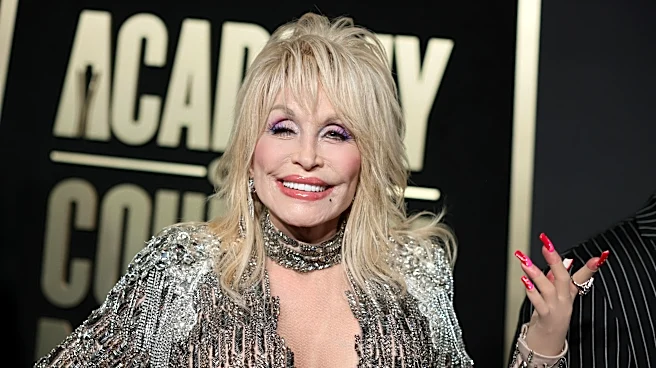
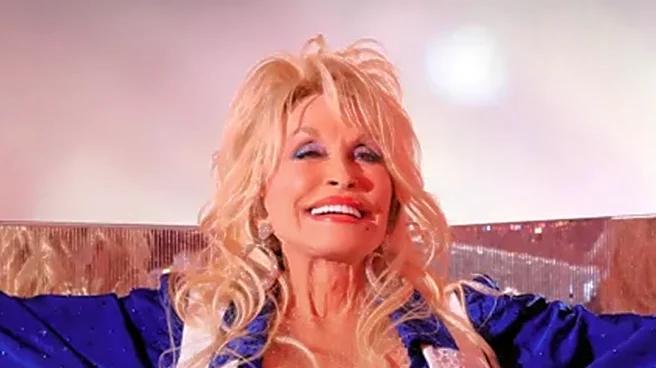
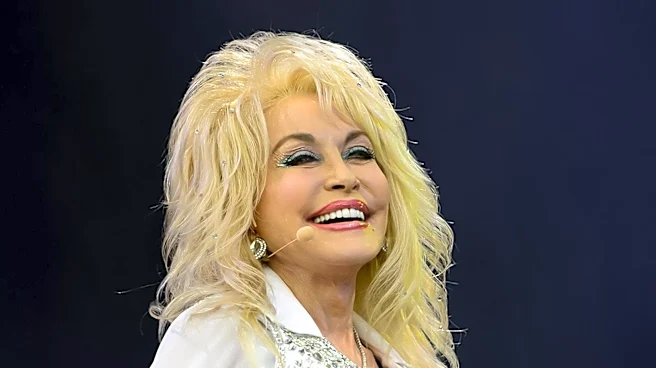
Stella Parton, sister of the late music legend Dolly Parton, has revealed that the Grammy winner withdrew from her family during the final months of her cancer battle. According to Stella, Dolly became "more frail" and did not want her family to see her in that condition.
Stella shared this information in an interview with Entertainment Weekly, published on Tuesday. She explained that Dolly's decision was an act of sparing her loved ones the pain of watching her decline. Stella also mentioned that many family members were unaware of Dolly's cancer diagnosis, as Dolly preferred not to worry them or her fans. Dolly Parton passed away in August at the age of 80, never publicly disclosing the type of cancer she was battling.
Why It's Important?
This revelation sheds light on the private struggles of public figures and the personal choices they make regarding their health and family during difficult times. For fans and the public, it offers a deeper understanding of Dolly Parton's character, highlighting her desire to protect her loved ones from distress, even in her final days. It also underscores the emotional toll that serious illness can take on both the individual and their family, and the complex dynamics of privacy versus public expectation for celebrities. The story resonates with many who have experienced similar situations with ailing family members, emphasizing the universal human desire to maintain dignity and spare loved ones from suffering. The fact that many family members were unaware of her cancer battle also speaks to the intensely personal nature of such health challenges and the varying ways individuals choose to cope.
What's Next?
The revelation by Stella Parton is likely to further shape the public's perception of Dolly Parton, adding another layer to her legacy as a compassionate and private individual. While there are no direct "next steps" in terms of policy or public action, the story may contribute to broader conversations about end-of-life care, family communication during illness, and the pressures faced by public figures. It could also encourage greater empathy and understanding for individuals who choose to keep their health battles private. The ongoing public interest in Dolly Parton's life and legacy will likely continue, with her sister's insights providing a more intimate glimpse into her final months.
Beyond the Headlines
Dolly Parton's decision to withdraw from her family during her illness touches upon profound ethical and psychological dimensions. Her choice to shield her loved ones from her deteriorating health reflects a deep sense of care and a desire to preserve their memories of her as vibrant and strong. This act of self-sacrifice, while emotionally challenging for her family, highlights the complex nature of love and protection in the face of mortality. Culturally, it challenges the expectation that public figures must share every aspect of their lives, reinforcing the right to privacy even in death. Psychologically, it speaks to the coping mechanisms individuals employ when facing terminal illness, often prioritizing the emotional well-being of others. This narrative offers a poignant reflection on how individuals navigate their final journey, balancing personal dignity with familial bonds.