




What's Happening?
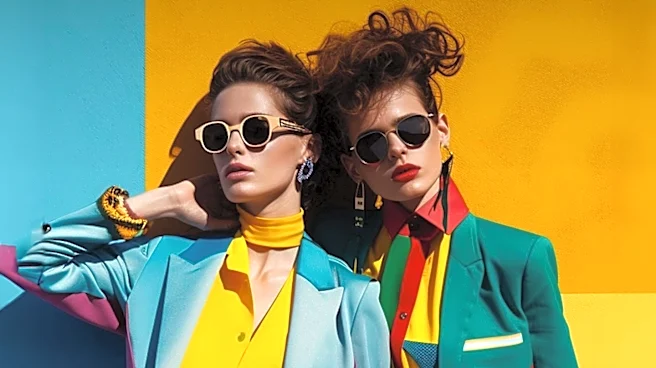
Gen Z men are increasingly adopting items traditionally found in women's clothing sections, such as pleated miniskirts, thigh-high socks, and oversized hoodies, to create a distinct menswear aesthetic. This trend, often referred to as 'soft menswear,'
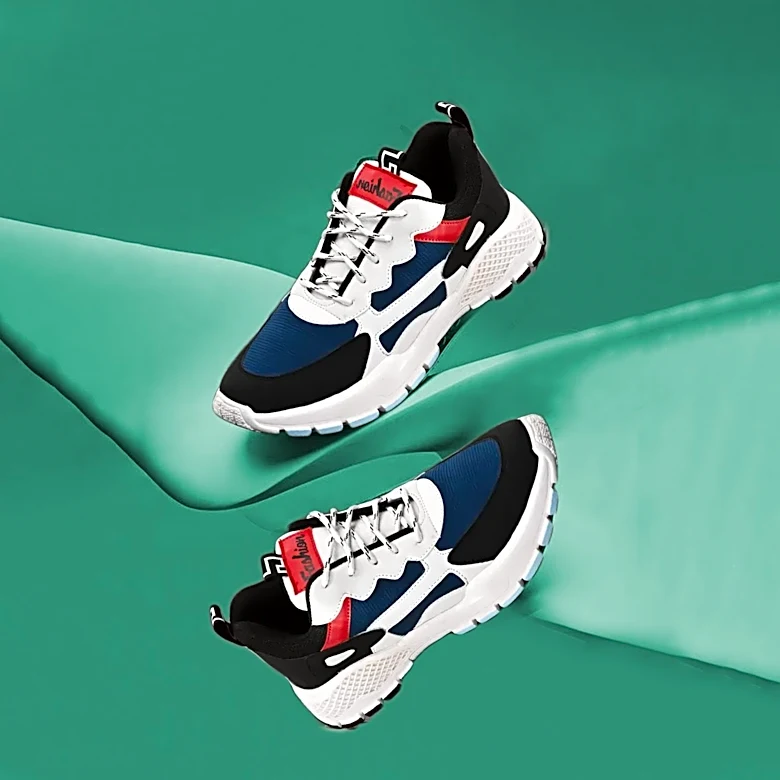
has emerged organically through online communities on platforms like TikTok, Discord, and Reddit, rather than being dictated by high fashion designers. The core components of this look include tennis or school-uniform style miniskirts, often in black, plaid, or pastel, paired with thigh-high socks and oversized sweatshirts. Sneakers are preferred over heels to maintain a casual, masculine finish. This movement is characterized by young men purchasing affordable women's clothing and developing their own styling rules, such as balancing one oversized element with fitted pieces, and understanding the importance of the 'gap' between sock and skirt hem.
Why It's Important?
This phenomenon signifies a significant cultural shift in gender expression and fashion norms within the U.S. and beyond. It challenges traditional notions of masculinity and femininity in clothing, promoting a more fluid and inclusive approach to personal style. For the fashion industry, this trend highlights a disconnect between runway concepts and grassroots consumer behavior. While designers have previously showcased men in skirts, this Gen Z movement demonstrates a widespread, accessible adoption of such styles. This could lead to increased demand for gender-neutral clothing lines or for women's clothing brands to consider how their products can cater to a broader male demographic. It also underscores the power of online communities in shaping fashion trends, bypassing traditional industry gatekeepers and creating new market opportunities for brands that can adapt to these evolving consumer preferences.
What's Next?
The continued growth of this 'soft menswear' trend will likely prompt fashion retailers and brands to re-evaluate their sizing and marketing strategies. There's an emerging need for size charts that accommodate male proportions for items traditionally sold in women's sections, as current sizing often presents a barrier to entry. Specialist online stores are already beginning to address this by publishing men-specific size guides. We can anticipate more mainstream brands exploring gender-fluid collections or designing specific items, like skirts, with male body types in mind. The influence of social media will continue to be crucial in disseminating and refining these styles. This trend may also spark further conversations about gender identity and expression in broader society, potentially leading to greater acceptance and normalization of diverse fashion choices for men.
Beyond the Headlines
The rise of 'soft menswear' extends beyond mere fashion, touching upon deeper sociological and psychological implications. It represents a generation's desire to break free from rigid gender stereotypes and express individuality without constraint. This movement can foster greater self-acceptance and reduce the stigma associated with non-traditional gender presentation. Ethically, it raises questions about the fashion industry's responsibility to be more inclusive and responsive to diverse consumer needs, rather than solely dictating trends from the top down. Culturally, it reflects a broader societal shift towards fluidity and acceptance, where personal identity is increasingly seen as multifaceted and self-defined. This trend is a powerful indicator of how younger generations are actively reshaping cultural norms and expectations through their everyday choices, including what they wear.