






What's Happening?
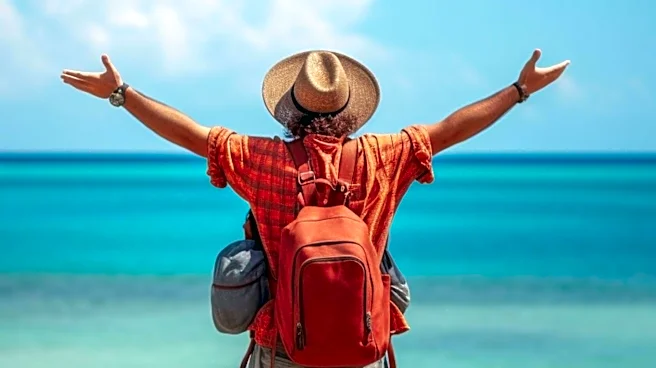
Solo travel is gaining recognition for its benefits, including independence and flexibility, allowing individuals to tailor their schedules and pursue personal interests. Recommended destinations vary based on desired travel styles. For structured city
experiences and manageable planning, Japan, Portugal, Spain, Switzerland, and the Netherlands are highlighted. Travelers seeking budget-friendly options and social interactions might consider Thailand or Mexico. For those interested in nature and adventure, Costa Rica, New Zealand, and Australia offer opportunities for hiking, wildlife viewing, and outdoor activities. The key to a successful solo trip lies in matching the destination to one's budget, available time, interests, preferred transportation, and desired level of social engagement. Staying connected with mobile data, potentially through international eSIMs, is advised for navigation, communication, and emergencies. Meeting new people can be facilitated by staying in social accommodations, joining walking tours, attending cooking classes, or participating in small-group activities, ensuring solo travel doesn't equate to isolation.
Why It's Important?
The growing trend of solo travel reflects a shift in personal leisure and tourism, emphasizing individual autonomy and personalized experiences. This trend impacts the travel industry by creating demand for flexible itineraries, solo-friendly accommodations, and activities designed for individual participation. For individuals, solo travel can foster self-reliance, personal growth, and a deeper connection with destinations, free from the compromises often associated with group travel. The economic implications include increased spending on personalized tours, specialized travel insurance, and technology solutions like eSIMs that cater to independent travelers. Businesses in the hospitality and tourism sectors that adapt to this demand by offering tailored packages and services for solo travelers stand to gain. Conversely, destinations or services that primarily cater to groups or families might need to re-evaluate their offerings to attract this expanding demographic. The emphasis on safety and connectivity also highlights the importance of robust infrastructure and support services for travelers venturing out alone.
What's Next?
As solo travel continues to grow, the travel industry is likely to further innovate in catering to this demographic. We can expect to see more specialized tour operators offering solo-friendly itineraries, and accommodations, particularly hostels and boutique hotels, enhancing their communal spaces and activity offerings to facilitate social interaction among solo travelers. Technology will play an even larger role, with advancements in travel apps for navigation, translation, and safety features becoming more sophisticated. Destinations may also begin to market themselves more explicitly to solo travelers, highlighting their safety, ease of transportation, and abundance of individual activities. Furthermore, there could be an increase in content and resources dedicated to solo travel planning, including detailed guides on budget management, cultural immersion, and strategies for meeting people abroad. The focus will remain on empowering individuals to explore the world on their own terms, with an emphasis on both independence and opportunities for connection.
Beyond the Headlines
Beyond the immediate practicalities, the rise of solo travel signifies a broader cultural shift towards valuing personal experiences and self-discovery. In an increasingly interconnected yet often isolating world, solo travel offers a unique opportunity for introspection and self-reliance, challenging individuals to step outside their comfort zones and navigate new environments independently. This can lead to enhanced problem-solving skills, increased confidence, and a more profound understanding of different cultures and one's own capabilities. Ethically, the promotion of solo travel also raises questions about responsible tourism, encouraging travelers to engage respectfully with local communities and minimize their environmental footprint. The psychological benefits, such as reduced stress and increased mindfulness from dedicated 'me-time,' are also significant, particularly for individuals in demanding roles or those seeking a break from routine responsibilities. This trend underscores a societal appreciation for personal well-being and the pursuit of individual passions, moving beyond traditional notions of travel as solely a group or family activity.