
What's Happening?
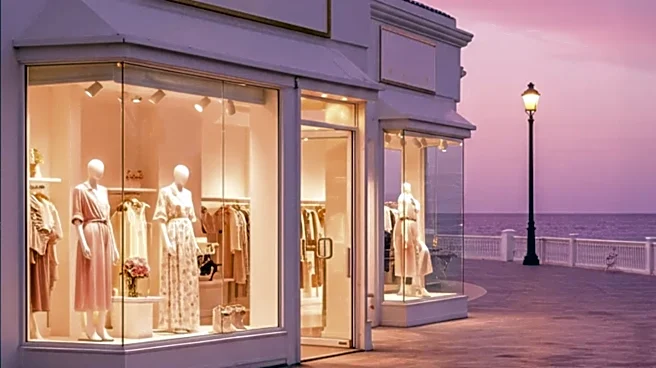
Fashion designer Reese Cooper has publicly accused SSENSE, a Montreal-based luxury retailer, of utilizing AI-generated product imagery that inaccurately depicts his designs. Cooper voiced his concerns
through a series of Instagram Story posts on Tuesday, November 17, highlighting rendering errors visible across several product images on SSENSE's website. He expressed significant disappointment, stating that seeing his creations photographed by SSENSE used to be an 'incredible feeling,' but the current situation is 'insanely disappointing.' This accusation points to a growing concern within the fashion industry regarding the authenticity and accuracy of product representation, especially with the increasing adoption of artificial intelligence in e-commerce visuals. The designer's direct call-out of one of his stockists underscores the seriousness of the alleged misrepresentation and its potential impact on brand integrity and consumer perception.
Why It's Important?
This incident is significant as it brings to light the potential pitfalls of using AI-generated imagery in the high-stakes luxury fashion market. For designers like Reese Cooper, the visual representation of their work is crucial to their brand identity and artistic integrity. Misrepresented designs, even if unintentional due to AI rendering errors, can dilute a brand's image, confuse consumers, and potentially lead to a loss of trust. For retailers like SSENSE, such accusations can damage their reputation for curating and presenting luxury goods accurately. The broader implication for the U.S. fashion industry is a heightened awareness of the need for rigorous quality control when integrating AI into visual merchandising. It also raises questions about the ethical responsibilities of retailers to ensure that digital representations of products are faithful to the physical items, especially when dealing with designer goods where authenticity and detail are paramount. This event could prompt other designers and retailers to re-evaluate their use of AI in product imaging.
What's Next?
Following Reese Cooper's public accusation, SSENSE will likely face pressure to address the designer's claims and potentially review its practices regarding AI-generated imagery. The immediate next steps could involve SSENSE issuing a public statement, removing or correcting the disputed images, and engaging in direct communication with Reese Cooper to resolve the issue. Other designers and brands might also scrutinize their own agreements with retailers concerning product imagery and the use of AI. This incident could also spark broader discussions within the fashion and e-commerce sectors about best practices for AI integration, the need for transparency with consumers about image generation methods, and the establishment of industry standards to prevent misrepresentation. Retailers might invest more in human oversight for AI-generated content or opt for traditional photography to maintain authenticity, especially for high-value or artistic products.
Beyond the Headlines
This controversy extends beyond a simple dispute over product images; it touches upon deeper ethical and technological implications within the retail landscape. The alleged use of AI-generated images by SSENSE, if confirmed, highlights the tension between efficiency and authenticity in digital commerce. While AI offers cost savings and speed in content creation, this case suggests it can come at the expense of accuracy and artistic fidelity, particularly in sectors where visual detail and brand essence are critical. It also raises questions about intellectual property rights in the age of AI, as designers' creations could be inadvertently altered or misrepresented by automated systems. Culturally, it reflects a growing skepticism among consumers and creators about the authenticity of digital content, pushing for greater transparency from brands. This event could serve as a cautionary tale, encouraging a more balanced approach to technological adoption that prioritizes integrity and trust over pure automation.