






What's Happening?
Equinor, a Norwegian energy giant, has acquired a 17.4% interest in Exploration Licence 90 from Chevron’s Harmattan Energy, which operates the license in Namibia. This deal introduces another major international producer to Namibia's growing list of oil
explorers, highlighting the significant global interest in the southern African nation's offshore resources. Namibia's Orange Basin has attracted some of the world's largest energy companies, including TotalEnergies, Shell, QatarEnergy, BP, and Eni, following a series of discoveries and exploration successes in the wider region. Chevron is preparing for new drilling activities within Licence 90 later this year, despite its first well in Namibia failing to find hydrocarbons. Shell is also planning another drilling campaign with QatarEnergy and Namibia’s state-owned oil company Namcor, even after writing off approximately $400 million spent on previous wells in the country.
Why It's Important?
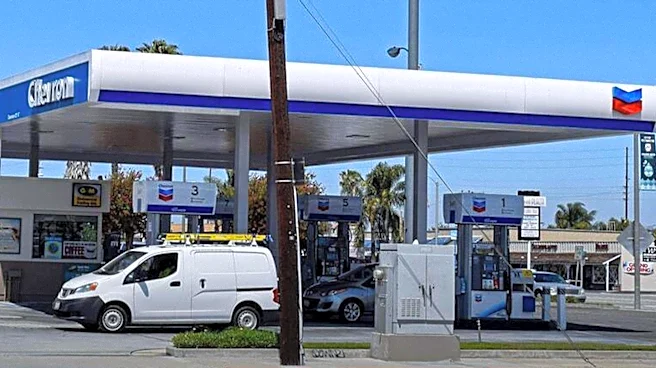
This development is important for the U.S. energy sector, particularly for Chevron, as it signifies continued investment in global oil exploration despite previous setbacks. The involvement of multiple international energy giants in Namibia's Orange Basin underscores the industry's long-term commitment to securing new oil reserves, which can impact global supply and pricing. For U.S. consumers and industries, a diversified global oil supply can contribute to energy security and potentially stabilize fuel costs. The increased exploration activities in Namibia could lead to the country becoming a significant oil-producing nation, which would shift geopolitical energy dynamics and create new opportunities or challenges for U.S. foreign policy and energy trade. The substantial investments by companies like Chevron and Shell reflect a strategic move to expand their portfolios and production capabilities outside traditional markets.
What's Next?
Chevron plans to proceed with drilling another well within Licence 90 later this year, which will be a critical step in determining the commercial viability of its operations in the Orange Basin. The results of this drilling campaign, along with those from Shell's upcoming efforts, will significantly influence future investment decisions by these and other international energy companies in Namibia. If successful, these explorations could lead to further development decisions and potentially commercial oil production in Namibia, which would require substantial infrastructure investment and could take several years to materialize. The Namibian government will likely continue to attract foreign investment in its energy sector, potentially leading to new partnerships and regulatory frameworks to manage the anticipated growth in oil exploration and production.
Beyond the Headlines
The intensified interest in Namibia's Orange Basin highlights a broader trend in the global energy industry: the pursuit of new frontier oil and gas resources even as the world transitions towards renewable energy. This dual approach reflects the ongoing demand for hydrocarbons while also acknowledging long-term climate goals. The ethical and environmental implications of expanding oil exploration in new regions like Namibia will likely draw increased scrutiny from environmental organizations and international bodies. Furthermore, the economic benefits for Namibia, a developing nation, could be substantial, but careful management of resource wealth will be crucial to avoid the 'resource curse' and ensure sustainable development. The involvement of major U.S. companies like Chevron in these ventures also raises questions about the U.S.'s role in global energy security and its commitment to balancing economic interests with environmental responsibilities.