
What's Happening?
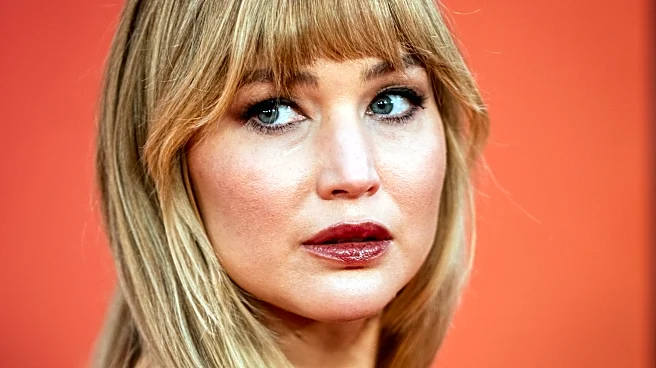
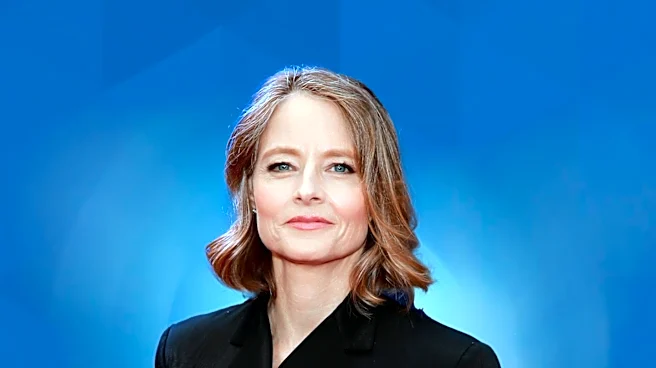
Jodie Foster is returning to Disney to voice Queen Celeste, a villainess in the studio's new animated film, 'Hexed,' set for release on November 26. This marks Foster's homecoming to Disney, nearly fifty years after her initial work as a child actor in films
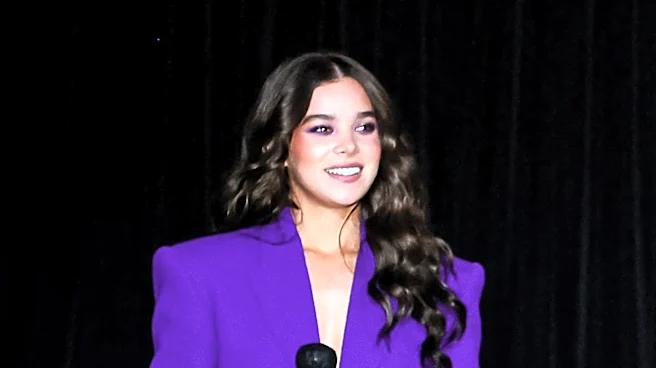
like 'Freaky Friday.' 'Hexed' is described as a family-friendly yet dark and compelling departure for Disney, featuring complex themes and a fast pace, presented with gorgeously drawn animation. Foster characterizes the story as a psychological thriller disguised as a modern twist on 'The Sorcerer’s Apprentice,' humorously calling it 'Bergman goes Disney.' The film follows Billie Doe (Hailee Steinfeld), an awkward teenager who discovers magical abilities and is drawn into Hexe, a parallel world of witches, where she and her mother, Alice (Rashida Jones), encounter Queen Celeste. The movie aims to redefine the concept of a witch, portraying women's power as an asset rather than a threat, though Foster's character remains the antagonist.
Why It's Important?
Jodie Foster's involvement in 'Hexed' signifies a notable shift in Disney's animated film strategy, potentially indicating a move towards more complex and psychologically nuanced narratives within its family-friendly offerings. Her description of the film as 'Bergman goes Disney' suggests an ambition to explore deeper themes, which could broaden Disney's appeal to older audiences while still engaging its traditional demographic. This approach might challenge the conventional portrayal of Disney villains, moving beyond pure evil to characters with more intricate motivations and 'baggage,' as Foster notes. The film's reinterpretation of the 'witch' archetype, presenting women's power as an asset, aligns with contemporary cultural discussions around female empowerment and could resonate strongly with modern audiences, influencing how future animated stories address gender roles and power dynamics. This could set a new precedent for storytelling in mainstream animation, encouraging more sophisticated character development and thematic exploration.
What's Next?
The release of 'Hexed' on November 26 will reveal how audiences and critics respond to Disney's darker, more complex animated narrative. The film's success could influence future production decisions at Disney, potentially leading to more animated features that delve into psychological depth and nuanced character portrayals. If 'Hexed' performs well, it might encourage other major animation studios to explore similar thematic complexities, pushing the boundaries of what is typically expected from family-friendly cinema. The film's reception will also be a test of Jodie Foster's continued appeal in voice acting roles, particularly as a villainess, and could open doors for her in similar projects. Furthermore, the movie's message about reclaiming the word 'witch' and celebrating women's power could spark broader cultural conversations and influence how these themes are depicted in popular media moving forward.
Beyond the Headlines
The film's exploration of a 'witch' as a figure of female power, rather than solely evil, reflects a significant cultural re-evaluation of historical archetypes. This shift challenges centuries-old narratives that often demonized powerful women, aligning with a broader societal movement to reclaim and redefine terms that have historically been used to disempower women. By presenting a villainess like Queen Celeste with 'layers' and internal struggles, Disney is subtly engaging with the ethical implications of power and self-perception, even within a fantastical setting. This nuanced portrayal could encourage younger audiences to think critically about character motivations and the complexities of good versus evil, moving beyond simplistic black-and-white morality. The film's success could contribute to a long-term cultural shift in how female characters, particularly those in positions of power, are depicted in children's media, fostering a more inclusive and empowering narrative landscape.