

What's Happening?
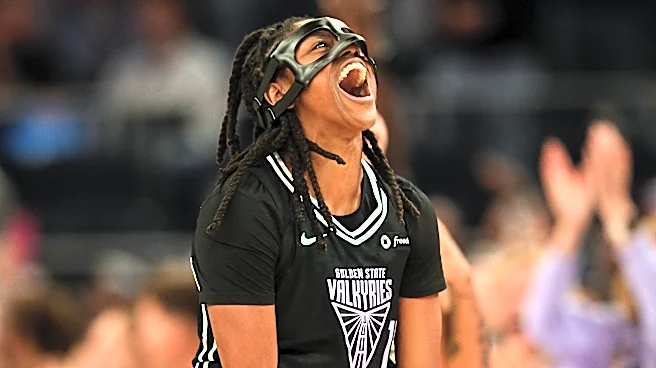
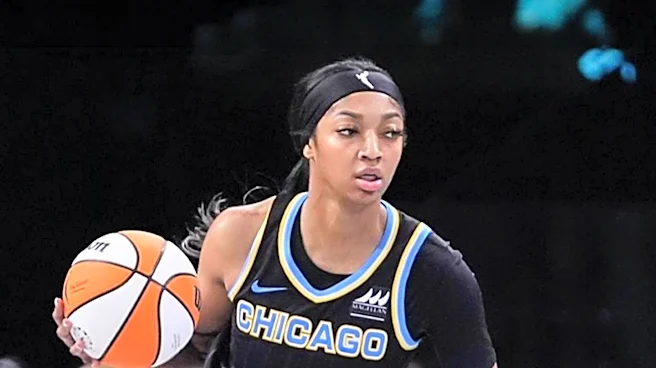
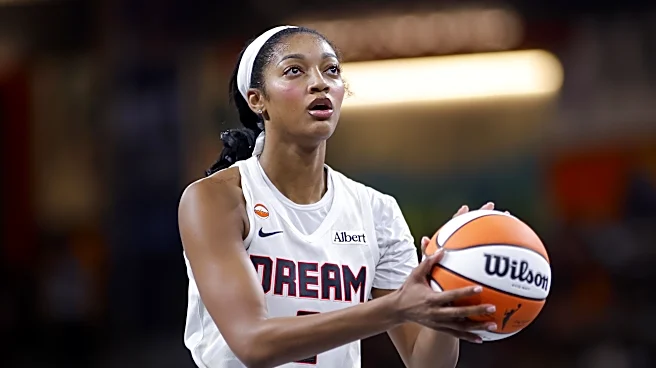
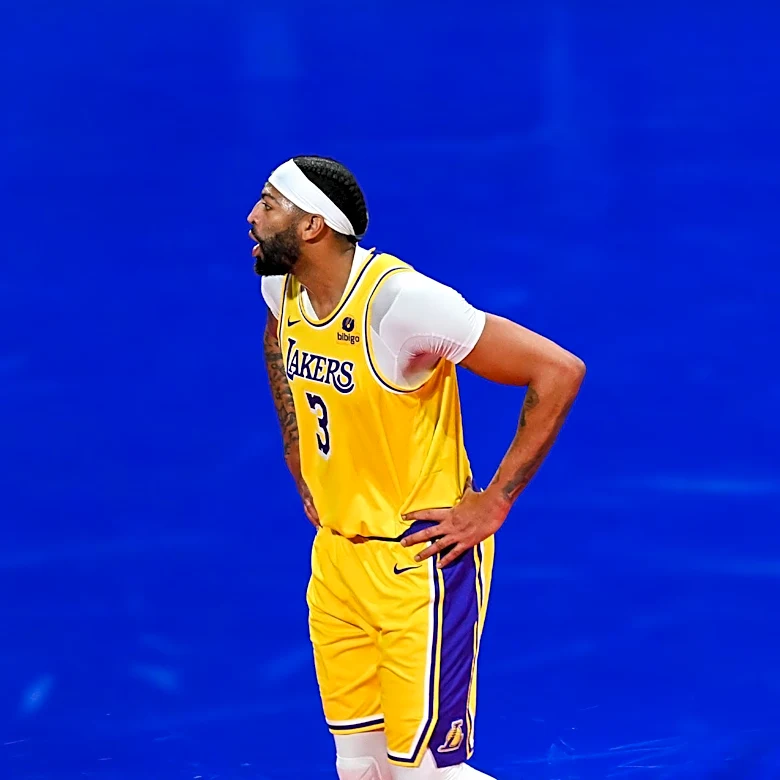
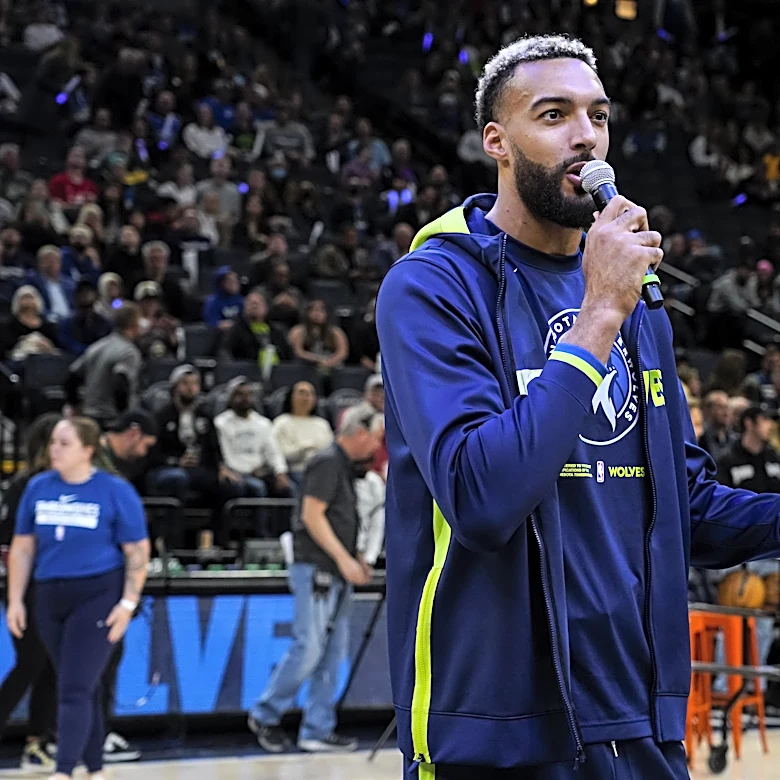
Angel Reese, a key player for the Atlanta Dream, is being advised to shift her offensive focus to dominating the paint, similar to how Victor Wembanyama has adjusted his game. The Atlanta Dream recently lost in a seven-game WNBA Finals series to the Golden
State Valkyries, despite Reese's strong performance throughout the season, which included winning Defensive Player of the Year. The team swept the Washington Mystics and New York Liberty in earlier rounds and even held a 2-1 lead in the Finals before ultimately falling short. Analysts suggest that Reese's tendency to take too many three-pointers, as seen in Games 6 and 7 of the Finals, hindered the team's overall effectiveness. Her presence on the perimeter can lead to turnovers, poor rebounding position, and reduced space for teammates. The recommendation is for Reese to concentrate on attacking the rim and operating more from inside the paint to maximize her impact and the team's potential.
Why It's Important?
This strategic advice for Angel Reese highlights a critical aspect of player development and team dynamics in professional basketball. For the Atlanta Dream, Reese's ability to adapt her game could be the deciding factor in their future championship aspirations. By focusing on paint dominance, Reese can become a more consistent and unstoppable force, which would elevate the entire team's performance. This shift would not only improve her individual efficiency by reducing turnovers and increasing scoring opportunities closer to the basket but also create more space and better opportunities for her teammates. The success of a star player like Reese directly influences the team's competitiveness, fan engagement, and potential for WNBA titles, impacting the franchise's overall value and standing within the league. Her development could set a precedent for how young, dominant bigs are coached and utilized in the WNBA.
What's Next?
Following the WNBA Finals loss, Angel Reese is in her offseason, which provides an opportunity for her to implement the suggested changes to her game. This period will likely involve intensive training focused on her post-game, attacking the basket, and refining her offensive presence in the paint. Her coaching staff and personal trainers will play a crucial role in guiding this transition. Fans and analysts will closely watch her performance in the upcoming season to see if she adopts this new approach and how it impacts the Atlanta Dream's success. The team's management may also look to build a roster that complements a paint-dominant Reese, potentially acquiring shooters or playmakers who can benefit from the space she creates inside. Her continued growth and adaptation will be a major storyline leading into the next WNBA season.
Beyond the Headlines
The discussion around Angel Reese's playing style extends beyond individual performance, touching on broader strategic trends in basketball. The emphasis on paint dominance for big players like Reese and Victor Wembanyama reflects a potential re-evaluation of offensive strategies that may have become overly reliant on perimeter shooting. While the three-point shot remains crucial, the ability of a dominant post player to control the paint on both ends of the floor can unlock different offensive flows and defensive strengths. This strategic shift could influence how teams scout and develop young talent, prioritizing fundamental interior skills alongside modern perimeter capabilities. For the WNBA, a more dominant Angel Reese could further elevate the league's competitive landscape and star power, drawing more attention and potentially influencing future tactical approaches across the league.