





What's Happening?
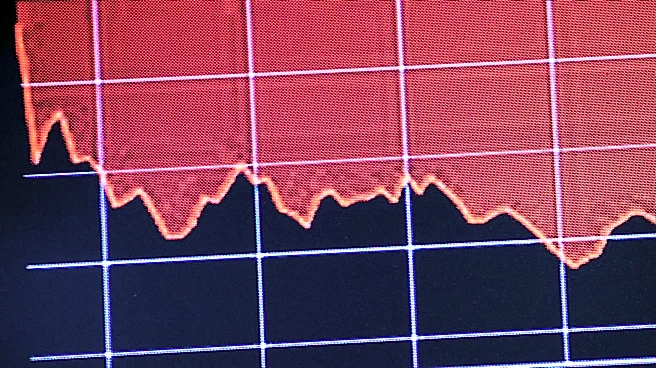
Netflix, Inc. (NFLX) stock is currently trading 45.9% below its 52-week high from December 2025, significantly underperforming the Nasdaq Composite. Over the past three months, Netflix shares have fallen 27.8%, while the Nasdaq declined 9.8%. The year-to-date
comparison shows Netflix down 36.6% against the index's 1.5% advance. The stock has consistently traded below its 50-day and 200-day moving averages for extended periods. This underperformance is attributed to slower revenue expansion, a reduced advertising outlook, and intensifying competition from platforms like Alphabet Inc.'s YouTube, TikTok, and The Walt Disney Company. Additionally, an abandoned bid for Warner Bros. Discovery and recent changes in content leadership have added to investor uncertainty.
Why It's Important?
Netflix's underperformance relative to the Nasdaq highlights the increasing pressures faced by even dominant players in the streaming industry. The market's reaction reflects concerns over the company's ability to maintain its growth trajectory amidst a maturing market and heightened competition. While Netflix retains a massive global audience and a valuable content library, the challenges in revenue expansion and the slower-than-expected rollout of its advertising-supported tier are impacting investor sentiment. The competition from diverse platforms, including short-form video and other major streaming services, necessitates continuous innovation and strategic adjustments from Netflix to retain and grow its subscriber base and advertising revenue. The company's strategic moves into live programming and international expansion are crucial for future growth.
What's Next?
Despite the current stock underperformance, Netflix management projects 2026 revenue of $51.1 billion, representing 13% annual growth, alongside an operating margin of 31.5%. This outlook suggests confidence in the company's long-term strategy, which includes leveraging its advertising-supported tier, live programming, and international expansion for new growth avenues. Investors will be closely watching the execution of these strategies, particularly the progress in advertising revenue and subscriber engagement. The company's ability to effectively compete with rivals and demonstrate consistent growth in its new ventures will be critical for its stock performance and market perception in the coming years. The focus will be on whether these new initiatives can successfully offset the challenges of slower traditional subscription growth.