



What's Happening?
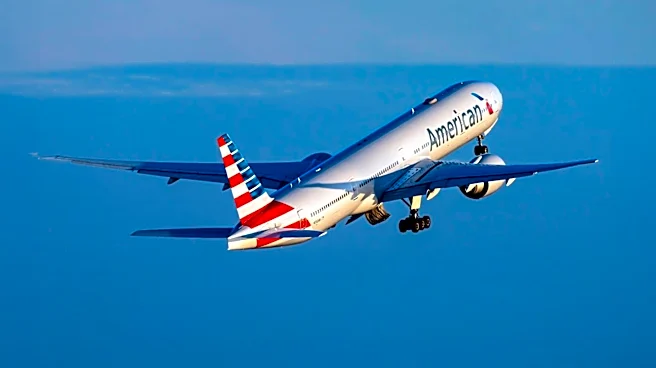
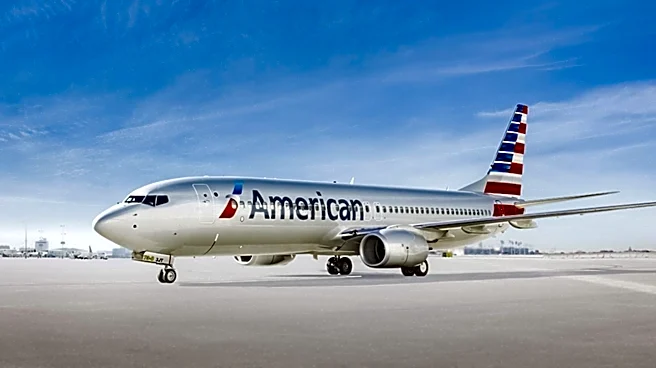
American Airlines is increasing its premium seating capacity on its Boeing 777-300ER aircraft, which are used for long-haul international routes. This initiative involves phasing out the international first-class cabin and adding more business-class seats.
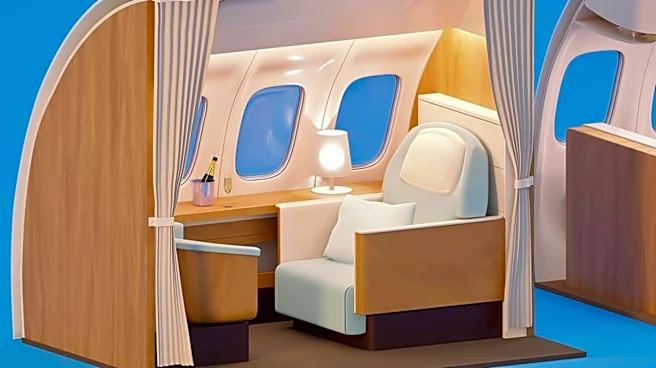
The first retrofitted aircraft is scheduled to begin commercial service on a route from New York to Buenos Aires. American Airlines anticipates completing upgrades on all 20 of its 777-300ERs by sometime in 2027. The revamped aircraft will feature 144 premium seats, an increase from the current 116, raising the premium seat percentage from approximately 38% to 44%. This includes 70 Flagship Suite business-class seats with privacy doors, 44 Premium Economy seats, and 30 Main Cabin Extra seats. The airline stated in 2022 that it would phase out international first class due to low customer demand, opting instead to expand business-class offerings.
Why It's Important?
This strategic shift by American Airlines is significant for the U.S. airline industry and its customers. By increasing premium seating, American aims to enhance profitability, as premium travelers generate a disproportionately high share of revenue. This move aligns American with other major U.S. carriers like Delta Air Lines and United Airlines, which have previously consolidated or eliminated international first-class cabins in favor of expanded business-class products. The focus on premium travel reflects a broader trend where higher-spending customers continue to travel, while budget-conscious travelers may be pulling back. This could lead to a more competitive premium travel market, potentially influencing pricing and service offerings across the industry. For passengers, it means more options for business-class travel, including features like privacy doors, but the disappearance of the traditional international first-class experience.
What's Next?
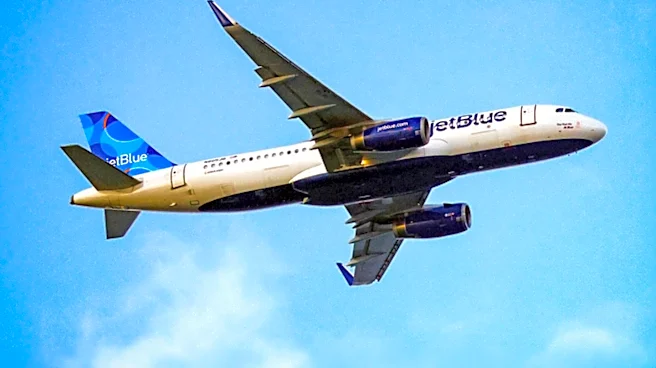
American Airlines will continue the retrofit process for its remaining 777-300ER fleet, with completion expected by 2027. The airline will also likely monitor the financial performance and customer feedback from the new premium cabin configuration. Other U.S. carriers may further evaluate their own premium offerings in response to American's enhanced capacity, potentially leading to further innovations or adjustments in the premium travel segment. The airline's AAdvantage loyalty program members will also benefit from free high-speed Wi-Fi on the retrofitted aircraft, which could influence loyalty and booking decisions. This move is part of a wider industry trend, with other airlines like Southwest, Frontier, and JetBlue also expanding their premium offerings or introducing airport lounges to attract higher-spending travelers.
Beyond the Headlines
This move by American Airlines highlights a fundamental shift in the perceived value and demand for ultra-premium air travel. The decline of international first class suggests that while travelers are willing to pay for enhanced comfort and services, the distinction between first and business class has blurred, with modern business class offerings often providing comparable or superior amenities. This trend also reflects the airlines' data-driven approach to optimizing cabin configurations for maximum revenue. The emphasis on privacy doors and upgraded in-flight entertainment in business class indicates a focus on personalized and high-quality experiences, catering to the evolving expectations of affluent travelers. This strategic realignment could also contribute to narrowing the profit gap between American and its competitors, Delta and United, by focusing on the most profitable segments of the market.