


What's Happening?
Retailers are increasingly adopting omnichannel strategies to integrate online and offline sales channels, aiming to provide a seamless customer experience. However, a significant challenge arises from fragmented legacy systems that were not designed
to work together. These systems, often developed at different times for various functions like Point of Sale (POS), e-commerce, and loyalty programs, struggle to maintain consistent data across channels. For instance, real-time inventory visibility, a cornerstone of omnichannel retail, can be compromised when store inventory updates on a different schedule than e-commerce platforms. This fragmentation leads to issues such as duplicate product information, gaps in customer history, and discrepancies in pricing and stock positions. The core problem is not merely having multiple channels, but ensuring that the same order, customer, price, and stock information remain intact and synchronized as data moves between these disparate systems. This complexity often requires retailers to run old and new systems concurrently during transitions, necessitating careful mapping of old records into new data models and ensuring transactions continue uninterrupted during migration.
Why It's Important?
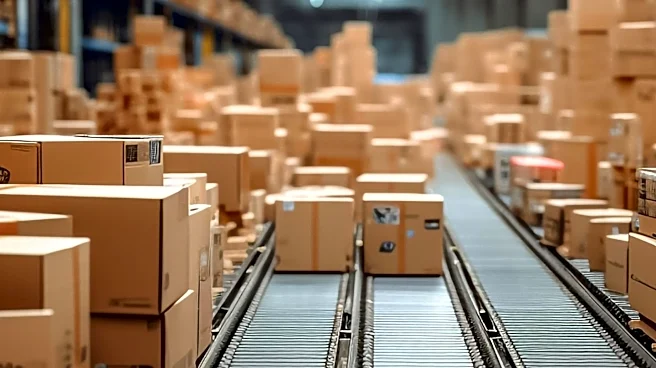
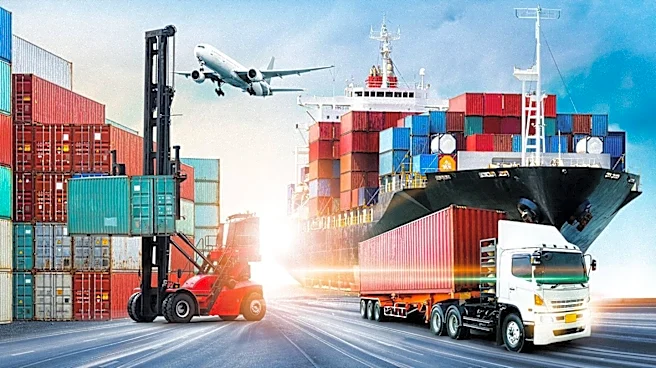
The successful implementation of omnichannel retailing is crucial for U.S. businesses as it directly impacts customer satisfaction, operational efficiency, and profitability. When systems are fragmented, customers may experience inconsistencies, such as being asked to repeat information across different touchpoints or encountering incorrect stock availability. This can lead to a poor customer experience, potentially driving customers to competitors. For retailers, the inability to maintain a unified view of inventory can result in lost sales due to stockouts or overstocking, and inefficient order fulfillment. Furthermore, disconnected systems complicate returns processes, loyalty program management, and promotional offers, creating operational bottlenecks and increasing costs. The shift towards omnichannel operations is also influencing the logistics sector, driving demand for LTL (Less-Than-Truckload) cross-docking services. Omnichannel retail necessitates more frequent, smaller consignments and multi-destination movements, placing greater importance on consolidation points that can efficiently combine partial loads. This demand is projected to grow the LTL cross-docking services market significantly, with North America holding a substantial share, indicating the critical role of efficient logistics in supporting integrated retail strategies.
What's Next?
Retailers will likely continue to invest in robust platforms and software development firms specializing in integrating disparate retail systems. The focus will be on creating a single, unified data model for customer, product, and inventory information. This involves complex projects such as mapping existing data, ensuring continuous transaction flow during system migrations, and connecting e-commerce platforms with supplier and warehouse management systems. The growth of the LTL cross-docking services market is expected to continue, driven by the increasing fragmentation of e-commerce and omnichannel freight. This will necessitate further investment in terminal coverage, shipment visibility technologies, and the ability to handle time-sensitive freight. Companies like Target are already seeking product managers with experience in omnichannel experiences and e-commerce monetization, indicating a strategic focus on developing and refining these integrated retail approaches. The evolution will also involve leveraging automation and AI to manage the complexities of omnichannel operations, from customer service to supply chain logistics.
Beyond the Headlines
The drive towards omnichannel retailing highlights a broader shift in consumer expectations and the technological infrastructure required to meet them. Beyond the immediate operational benefits, a truly integrated omnichannel approach fosters deeper customer relationships by providing a consistent and personalized experience, which can significantly enhance brand loyalty. The ethical implications of data privacy and security become even more pronounced as customer data is consolidated across multiple channels. Retailers must ensure robust data governance to protect sensitive information. Culturally, this shift demands a more collaborative internal environment, breaking down traditional silos between departments like marketing, sales, and customer service, as all contribute to the unified customer journey. The long-term impact could see a redefinition of the physical store's role, evolving from a mere sales point to an integral part of a broader digital ecosystem, offering services like in-store pickup, returns, and personalized consultations that are seamlessly linked to online interactions. This evolution also underscores the increasing reliance on sophisticated technological partnerships and specialized logistics providers to manage the intricate web of modern retail.