







What's Happening?
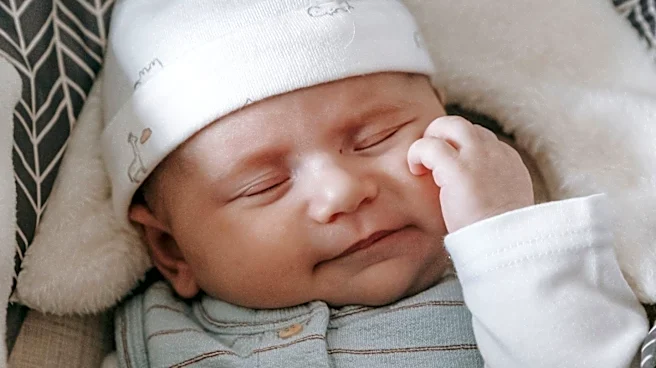
Pediatricians recommend initiating sleep training for infants between 4 and 6 months of age, a period when babies typically develop more mature circadian rhythms and sleep patterns, enabling them to consolidate sleep and practice self-soothing skills.
However, the readiness for sleep training varies for each baby, with health and nutritional needs taking precedence. Pediatricians may advise delaying sleep training if an infant is experiencing feeding difficulties, inadequate weight gain, or other underlying medical concerns. Furthermore, parental circumstances, such as major life changes, additional stressors, or unpredictable schedules, can also influence the optimal timing for starting sleep training. The primary goal is to support healthy sleep habits when the baby is developmentally prepared and their needs are met, rather than rushing the process. Before 4 months, frequent nighttime awakenings are considered normal and serve to help babies signal hunger and discomfort.
Why It's Important?
The guidance on infant sleep training is crucial for promoting healthy development in babies and improving the well-being of families. Adequate sleep supports a baby's growing brain, contributing to communication, problem-solving, social skills, and emotional development. Insufficient sleep can lead to overtiredness, irritability, and difficulty in regulating behavior. Beyond cognitive and emotional benefits, healthy sleep habits support physical growth and may reduce health risks, such as obesity and infections, later in life. For parents, better infant sleep often translates to reduced exhaustion, stress, and overwhelm, allowing them more energy to engage with their children. Establishing healthy sleep habits early can have lasting positive effects for the entire family, fostering a more stable and supportive home environment.
What's Next?
Parents considering sleep training for their infants should consult with their pediatricians to assess their child's individual readiness, taking into account medical history, feeding schedule, and developmental stage. Pediatricians can provide personalized recommendations and guidance on various sleep training methods, such as Cry It Out, the Ferber Method, or the Chair/Camping Out Method, to find the most suitable approach for each family. It is important for parents to understand that there is no one-size-fits-all solution, and consistency is key once a method is chosen. Families should also be prepared for potential interruptions to sleep training due to factors like illness, teething, or developmental regressions, and be ready to adjust their approach as needed while prioritizing their baby's comfort and health.
Beyond the Headlines
The discussion around infant sleep training extends beyond mere scheduling, touching upon the delicate balance between a child's developmental needs and a family's overall well-being. The emphasis on prioritizing a baby's health and nutritional needs before initiating sleep training highlights a holistic approach to infant care, recognizing that sleep is intertwined with physical and emotional health. The acknowledgment that parental circumstances also play a role underscores the importance of a supportive environment for both the child and the caregivers. This approach challenges the notion of rigid timelines for developmental milestones, advocating for flexibility and individualized care. It also implicitly addresses the societal pressures on parents to achieve certain developmental benchmarks, promoting a more patient and understanding perspective on infant development and family dynamics.