







What's Happening?
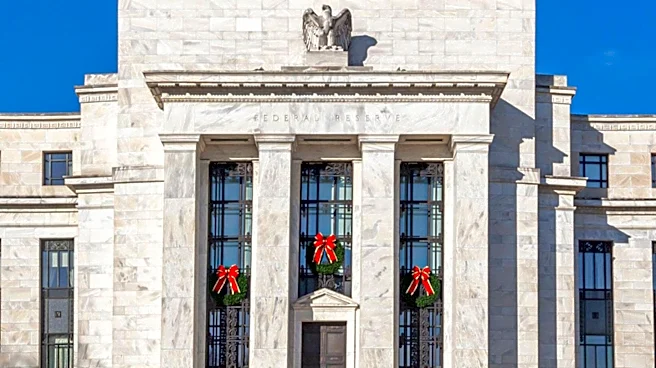
The Board of Governors of the Federal Reserve System has published new economic research titled "Heterogeneity in Service Fee Sensitivity: Evidence from ATM Surcharges." This paper, authored by Krzysztof Wozniak, delves into how consumer sensitivity to service
fees varies across different contexts, including use cases and competitive environments, and whether consumer learning influences this sensitivity. The research utilizes a detailed, high-frequency panel data set specifically on surcharged ATM cash withdrawals to conduct an in-depth empirical analysis. The findings indicate that average elasticity estimates often obscure significant heterogeneity in how consumers react to service fees. The paper further explores market and behavioral mechanisms that could explain this observed heterogeneity and investigates whether consumers strategically adjust their behavior in response to these fees. This research is part of the Finance and Economics Discussion Series (FEDS), which circulates preliminary economic research to stimulate discussion and critical comment within the academic and policy communities.
Why It's Important?
This research from the Federal Reserve is important for understanding consumer behavior in markets where service fees are prevalent, ranging from retail to payments. The insights into varying consumer sensitivity to fees can inform policy discussions related to consumer protection, market competition, and fairness in financial services. For businesses, particularly those in the banking and payments sectors, understanding this heterogeneity can help in designing more effective pricing strategies and anticipating consumer responses to fee structures. The findings could also influence regulatory approaches to service fees, potentially leading to policies that better address consumer welfare and market efficiency. The study's focus on ATM surcharges provides a concrete example, but its implications extend to other areas where consumers encounter various service charges, highlighting the need for nuanced approaches rather than relying solely on average consumer responses.
What's Next?
The publication of this research is intended to stimulate discussion and critical comment within the economic policy community and academia. Future steps may involve further research building on these findings, potentially exploring policy interventions or business strategies that could address the observed heterogeneity in consumer sensitivity to fees. Regulators and financial institutions might use these insights to re-evaluate existing fee structures or develop new guidelines for transparency and fairness in service charges. The ongoing dialogue fostered by such research could lead to a more refined understanding of how consumers interact with fee-based services and how markets can be structured to better serve diverse consumer needs. The Federal Reserve's continued commitment to staff research on a wide range of economic topics suggests that this area will remain a subject of ongoing analysis.
Beyond the Headlines
Beyond the immediate implications for financial services, this research touches upon broader themes of behavioral economics and consumer psychology. The concept of "heterogeneity in consumer sensitivity" suggests that a one-size-fits-all approach to pricing or regulation may be ineffective or even counterproductive. It underscores the complexity of consumer decision-making, where factors beyond simple price elasticity, such as individual circumstances, learning, and strategic adjustments, play a significant role. This deeper understanding can inform not only economic policy but also marketing and product development across various industries. The study implicitly highlights the ethical considerations surrounding service fees, particularly how they might disproportionately affect certain consumer segments. Recognizing these diverse responses is crucial for fostering more equitable and efficient markets, moving beyond aggregate statistics to address the nuanced realities of consumer financial behavior.