





What's Happening?
Dermatologists are increasingly recommending a skincare regimen known as 'skin cycling,' which operates on a four-night rhythm. This approach aims to optimize skin health by strategically alternating active treatments with recovery periods. The cycle
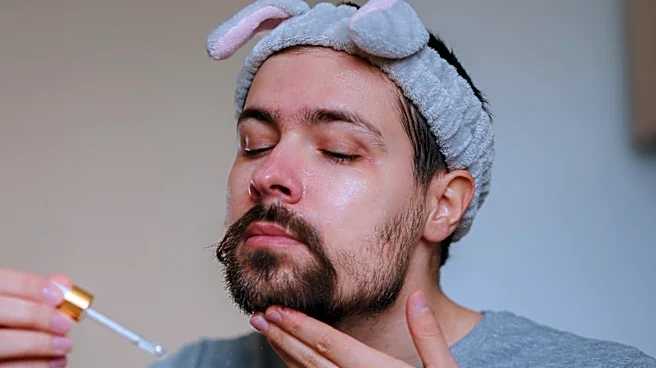
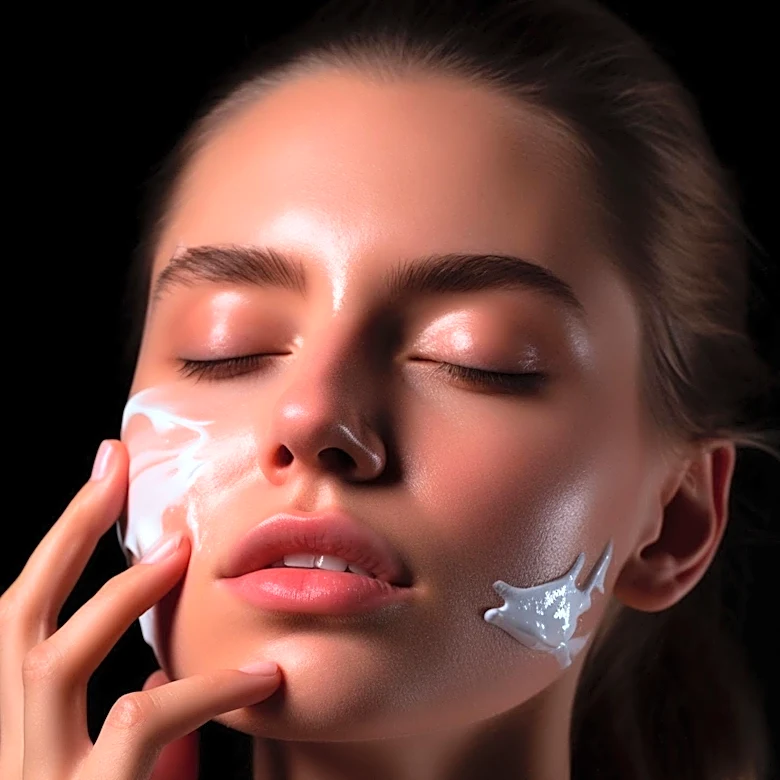
begins on night one with exfoliation, followed by the application of a retinoid on night two. Nights three and four are designated as 'rest' nights, during which only gentle cleansing and moisturizing are performed. This method is designed to prevent irritation and support the skin barrier, particularly for individuals with sensitive or eczema-prone skin. The American Academy of Dermatology also cautions against using too many products, which can lead to skin irritation. The emphasis is on a balanced and consistent routine rather than overwhelming the skin with multiple active ingredients simultaneously.
Why It's Important?
The adoption of 'skin cycling' by dermatologists signifies a shift towards more mindful and less aggressive skincare practices in the U.S. This approach is particularly important given the widespread availability and marketing of numerous active skincare ingredients, which can often lead consumers to over-treat their skin. By promoting a structured cycle that includes recovery nights, dermatologists are helping to educate the public on the importance of maintaining a healthy skin barrier. This can reduce instances of irritation, redness, and sensitivity, ultimately leading to more effective and sustainable skincare results. For consumers, understanding this method can lead to better product choices and a more personalized routine, potentially saving money on unnecessary or counterproductive products. For the beauty industry, this trend may influence product development towards gentler formulations and clearer usage instructions.
What's Next?
As 'skin cycling' gains traction, it is likely to become a more widely discussed and recommended practice in dermatology and beauty communities. Consumers may see an increase in educational content from skincare brands and influencers explaining how to implement this routine. There could also be a rise in product formulations specifically designed to fit into a skin cycling regimen, such as gentle exfoliants or retinoids with varying strengths. Dermatologists may continue to refine and personalize these recommendations based on individual skin types and concerns, further integrating this approach into standard skincare advice. The emphasis on fewer, kinder products and consistent routines is expected to continue shaping consumer behavior and product innovation in the U.S. skincare market.
Beyond the Headlines
The rise of 'skin cycling' reflects a broader cultural shift towards 'less is more' in personal care, moving away from the maximalist, multi-step routines that have dominated in recent years. This trend highlights a growing awareness of skin barrier health and the potential harm of over-exfoliation or excessive use of strong actives. Ethically, it encourages a more responsible approach to skincare, prioritizing long-term skin health over quick fixes. Legally, clearer guidelines on product usage and potential side effects may become more prevalent as consumers become more informed about ingredient interactions. Culturally, it promotes a more sustainable and less consumerist mindset within the beauty industry, encouraging individuals to understand their skin's needs rather than constantly seeking new products. This could lead to a more educated consumer base and a more transparent beauty market.