






What's Happening?
The focus on dietary fiber as a key component of gut health and immune function is gaining traction. Health experts are advocating for increased fiber intake through simple dietary changes. Recommendations include using multigrain bread, incorporating
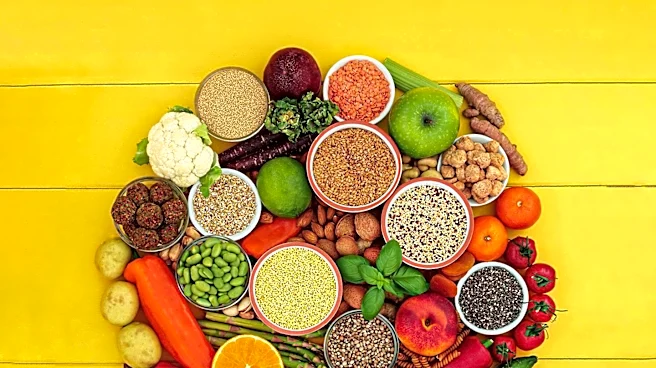
legumes like beans and lentils, and consuming whole grains such as brown rice and wholemeal pasta. These foods are rich in dietary fiber, which supports digestive health and boosts immune function. Additionally, keeping the skins on fruits and vegetables and adding fiber-rich foods like frozen peas and edamame to meals are suggested as easy ways to increase fiber intake. The emphasis is on integrating these foods into daily meals without significant effort, making it accessible for individuals to enhance their dietary habits.
Why It's Important?
Increasing dietary fiber intake is crucial for maintaining gut health, which is linked to overall well-being and immune function. A diet rich in fiber can help prevent digestive issues and support a healthy microbiome, which plays a significant role in immune response. As health trends evolve, the focus on fiber represents a shift towards preventive health measures that can reduce the risk of chronic diseases. By adopting these dietary changes, individuals can improve their health outcomes and potentially reduce healthcare costs associated with digestive and immune-related conditions. The emphasis on fiber also highlights the importance of accessible and affordable nutrition solutions.
What's Next?
As awareness of the benefits of dietary fiber grows, it is likely that more food products will be developed to cater to this demand. Health campaigns may focus on educating the public about the importance of fiber and how to incorporate it into daily meals. Additionally, research into the specific health benefits of different types of fiber may lead to more targeted dietary recommendations. The food industry may respond by offering more high-fiber options and promoting them as part of a balanced diet. Consumers can expect to see an increase in fiber-rich products and resources to support their dietary choices.
Beyond the Headlines
The focus on dietary fiber also raises questions about the accessibility of healthy food options for all socioeconomic groups. While fiber-rich foods are often affordable, there may be barriers to access in certain communities. Addressing these disparities is essential to ensure that everyone can benefit from improved gut health and immune function. Furthermore, the emphasis on fiber highlights the need for sustainable agricultural practices that support the production of whole grains and legumes. As demand for these foods increases, it is important to consider the environmental impact and strive for sustainable solutions.