






What's Happening?
U.S. pending home sales unexpectedly dropped by 2.3% in July, according to data released by the National Association of Realtors (NAR). This decline was contrary to economists' expectations of a 0.3% rise. The previous month's figure for June was also
revised downward to a 4.8% decrease from an initial estimate of 5.4%. On a year-over-year basis, pending home sales fell by 2.2% in July, against forecasts for a 1.4% increase. All regions experienced month-over-month declines, while year-over-year sales increased only in the Midwest, with decreases in the Northeast, South, and West. NAR Chief Economist Dr. Lawrence Yun attributed the pullback in contract signings to the highest mortgage rates of the year, which occurred in mid-summer. Home prices remain at record highs, leading to properties staying on the market longer and fewer buyers bidding above asking prices compared to a year ago.
Why It's Important?
The unexpected decline in U.S. pending home sales is a critical indicator of continued weakness in the housing market. Pending home sales are a leading indicator for existing home sales, as contracts are typically signed a few months before a sale is finalized. This data suggests that the housing market, which has struggled over the past two years due to high prices and elevated mortgage rates, is still far from stabilization. The high mortgage rates are pricing out many potential homebuyers, reducing affordability and dampening demand. This trend has significant implications for the broader economy, as the housing sector is a major contributor to economic activity through construction, related services, and consumer spending on home furnishings. A prolonged downturn in housing could impact consumer confidence and investment.
What's Next?
The U.S. housing market is expected to remain under pressure as long as mortgage rates stay high and home prices remain elevated. Dr. Yun noted that job gains could bring more buyers into the market, especially if mortgage rates stabilize or decline, but this impact would take time to materialize. The current gap between pending contracts (30% below pre-pandemic levels) and payroll employment (5% above pre-pandemic levels) suggests a significant amount of pent-up demand. This demand could be unleashed in the coming years if more housing supply becomes available and affordability improves. Stakeholders, including real estate agents, lenders, and construction companies, will be closely watching for any shifts in interest rate policy or housing inventory that could signal a change in market conditions.
Beyond the Headlines
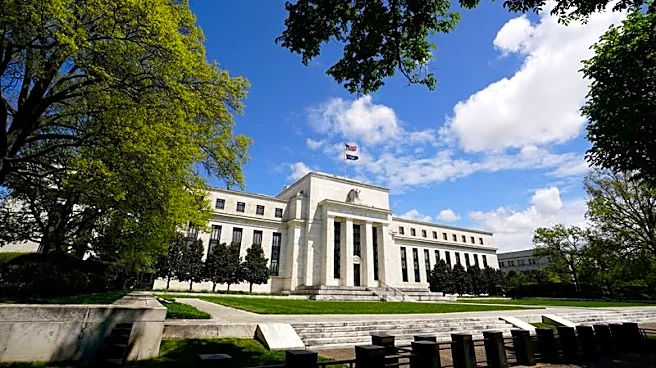
The persistent challenges in the U.S. housing market highlight a complex interplay of factors, including monetary policy, supply-demand imbalances, and demographic shifts. The Federal Reserve's interest rate decisions, aimed at controlling inflation, have a direct and significant impact on mortgage rates, thereby influencing housing affordability. The long-term shortage of housing supply, particularly affordable housing, continues to be a structural issue that exacerbates price increases. This situation also has social implications, as it affects homeownership rates, wealth accumulation, and intergenerational economic mobility. The current market conditions could lead to a re-evaluation of housing policies, including zoning regulations, construction incentives, and support for first-time homebuyers, to address the ongoing affordability crisis and ensure a more stable and accessible housing market.