





What's Happening?
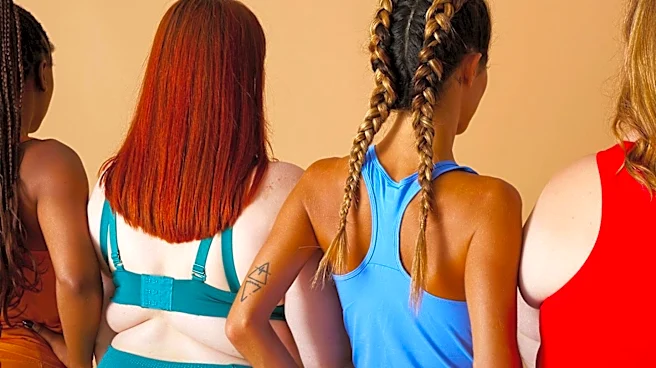
The body positivity movement is significantly influencing the fashion industry, prompting brands to re-evaluate their design decisions, customer relationships, and the concept of accessibility in clothing. This shift moves beyond mere representation to focus
on genuine inclusion, impacting how garments are designed, sizes are planned, and brands communicate with consumers. The movement emphasizes that clothing should serve individuals rather than dictate who can participate in fashion. Inclusive fashion brands are emerging as part of a broader transformation, aiming to provide clothing choices that foster confidence, comfort, and self-expression. This involves a deeper consideration of garment construction and customer needs, moving away from traditional practices built on limited assumptions about body proportions. The goal is to create fashion experiences that recognize individuality and allow people to express personal style without being excluded by restrictive sizing or outdated beauty standards.
Why It's Important?
This transformation in the fashion industry holds significant importance for U.S. consumers and businesses. For consumers, particularly those with diverse body types, it means greater access to stylish and well-fitting clothing that reflects current trends and personal preferences. This fosters increased confidence and self-expression, challenging long-standing societal beauty standards. For U.S. businesses, embracing inclusive design and marketing can lead to stronger customer loyalty and expanded market reach. Brands that genuinely respond to diverse customer needs through thoughtful design and authentic communication are better positioned to build meaningful connections. Conversely, companies that fail to adapt risk alienating a growing segment of the consumer base that demands authenticity and inclusivity. The shift also encourages a more ethical and responsible approach to manufacturing and marketing, potentially influencing broader corporate diversity initiatives.
What's Next?
The fashion industry is expected to continue its evolution towards more consistent and comprehensive inclusivity. Brands will likely invest further in research and development to create designs that cater to a wider range of body shapes and sizes, moving beyond simply scaling existing patterns. This will involve incorporating customer feedback more directly into the design process. Marketing strategies will also evolve to ensure authentic representation across all brand communications, reflecting product availability and design choices. The focus will remain on fostering confidence and self-expression, allowing consumers to explore style based on personal enjoyment rather than external limitations. Challenges remain, such as avoiding tokenism and ensuring that inclusivity is integrated into all aspects of business operations, not just as a temporary campaign. The ongoing dialogue between consumers and brands will drive further innovation and accountability in the pursuit of a truly inclusive fashion landscape.
Beyond the Headlines
Beyond the immediate impact on clothing design and sales, the body positivity movement in fashion has deeper ethical and cultural implications. It challenges the long-held notion that fashion dictates beauty standards, instead advocating for fashion as a tool for personal empowerment and self-acceptance. This shift can contribute to a broader cultural re-evaluation of body image, potentially reducing the prevalence of body dissatisfaction and promoting healthier self-perceptions. The movement also highlights the ethical responsibility of corporations to reflect the diversity of their customer base and to create products that genuinely serve their needs. By prioritizing inclusivity, the fashion industry can play a role in dismantling harmful stereotypes and fostering a more accepting and equitable society. This extends to influencing how individuals perceive themselves and others, promoting a culture where diverse body types are celebrated and valued.