





What's Happening?
Investors have directed $2.3 billion into collateralized loan obligations (CLOs) in July, as reported by LSEG data. CLOs, which are securitized pools of floating-rate loans to businesses, have become attractive due to their ability to adjust coupon payments
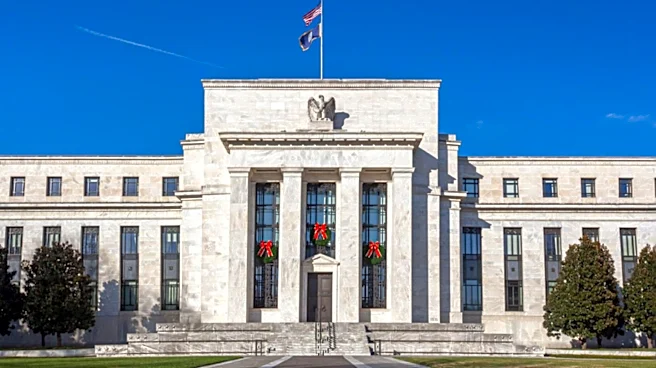
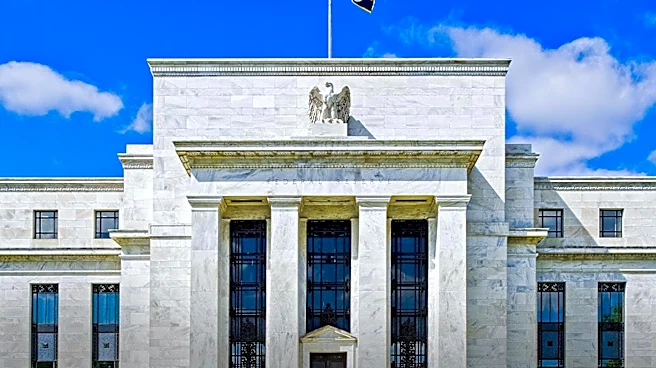
in line with short-term interest rate changes. This influx is part of a larger trend, with $11.8 billion invested in CLOs throughout the year. The Federal Reserve's current stance on interest rates, which remains divided, has contributed to this investment behavior. Despite holding rates steady after three cuts in 2025, there is a 50% chance of a rate increase in September, according to CME FedWatch tool data. CLOs have outperformed other fixed-income assets in the first half of the year, making them a favored choice for investors seeking yield in a volatile interest rate environment.
Why It's Important?
The significant investment in CLOs highlights a strategic shift among investors seeking to capitalize on the current interest rate environment. As the Federal Reserve remains uncertain about future rate hikes, CLOs offer a flexible investment option that can adapt to changing rates, providing a hedge against potential rate increases. This trend underscores the broader market's anticipation of continued interest rate volatility and the need for investment vehicles that can offer stability and yield. The movement of funds into CLOs also reflects investor confidence in these instruments' ability to deliver returns despite economic uncertainties.
What's Next?
The upcoming consumer price index reading will be a critical factor in determining the Federal Reserve's next steps regarding interest rates. Should the data suggest rising inflation, it may prompt the Fed to consider rate hikes, further influencing investor behavior towards CLOs. Additionally, the performance of CLOs in the coming months will depend on the broader economic landscape and the Fed's monetary policy decisions. Investors and financial analysts will closely monitor these developments to adjust their strategies accordingly.