








What's Happening?
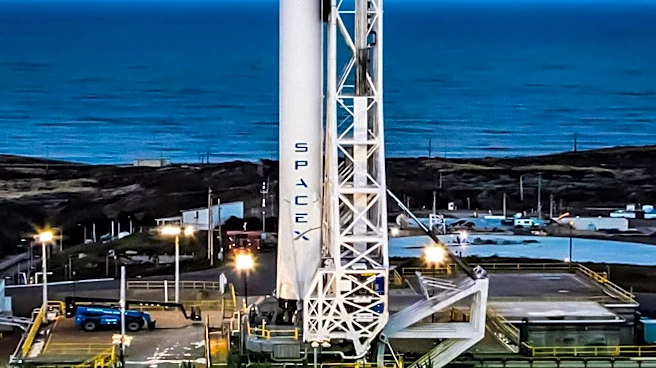
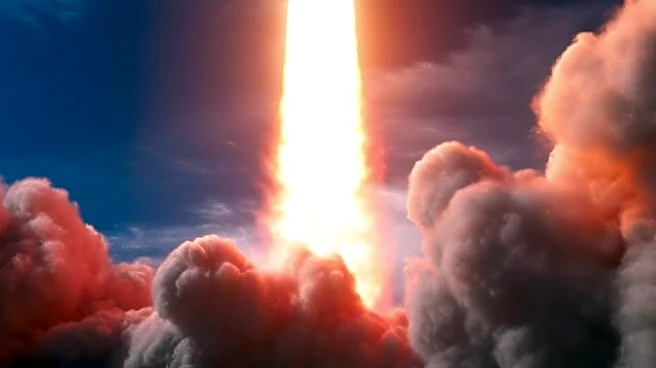
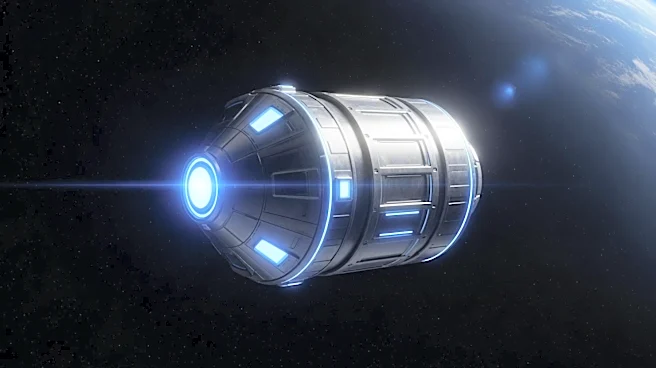
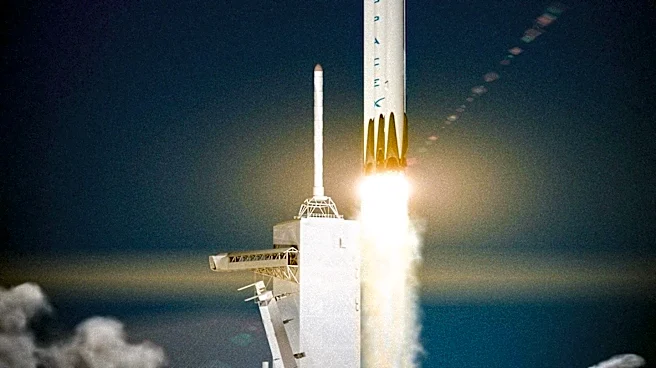
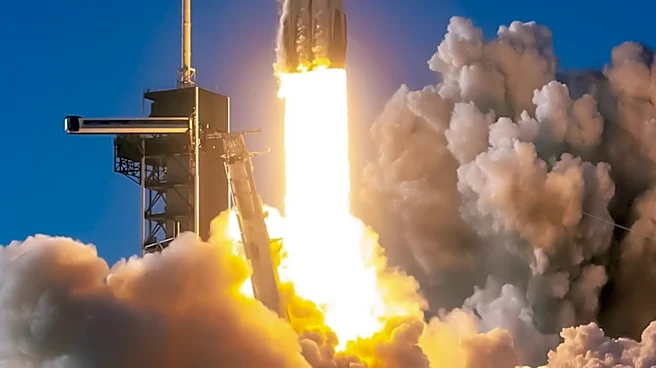
SpaceX successfully launched 24 Starlink V2 Mini satellites from Space Launch Complex 4E at Vandenberg Space Force Base in California. The launch took place at 8:30 p.m. PDT, marking the 25th flight of the Falcon 9 first stage B1081. The booster landed
on the drone ship 'Of Course I Still Love You' approximately 8.5 minutes after liftoff, with the satellites deploying from the second stage just over an hour into the flight. This mission is part of SpaceX's ongoing efforts to expand its Starlink internet service, which aims to provide global broadband coverage. The launch is the seventh of eight planned from Vandenberg in June, highlighting the base's role as a key site for SpaceX's operations in 2026.
Why It's Important?
The expansion of SpaceX's Starlink network is significant for global internet connectivity, particularly in remote and underserved areas. By increasing the number of satellites in orbit, SpaceX enhances its ability to provide high-speed internet access worldwide, potentially bridging the digital divide. This development is crucial for economic growth, education, and communication, especially in regions lacking reliable internet infrastructure. Additionally, the successful reuse of the Falcon 9 booster underscores SpaceX's commitment to cost-effective and sustainable space operations, which could influence future commercial and governmental space endeavors.
What's Next?
SpaceX plans to continue its aggressive launch schedule, with one more mission from Vandenberg and several from Cape Canaveral planned for June. The company is also focusing on developing its Starship operations at Cape Canaveral, which could lead to more frequent and diverse launch capabilities. As SpaceX expands its Starlink constellation, it may face regulatory challenges and competition from other satellite internet providers. The company will need to navigate these issues while maintaining its launch cadence and ensuring the reliability of its service.