




What's Happening?
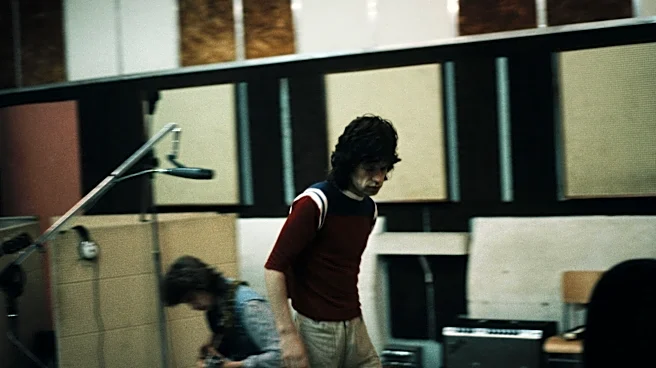
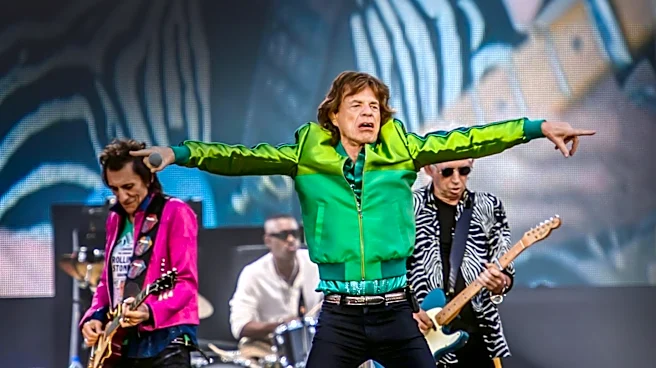
Mick Jagger, frontman of The Rolling Stones, has openly acknowledged that the band drew significant influence from The Velvet Underground, particularly for their song 'Stray Cat Blues.' Jagger stated that 'the whole sound and the way it’s paced' of 'Stray Cat Blues,'
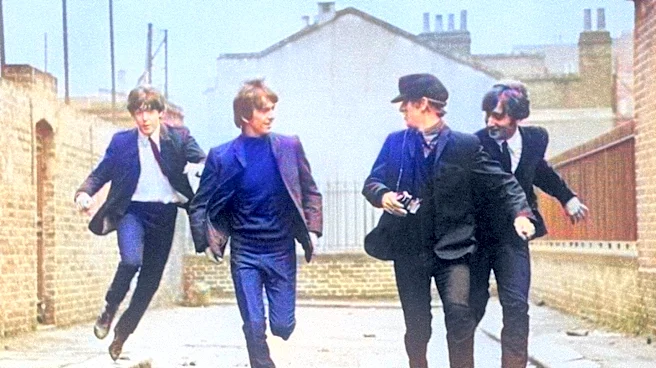
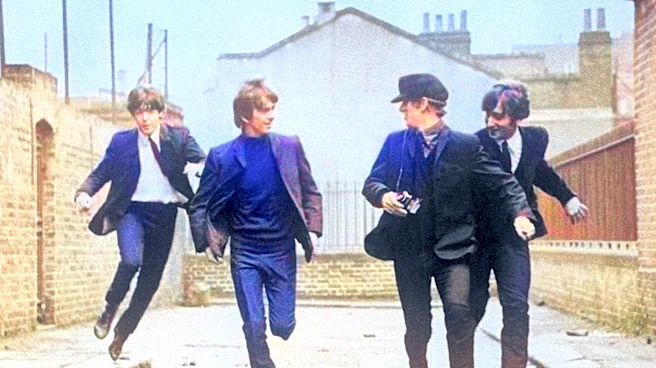
featured on their album 'Beggars Banquet,' was directly inspired by The Velvet Underground's song 'Heroin' from their debut album, 'The Velvet Underground & Nico.' He explicitly mentioned, 'Honest to God, we did!' when discussing the extent of this influence. Beyond The Velvet Underground, Jagger also cited Chuck Berry and Muddy Waters as major influences on The Rolling Stones, noting the difficulties in getting along with Berry but appreciating Waters' generosity. He also contrasted The Rolling Stones' early blues and Chuck Berry covers with The Beatles' initial musical landscape in England, highlighting a perceived 'wasteland' before The Beatles emerged with their distinct style.
Why It's Important?
This revelation from Mick Jagger offers significant insight into the creative process and influences behind one of the most iconic rock bands in history. It underscores the interconnectedness of musical artists and how even established groups draw inspiration from their contemporaries. For music historians and fans, this direct admission clarifies a specific lineage of influence, potentially leading to a re-evaluation of 'Stray Cat Blues' within The Rolling Stones' discography and its relationship to the avant-garde sound of The Velvet Underground. It also highlights the often-underestimated impact of bands like The Velvet Underground, who, despite limited commercial success, profoundly shaped subsequent generations of musicians. This kind of acknowledgment from a legendary figure like Jagger can elevate the perceived importance of less commercially successful but critically influential artists.
What's Next?
This acknowledgment may spark renewed interest in both 'Stray Cat Blues' and The Velvet Underground's 'Heroin,' potentially leading to increased streaming and discussion among music enthusiasts. Documentaries, articles, and academic analyses of rock music history might incorporate Jagger's statement, further solidifying The Velvet Underground's place as a foundational influence in rock. It could also encourage other artists to openly discuss their influences, fostering a more transparent dialogue about artistic inspiration within the music industry. Fans might also delve deeper into the discographies of both bands to identify other potential sonic connections, enriching their understanding of rock music's evolution.
Beyond the Headlines
Jagger's candid admission challenges the notion of pure originality in art, emphasizing that even the most celebrated artists build upon the works of others. It highlights the often-complex interplay between influence, homage, and innovation in creative fields. This transparency can demystify the creative process, showing that even legendary figures engage in a form of artistic dialogue across different musical acts. Furthermore, it reinforces the idea that cultural impact isn't solely measured by commercial success, as The Velvet Underground's enduring influence, despite their initial sales, is now explicitly validated by one of rock's biggest stars. This also speaks to the cyclical nature of artistic inspiration, where sounds and styles are reinterpreted and recontextualized by new generations of artists.