


What's Happening?
Volkswagen Group of America is actively exploring the introduction of body-on-frame pickup trucks and SUVs for the North American market. This strategic shift aims to align with market trends and consumer preferences in the U.S. The company has committed
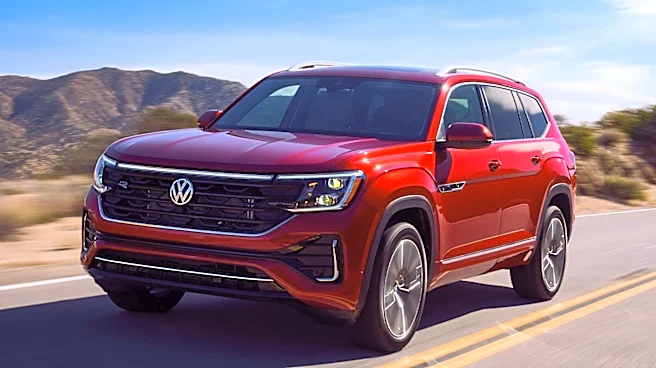
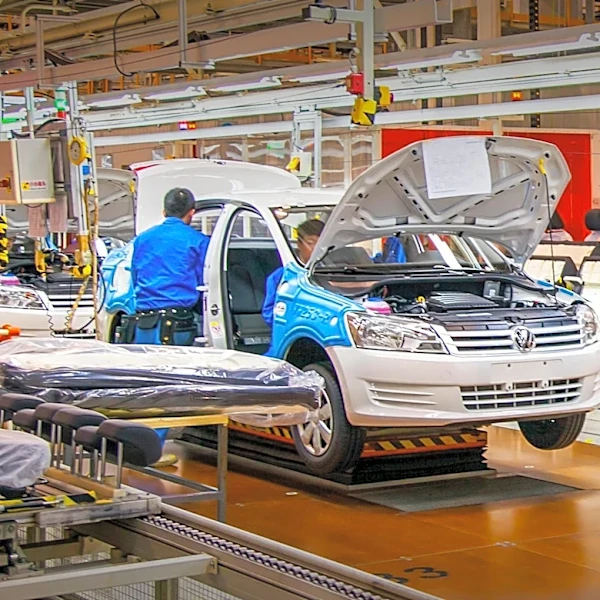
$3 billion to revive the historic Scout nameplate as an independent American EV brand, which will focus on electric trucks and SUVs, with production anticipated to begin in 2028. Volkswagen previously sold a compact pickup truck in the U.S. between 1979 and 1984, built on the unibody chassis of the first-generation Rabbit hatchback. This earlier model was produced at Volkswagen's plant in Westmoreland, Pennsylvania, allowing the company to bypass the 25% 'Chicken Tax' import tariff. The new body-on-frame vehicles are expected to be produced at the brand's assembly plant in Chattanooga, Tennessee. Additionally, Volkswagen plans to accelerate the development of its hybrid lineup for North America, as it currently lacks electrified vehicles in this market, with models like the Tiguan Atlas and Atlas Cross Sport potentially being among the first to receive electric motors.
Why It's Important?
This move is significant for Volkswagen's presence and competitiveness in the U.S. automotive market. The American market has a strong demand for pickup trucks and SUVs, a segment where Volkswagen has historically had a limited offering. By introducing body-on-frame vehicles and reviving the Scout brand as an electric truck and SUV specialist, Volkswagen aims to capture a larger share of this lucrative market. The investment in an independent American EV brand like Scout underscores a commitment to localized production and catering to specific U.S. consumer tastes, potentially creating new jobs and economic activity in states like Tennessee. Furthermore, the focus on hybrid vehicles addresses the growing demand for fuel-efficient and environmentally conscious options, while also navigating the transition towards full electrification. This strategy could help Volkswagen improve its sales and profitability in North America, a region where it has faced challenges, including higher U.S. tariffs and intense competition.
What's Next?
Volkswagen's next steps involve the continued development and eventual launch of the Scout brand's electric trucks and SUVs, with production slated for 2028. The company will also proceed with accelerating its hybrid vehicle lineup for the North American market, with initial electrified models expected to include the Tiguan Atlas and Atlas Cross Sport. The production of the future Volkswagen pickup truck is anticipated to take place at the Chattanooga, Tennessee assembly plant. This strategic direction is part of a broader global overhaul by Volkswagen, which includes plans to reduce its overall vehicle model lineup by about half by 2035 and cut approximately 100,000 jobs worldwide to enhance efficiency and profitability. The success of these new ventures in the U.S. market will be crucial for Volkswagen's long-term growth and its ability to compete with established domestic and international automakers in the truck and SUV segments.
Beyond the Headlines
The revival of the Scout nameplate as an independent American EV brand carries significant cultural and historical weight in the U.S. The original International Harvester Scout was an iconic American off-road vehicle, and its return as an electric brand taps into a sense of nostalgia while embracing future automotive technology. This strategy allows Volkswagen to leverage an established American brand identity, potentially fostering stronger consumer loyalty and market penetration than a new, unfamiliar nameplate. The focus on electric trucks and SUVs also positions Volkswagen at the forefront of a rapidly evolving segment, catering to consumers who desire both utility and sustainability. This move could also influence other foreign automakers to consider similar strategies of acquiring or reviving historic American brands to better connect with the U.S. market. The decision to produce these vehicles in the U.S. further emphasizes a commitment to local manufacturing, which can have positive implications for trade relations and job creation.