





What's Happening?
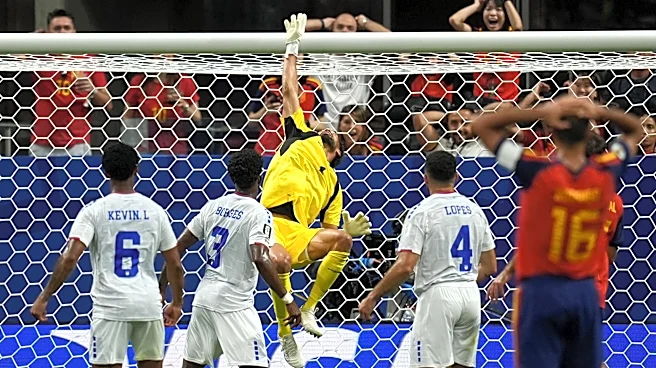
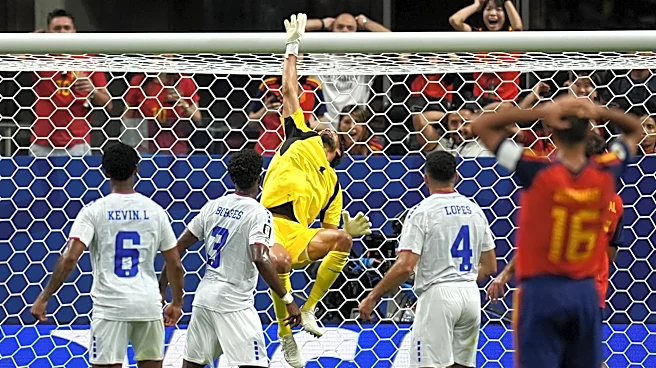
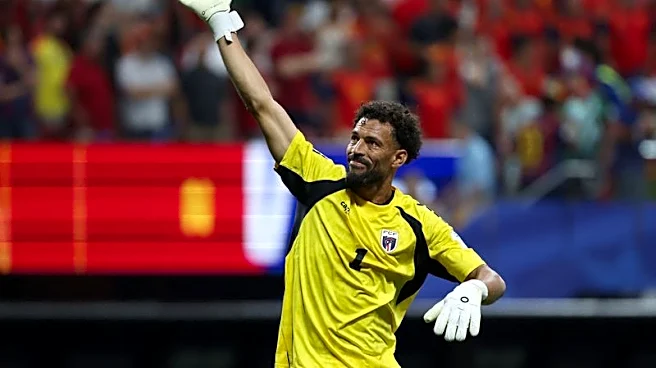
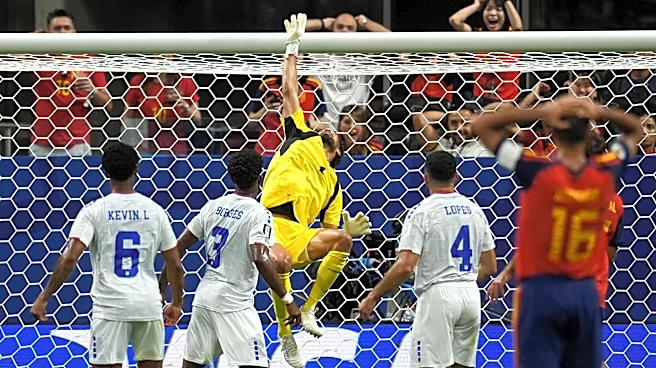
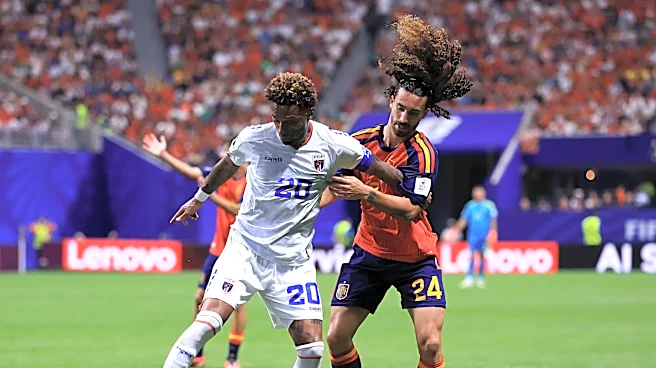
Cape Verde, a small island nation, made a remarkable debut in the World Cup by holding European champions Spain to a 0-0 draw. The match, held at the Mercedes-Benz Stadium, saw Cape Verde's 40-year-old goalkeeper Vozinha deliver an outstanding performance,
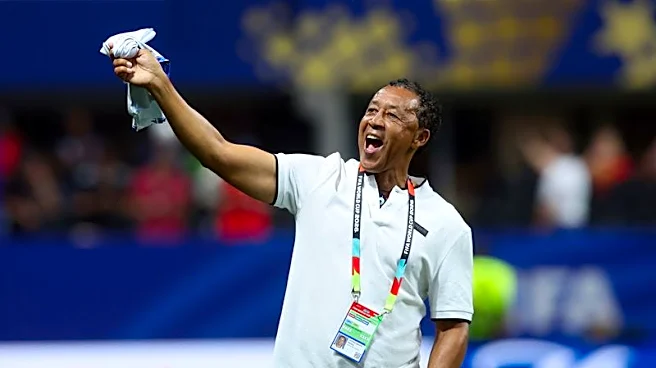
thwarting several attempts by Spain's top players, including Ferran Torres and Pedri. Despite being heavily favored, Spain was unable to break through Cape Verde's resilient defense. The draw is a significant achievement for Cape Verde, which is the third-smallest nation by population to qualify for the World Cup. The result was celebrated by Cape Verde's coach Pedro Leitão Brito as a testament to the country's resilience and determination.
Why It's Important?
This result is significant as it challenges the notion that expanding the World Cup to include more teams would dilute the quality of the tournament. Cape Verde's performance against a top-tier team like Spain demonstrates that smaller nations can compete at the highest level, potentially inspiring other small countries to invest in their soccer programs. For Spain, the draw is a setback in their quest to win the World Cup again, highlighting potential vulnerabilities in their strategy and execution. The match also underscores the unpredictability and excitement that underdogs bring to international competitions, which can enhance global interest and viewership.
What's Next?
Spain will need to reassess their approach as they prepare to face Saudi Arabia in their next match. For Cape Verde, the draw boosts their confidence as they look forward to their upcoming game against Uruguay. The result may also lead to increased support and investment in soccer within Cape Verde, as the nation celebrates its team's success on the world stage. The broader implications for the World Cup include a potential reevaluation of how smaller teams are perceived and the strategies larger teams employ when facing them.