





What's Happening?
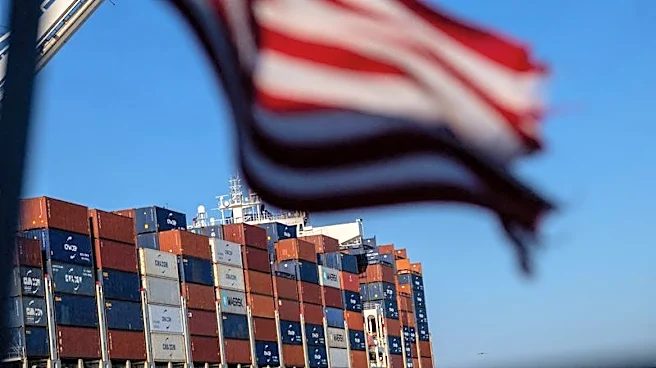
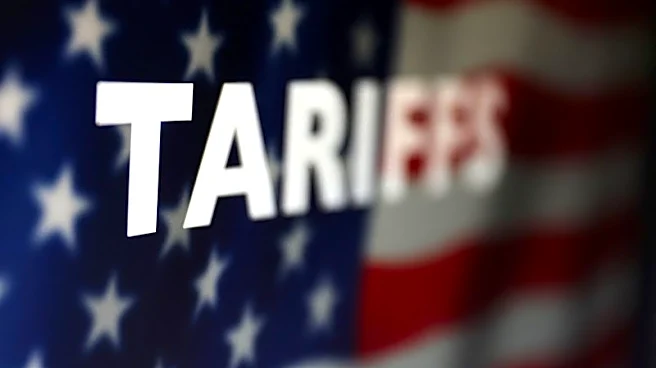
The United States has imposed a 10% tariff on Indian goods under Section 301, a reduction from previous higher tariff proposals. Economists suggest that the immediate impact on India's exports will be limited. The decision provides certainty after months
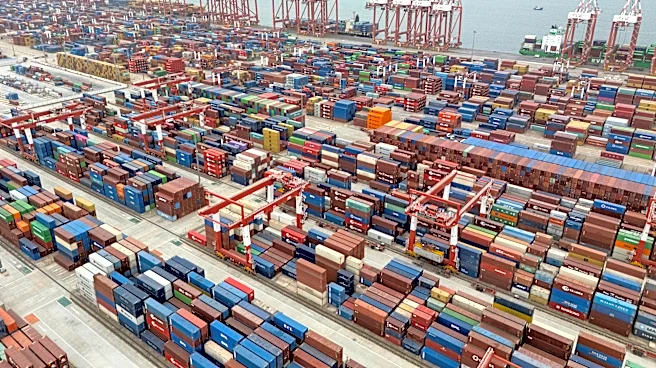
of shifting proposals, but the real challenge for India lies in reducing its dependence on a single export market and broadening its global footprint. Economist Sunil R Parekh views the tariff reduction as a positive outcome, reflecting India's efforts to negotiate with the U.S. administration. However, he notes that the change from 12.5% to 10% is of marginal significance and will not materially alter the economic outlook.
Why It's Important?
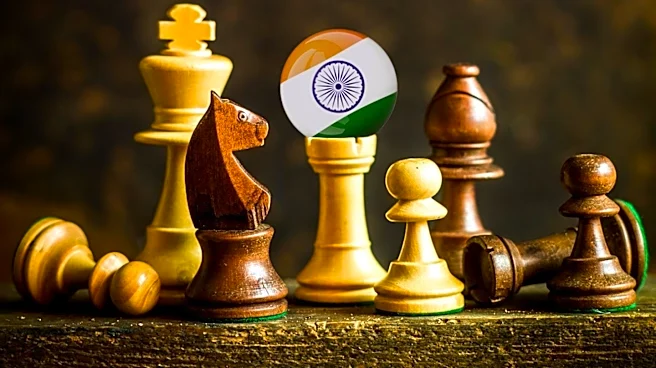
The reduction in tariffs is significant as it provides a more stable environment for Indian exporters, allowing them to plan and strategize with greater certainty. While the immediate economic impact may be limited, the decision underscores the importance of export diversification for India. By broadening its export markets, India can mitigate risks associated with policy changes in any single country. The move also highlights the ongoing trade negotiations between India and the U.S., which are crucial for maintaining and strengthening economic ties between the two nations.
What's Next?
India is expected to continue its efforts to diversify its export markets and enhance competitiveness. The focus will likely be on strengthening trade relations with other countries while maintaining a robust partnership with the U.S. Future regulatory changes and industry-specific factors will play a role in determining the long-term impact of the tariff reduction. Indian exporters may also need to address allegations of forced labor, which have been rejected as baseless by economists like Parekh.