






What's Happening?
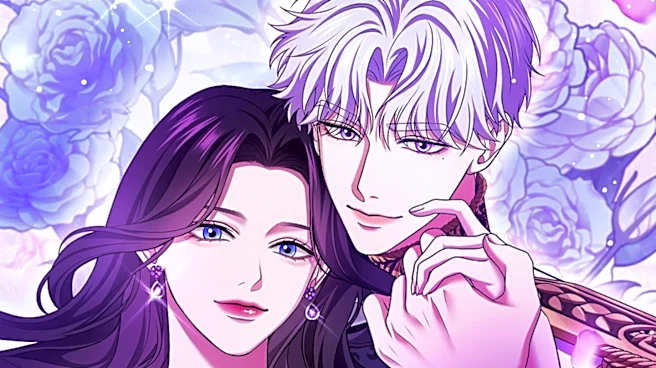
A review of 'The Remarried Empress' highlights the series' lavish production design and visual appeal, but criticizes its outdated gender attitudes. The fantasy drama features court intrigue, magical forces, and mysterious monsters, yet its portrayal
of women as rivals competing for a man's affection is noted as difficult to ignore. Emperor Sovieshu is depicted as a one-note character who reduces women to objects in his personal and political games. His infatuation with Rashta, a character described as a conniving woman pretending to be a damsel in distress, reinforces these problematic themes. In contrast, Prince Heinrey is presented as a character who respects the protagonist Navier's intelligence and ambitions, treating her as an equal, though he appears later in the series. Navier's journey to shape her own future is identified as the most satisfying plotline.
Why It's Important?
This review is important because it sheds light on the critical reception of media content, particularly regarding its social messaging and thematic depth. For the entertainment industry, feedback on gender representation can influence future production choices, encouraging creators to develop more nuanced and progressive narratives. For audiences, especially parents, such reviews provide valuable insights into the values and messages conveyed by a series, helping them make informed decisions about what content is suitable for viewing. The critique of 'The Remarried Empress' underscores a broader societal conversation about gender roles in media and the demand for stories that challenge, rather than reinforce, traditional and potentially harmful stereotypes. It also highlights the ongoing challenge for creators to balance engaging storytelling with contemporary social sensitivities.
What's Next?
While the review focuses on existing content, its implications could influence future seasons or adaptations of 'The Remarried Empress,' if any are planned. Producers and writers might consider incorporating more progressive themes or developing characters with greater depth and agency in response to such critiques. For other fantasy dramas, this review serves as a reminder of the importance of thoughtful character development and avoiding stereotypical portrayals, particularly concerning gender. Audiences will likely continue to seek out and support media that reflects modern values and offers diverse, empowering representations of women, potentially leading to a shift in content creation trends within the fantasy genre.
Beyond the Headlines
The critique of 'The Remarried Empress' extends beyond mere entertainment value, touching upon the cultural impact of media. The perpetuation of outdated gender attitudes, even within a fantasy setting, can subtly reinforce societal norms and expectations in the real world. By portraying women primarily as competitors for male affection or as objects in political games, such narratives can inadvertently limit perceptions of female agency and potential. Conversely, the positive reception of Navier's determination to shape her own future highlights a growing audience demand for stories that empower female characters and explore their ambitions beyond romantic entanglements. This ongoing dialogue between media content and audience expectations reflects a broader cultural shift towards greater gender equality and representation, pushing creators to craft more inclusive and thoughtful narratives.