


What's Happening?
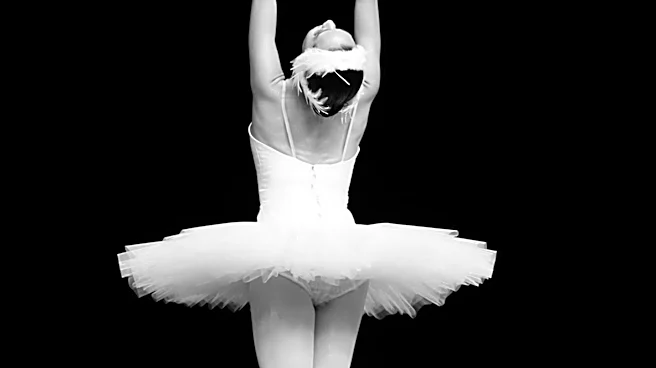
Ballet North Texas received a grant from the National Endowment for the Arts (NEA) for its production of “Maria Tallchief: America’s Prima Ballerina.” The production, which premiered in May 2026, aims to educate audiences, particularly young students,
about the life and significance of Maria Tallchief, an Osage ballerina featured on the U.S. quarter. Nicolina Lawson, founder and artistic director of Ballet North Texas, choreographed the 40-minute production to faithfully retell Tallchief’s life story, emphasizing her importance to both dance and American history. The performance began with an Osage dressing ceremony and dance, highlighting Tallchief’s Indigenous heritage. The narrative explored key moments in Tallchief’s career, including her decision to retain her name despite pressure to adopt a Russian-sounding one, her collaborations with figures like George Balanchine and Rudolf Nureyev, and her iconic performances in ballets such as *The Nutcracker*, *Symphony in C*, and *Firebird*. The grant was part of an NEA initiative supporting artistic projects honoring national heroes listed in Executive Order 13978, “Building the National Garden of American Heroes.”
Why It's Important?
This NEA grant and the resulting production are significant for several reasons. First, they contribute to the preservation and promotion of American cultural history by bringing the story of Maria Tallchief, a pioneering Indigenous artist, to a wider audience. This helps to ensure that her contributions to ballet and American heritage are recognized and celebrated. Second, the project serves an educational purpose, particularly for younger generations who may recognize Tallchief from the U.S. quarter but are unfamiliar with her biography. By presenting her story through dance, Ballet North Texas makes history accessible and engaging. Third, the production’s emphasis on Tallchief’s Osage identity and her struggle to maintain it in the face of societal pressures highlights themes of cultural preservation and personal authenticity, resonating with contemporary discussions on identity and representation in the arts. This initiative demonstrates the NEA's role in supporting diverse narratives and fostering a deeper understanding of American heroes.
What's Next?
The premiere of “Maria Tallchief: America’s Prima Ballerina” in May 2026 was followed by a question-and-answer session with the creative team, indicating an ongoing effort to engage audiences and provide deeper context. The success of this production, supported by the NEA, may encourage other ballet companies and arts organizations to explore similar biographical works that highlight underrepresented figures in American history. For Ballet North Texas, the grant and the production could enhance its reputation and attract further funding for future projects focused on historical and cultural narratives. The educational impact on conservatory students, who learned about ballet history and techniques associated with Tallchief, suggests that the production will continue to influence young dancers. The broader goal is to increase public awareness of Maria Tallchief’s legacy and the significant role of Indigenous artists in American culture, potentially leading to more widespread recognition and study of her contributions.
Beyond the Headlines
The production of “Maria Tallchief: America’s Prima Ballerina” delves into deeper cultural and ethical implications. By centering Tallchief’s Osage heritage and her decision to keep her name, the ballet addresses historical pressures on artists from marginalized communities to conform to dominant cultural norms. This narrative arc serves as a powerful commentary on identity, resilience, and the importance of cultural authenticity in the arts. The use of traditional Osage elements, such as the dressing ceremony, not only honors Tallchief’s background but also promotes cross-cultural understanding and collaboration within the arts community. Furthermore, the project implicitly critiques the historical erasure of Indigenous contributions to American culture, using the stage as a platform to reclaim and celebrate these narratives. This initiative exemplifies how artistic endeavors, supported by organizations like the NEA, can contribute to broader societal conversations about diversity, inclusion, and historical accuracy.