




What's Happening?
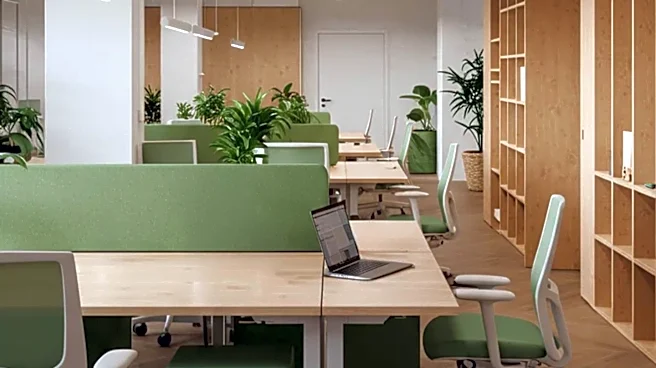
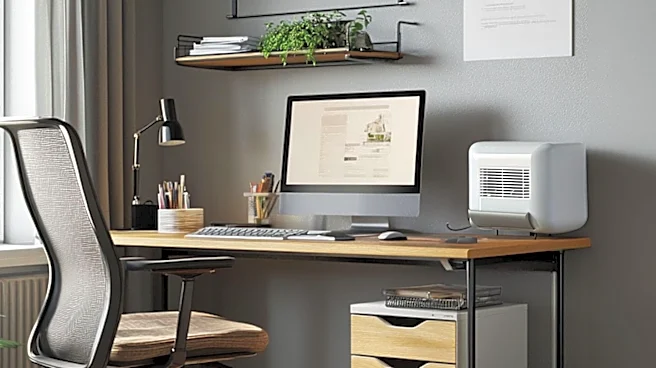
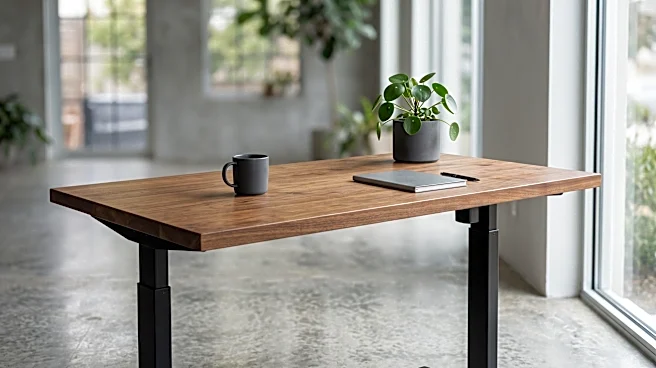
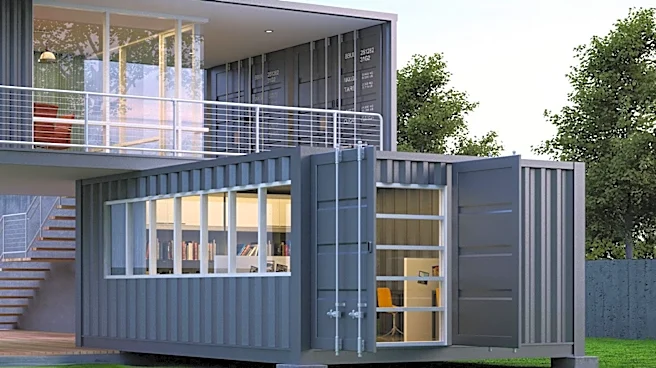
The traditional separation between home and workplace is diminishing, leading to a demand for dedicated, high-performance upper-floor studios and workspaces within modern residences. Architects are now tasked with designing these spaces to support focused
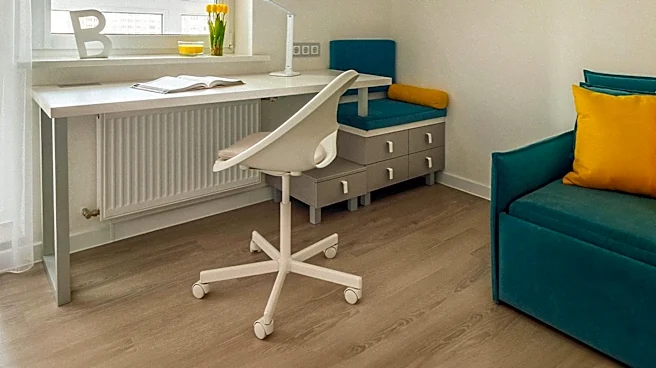
cognitive labor, executive video broadcasting, and creative production. This involves careful consideration of daylight orientation, acoustic isolation, thermal regulation, and ergonomic spatial flow. The design brief for such spaces emphasizes five core pillars, including power infrastructure and network redundancy to ensure uninterrupted digital connectivity and electrical stability. Custom joinery and ergonomic space planning are also crucial to transform often-awkward attic spaces into functional and aesthetically pleasing architectural assets, particularly utilizing eaves for storage solutions.
Why It's Important?
This shift in residential design reflects broader changes in the U.S. employment landscape, with hybrid work models, freelance consulting, and remote enterprise management becoming increasingly prevalent. The demand for specialized home workspaces impacts the architectural and construction industries, driving innovation in residential building practices and materials. Homeowners and professionals stand to gain from improved productivity and work-life balance, while architects and builders benefit from new design challenges and market opportunities. The emphasis on acoustic and thermal regulation, as well as robust power and network infrastructure, highlights the growing reliance on technology for professional work and the need for homes to adapt to these technological demands. This trend could also influence urban planning and housing development, as more individuals seek residences that can accommodate dedicated professional environments.
What's Next?
The continued evolution of remote and hybrid work models suggests that the demand for sophisticated home workspaces will persist and likely grow. This will likely lead to further advancements in architectural design, smart home technology integration, and specialized building materials that cater to these needs. We can expect to see more innovative solutions for soundproofing, climate control, and ergonomic design tailored for residential professional environments. Additionally, regulatory frameworks may need to adapt to address the unique requirements of live-work homes, potentially influencing zoning laws and building codes. The market for home office furniture and technology is also poised for expansion, offering more integrated and high-performance solutions for these dedicated spaces.
Beyond the Headlines
The integration of professional workspaces into residential settings blurs the lines between personal and professional life, potentially impacting mental well-being and social dynamics. While offering flexibility, it can also lead to challenges in maintaining work-life boundaries. This trend could also influence property values and real estate markets, with homes featuring well-designed, dedicated workspaces becoming more desirable. Culturally, it signifies a deeper acceptance of remote work as a permanent fixture, moving beyond a temporary response to external events. The ethical implications of constant connectivity and the potential for increased surveillance in home-based work environments may also become more prominent discussions.