




What's Happening?
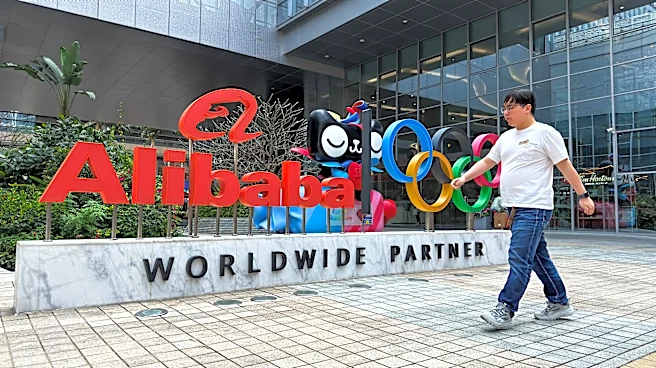
Alibaba Group Holding Ltd. is facing a new securities class action lawsuit filed in the Southern District of New York. The lawsuit alleges that Alibaba maintained a business relationship with Alice Huang and her company, Megaspeed, which is suspected
of illegally smuggling export-controlled hardware to China. Alice Huang is also suspected of being a Chinese spy. The complaint claims that Alibaba's public statements regarding its business, operations, and prospects were materially false and/or misleading because they failed to disclose this relationship and the associated risks. These risks include potential reputational damage and the possibility that Alibaba itself might be unable to purchase products subject to U.S. export control restrictions. The lawsuit seeks to recover damages on behalf of investors who purchased Alibaba's securities between May 23, 2024, and November 11, 2026, alleging violations of the Securities Exchange Act of 1934.
Why It's Important?
This lawsuit highlights the increasing scrutiny on U.S. export control violations and their potential to generate significant D&O (Directors and Officers) claims. The case against Alibaba underscores how geopolitical tensions, particularly those involving U.S.-China relations, are translating into direct legal and financial risks for multinational corporations. For U.S. investors, such allegations can lead to substantial financial losses due to stock price volatility and the costs associated with litigation. The broader implication is a heightened awareness for companies with cross-border operations, especially those with ties to China, regarding compliance with U.S. national security regulations and export controls. This situation could also influence how U.S. regulators and policymakers view the operations of foreign technology companies within the U.S. market, potentially leading to stricter oversight or new regulations.
What's Next?
The immediate next step will involve Alibaba responding to the lawsuit, likely with a motion to dismiss or by entering into discovery. It is anticipated that the plaintiff may file an amended complaint, potentially incorporating more detailed allegations from recent news articles that were not included in the initial filing, which reportedly outline a more involved connection between Alibaba and Megaspeed. The outcome of this lawsuit could set precedents for how U.S. courts handle cases involving alleged circumvention of export controls by foreign entities. Furthermore, this case may prompt other companies with similar international business dealings to review their compliance protocols more rigorously to mitigate future legal risks. The ongoing developments in this case will be closely watched by legal experts, investors, and companies operating in the technology and international trade sectors.
Beyond the Headlines
This lawsuit extends beyond typical corporate litigation, touching upon critical national security concerns and the complex interplay between global commerce and geopolitical rivalries. The allegations suggest a potential vulnerability in the U.S. export control framework, where sophisticated networks might be exploited to bypass restrictions on sensitive technology. This case could prompt a re-evaluation of due diligence processes for U.S. companies engaging with foreign partners, particularly those in high-risk regions or sectors. Ethically, it raises questions about corporate responsibility in preventing the misuse of technology and adhering to international sanctions, even when operating in complex global supply chains. The long-term implications could include a shift towards more stringent international trade policies and increased pressure on technology companies to ensure their products do not inadvertently contribute to national security threats.