









What's Happening?
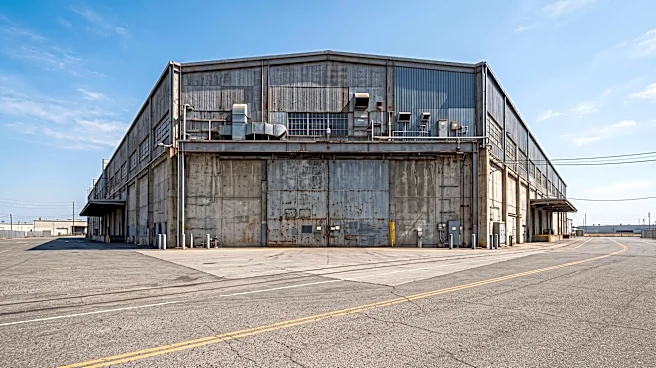
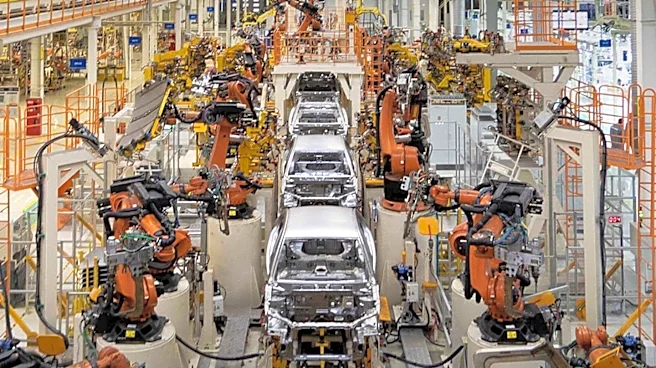
A former employee of the Ford Rouge Complex is alleged to have been involved in a theft ring that stole auto parts from the facility. Prosecutors state that this individual, along with three other men, subsequently sold these stolen parts online and through
a local auto shop. The details of the alleged operation and the specific types of parts stolen were not fully disclosed in the initial report, but the involvement of a former insider suggests a potentially organized scheme to illicitly acquire and distribute automotive components.
Why It's Important?
This incident highlights significant security vulnerabilities within large manufacturing facilities like the Ford Rouge Complex. The alleged involvement of an employee underscores the internal threats that companies face, which can be more challenging to detect and prevent than external theft. Such theft rings can lead to substantial financial losses for manufacturers, impact inventory management, and potentially introduce unauthorized or compromised parts into the aftermarket supply chain, posing risks to consumers. For Ford, it could necessitate a review of internal security protocols, employee screening processes, and inventory control measures to prevent future occurrences and protect its assets and reputation.
What's Next?
The ongoing investigation by prosecutors will likely focus on gathering more evidence, potentially leading to further charges or arrests. Ford may initiate an internal review of its security procedures at the Rouge Complex to identify and rectify any weaknesses that facilitated the alleged theft. This could involve enhancing surveillance, tightening access controls, and implementing more stringent inventory tracking systems. The auto shop and online platforms used for selling the stolen parts will also likely face scrutiny, potentially leading to legal action or increased regulation to curb the sale of illicit goods.
Beyond the Headlines
The alleged theft ring points to a broader issue of organized crime targeting industrial facilities for valuable components. The ease with which stolen parts can be sold online or through less scrupulous channels creates a lucrative market for such activities. This situation raises questions about the accountability of online marketplaces and physical retailers in verifying the provenance of goods they sell. Furthermore, it underscores the ethical responsibilities of employees in positions of trust and the potential for insider threats to compromise corporate security and integrity. The incident could prompt a wider industry discussion on best practices for preventing internal theft and managing the aftermarket supply chain.