






What's Happening?
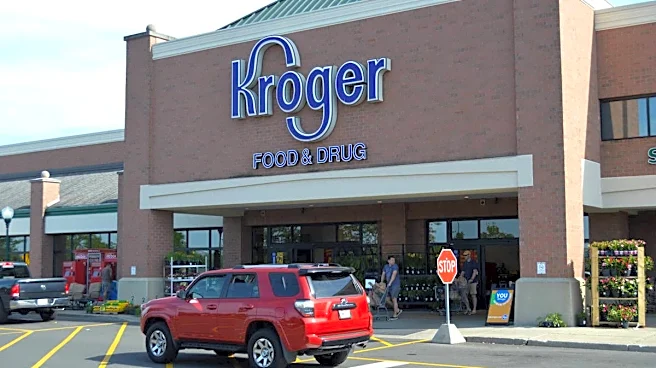
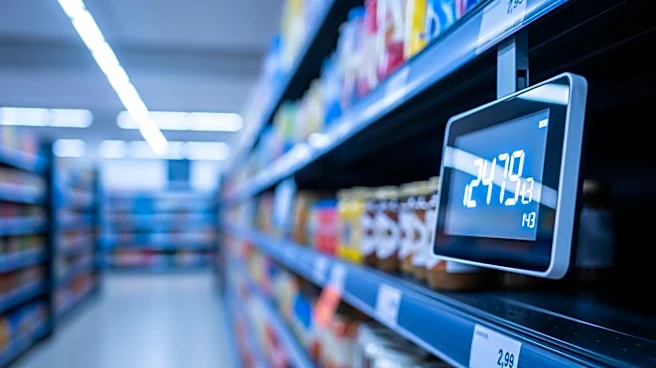
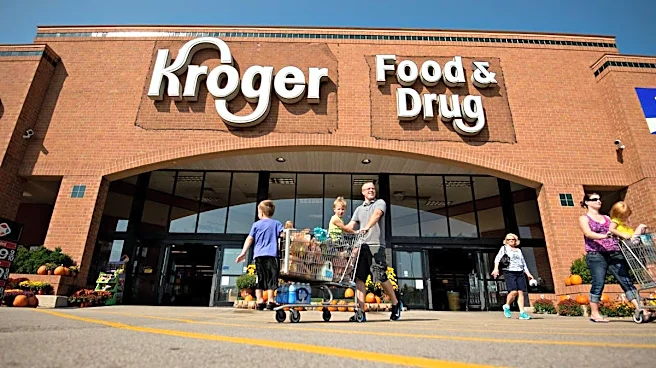
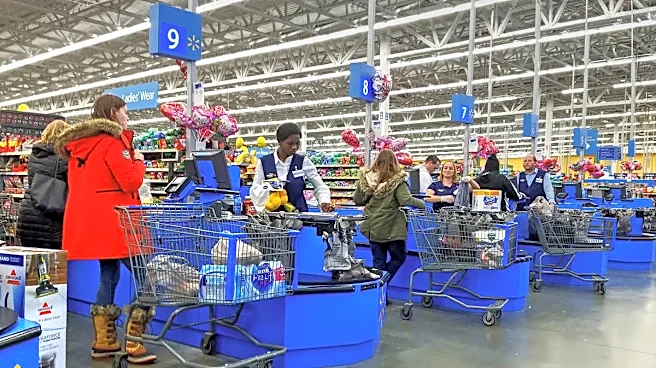
Kroger, a major U.S. grocery chain, is expanding its use of digital shelf tags across more locations, following a similar move by Walmart. These electronic shelf labels (ESLs) allow for real-time price adjustments based on market conditions, a practice
known as surge pricing. While Kroger claims the system is not intended for surge pricing, customers and lawmakers express concerns over potential price hikes. The expansion includes hundreds of stores in the Cincinnati-Dayton division, with the company aiming to improve efficiency and reduce labor costs.
Why It's Important?
The introduction of digital shelf tags represents a significant shift in retail pricing strategies, potentially affecting consumer spending and trust. While the technology offers operational benefits for retailers, it raises ethical questions about transparency and fairness in pricing. Consumers may face fluctuating prices, leading to dissatisfaction and loss of loyalty. The controversy also highlights the broader implications of technology in retail, where data-driven decisions can impact consumer behavior and market dynamics.
Beyond the Headlines
The use of digital pricing technology could set a precedent for other industries, influencing how businesses approach pricing strategies. It also raises questions about the role of artificial intelligence in consumer markets and the need for regulatory oversight to protect consumer interests. As technology continues to evolve, retailers must balance innovation with ethical considerations to maintain consumer trust.