





What's Happening?
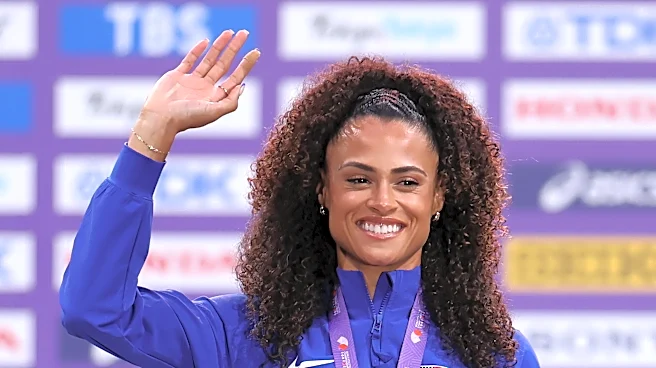
World Athletics has revealed the three finalists for the 2026 Women's World Athlete of the Year award: American sprinters Masai Russell and Melissa Jefferson-Wooden, and Swiss 800m runner Audrey Werro. Masai Russell set a new 100m hurdles world record
of 12.09 and remained undefeated in hurdles races throughout the season, winning the Ultimate Championship and Diamond League title. Melissa Jefferson-Wooden swept the 100m and 200m at the Ultimate Championship, achieving the third-fastest time ever in the 200m (21.47) and the year's fastest 100m (10.62). Audrey Werro secured Ultimate, Diamond League, and European titles in the 800m, lowering the Diamond League record three times and ending the season with a world-leading 1:53.70, which ranks third all-time. Ethiopian marathoner Tigst Assefa, who won the London and Berlin marathons, placed fourth in the voting, just missing the shortlist. The selection process involved an eight-person panel of statisticians for nominations, followed by voting from World Athletics+ subscribers, athletes, accredited media, and federation officials, with each group contributing 25% to the final ranking. The winners will be announced at the World Athletics Awards in Monaco on November 29.
Why It's Important?
The announcement of these finalists highlights the exceptional talent and competitive landscape within women's track and field, particularly showcasing American dominance in sprinting events. The recognition of Russell and Jefferson-Wooden underscores the United States' continued strength in short-distance running, potentially inspiring a new generation of athletes. The inclusion of Werro from Switzerland also demonstrates the global reach and diversity of top-tier athletic performance. This award is one of the most prestigious in athletics, and winning it can significantly elevate an athlete's profile, leading to increased sponsorship opportunities and influence within the sport. The shift in World Athletics' award categories, which now combines track, field, and out-of-stadium athletes into a single overall award, signifies a move towards a more unified recognition of athletic excellence across all disciplines. This change could impact how different events are perceived and valued within the sport's highest echelons, potentially increasing competition among diverse athletic specialties for top honors.
What's Next?
The ultimate winners of the Women's World Athlete of the Year award, along with the men's award, will be revealed at the World Athletics Awards ceremony in Monaco on November 29. This event will also feature other accolades, including the Rising Star awards, Coach of the Year, the President’s Award, and a new fan-voted Moment of the Year. Following the announcement, the winning athletes are likely to experience a surge in public recognition and media attention, which could translate into new endorsement deals and increased visibility for their respective disciplines. For the finalists, regardless of the outcome, their inclusion on such a prestigious list solidifies their status as elite athletes in the world of track and field. Their performances will continue to be closely watched in upcoming seasons, as they aim to maintain their top-tier status and potentially break more records. The awards ceremony will serve as a significant event for the global athletics community, celebrating the year's most outstanding achievements and setting the stage for future competitions.
Beyond the Headlines
The evolution of the World Athletics awards structure, particularly the decision to drop separate categories for track, field, and out-of-stadium athletes, reflects a broader trend towards simplifying and unifying major athletic accolades. This change could lead to more direct comparisons between athletes from vastly different disciplines, potentially sparking debates about how to fairly evaluate diverse forms of athletic prowess. While it aims to crown a single, undisputed 'best' athlete, it might also inadvertently diminish the specialized recognition previously afforded to athletes in less mainstream disciplines. The strong representation of American sprinters among the finalists also highlights the effectiveness of the U.S. athletic development system in producing world-class talent, raising questions about what other nations can learn from their approach. Furthermore, the voting process, which includes input from various stakeholders like fans, athletes, and media, underscores an effort to make the awards more inclusive and representative of the broader athletics community's perspectives, moving beyond purely statistical evaluations.