






What's Happening?
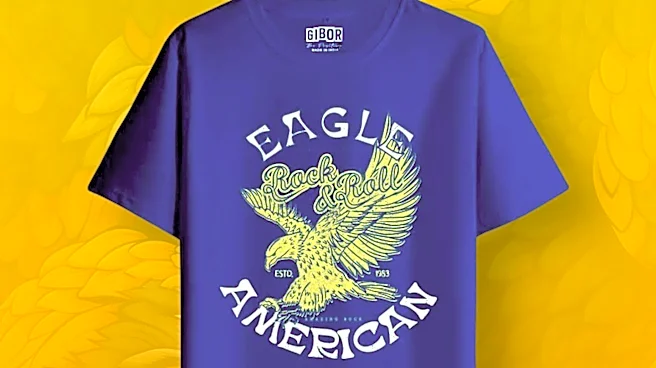
American Eagle Outfitters has closed three stores in Pennsylvania as part of a broader restructuring plan to shutter 35 locations nationwide. This move is part of the company's strategy to streamline operations and improve financial stability. Additionally,
American Eagle has engaged in selling the rights to its federal tariff refunds, a decision that involves accepting less money upfront in exchange for future payments. The company has applied for approximately $190 million in tariff refunds and anticipates a net cash benefit of $140 million. However, to expedite cash flow, American Eagle sold about $70 million worth of claims for a net of $20 million. This financial maneuver is part of a larger trend among retailers seeking immediate liquidity by selling refund rights.
Why It's Important?
The closure of stores and the sale of tariff refund rights highlight the financial pressures facing American Eagle Outfitters and similar retailers. By closing stores, the company aims to reduce operational costs and focus on more profitable locations. The sale of refund rights, while providing immediate cash, could potentially limit future financial flexibility. This strategy reflects a broader trend in the retail industry where companies are prioritizing short-term liquidity over long-term financial gains. The impact of these decisions could affect stakeholders, including employees, investors, and consumers, as the company navigates a challenging retail environment marked by changing consumer behaviors and economic uncertainties.
What's Next?
American Eagle Outfitters will continue to implement its restructuring plan, which may involve further store closures and financial adjustments. The company will also monitor the outcomes of its tariff refund sales to assess the impact on its financial health. Stakeholders, including investors and market analysts, will likely scrutinize the company's financial performance in upcoming quarters to evaluate the effectiveness of these strategies. Additionally, the retail industry may see more companies adopting similar approaches to manage cash flow and operational costs amid ongoing economic challenges.