









What's Happening?
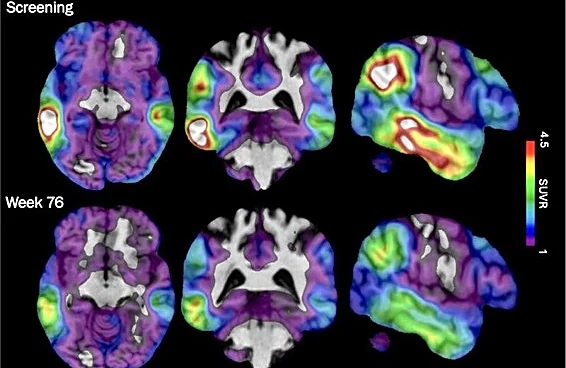
Biogen has presented data from a mid-stage trial of its antisense therapy at the Alzheimer’s Association International Conference. The trial aimed to demonstrate the correlation between tau reduction and clinical benefit in Alzheimer's patients. While
the data appeared to validate the anti-tau hypothesis, it also raised questions due to inconsistent results across different dosage levels. The trial, named CELIA, showed that the lowest dose of the drug diranersen slowed cognitive decline by 26% compared to placebo, but higher doses did not show a proportional benefit. Despite these mixed results, Biogen plans to proceed to Phase 3 trials. The company's stock fell by over 8% following the announcement, reflecting investor concerns about the drug's efficacy compared to existing anti-amyloid therapies.
Why It's Important?
The development of effective treatments for Alzheimer's disease is crucial, given the growing prevalence of the condition and its impact on patients and healthcare systems. Biogen's trial results are significant as they contribute to the ongoing exploration of tau-targeting therapies, which have historically faced challenges. The mixed results highlight the complexity of developing treatments that effectively target tau proteins, a key pathology in Alzheimer's. The trial's outcome could influence future research directions and investment in similar therapies. Additionally, the stock market reaction underscores the financial stakes involved in Alzheimer's drug development, affecting investors and stakeholders in the pharmaceutical industry.
What's Next?
Biogen plans to advance diranersen to Phase 3 trials despite the mixed results. The company will likely focus on optimizing dosage levels to achieve more consistent clinical benefits. The trial's outcome may prompt further research into the mechanisms of tau reduction and its clinical implications. Other pharmaceutical companies, such as Eisai and Denali Therapeutics, are also developing tau-targeting drugs, which could lead to competitive advancements in the field. The broader Alzheimer's research community will be closely monitoring these developments to assess the potential for new treatment options.
Beyond the Headlines
The trial results highlight the ongoing challenges in Alzheimer's drug development, particularly in targeting tau proteins. The discrepancies in dose-response raise questions about the optimal approach to tau reduction and the potential need for combination therapies. The trial also underscores the importance of biomarker validation in assessing drug efficacy. As the field progresses, ethical considerations around patient recruitment and trial design will remain critical, especially in ensuring diverse and representative study populations.