







What's Happening?
The hygge lifestyle, a Danish concept, is gaining recognition for its emphasis on comfort, presence, and togetherness. It involves creating feelings of safety, calm, and relaxation through elements like warm lighting, comfortable surroundings, and prioritizing
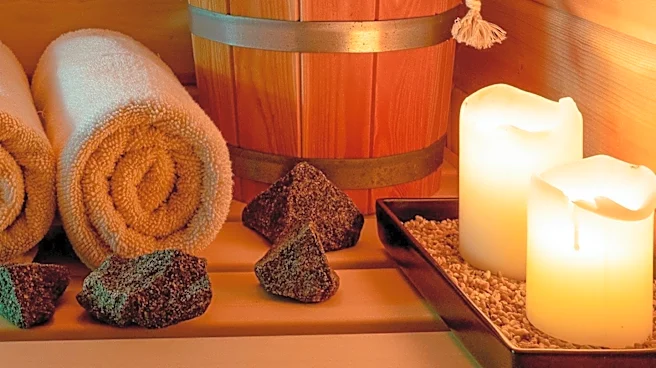
the present moment over constant productivity. Hygge is not primarily about material possessions but rather about fostering a mindset of coziness and simplicity. It can be practiced year-round and is considered a holistic approach to living, deeply rooted in Danish culture. Key elements include warm lighting from candles or dim lamps, comfortable environments with soft blankets and cushions, and a focus on being present rather than constantly busy. The concept encourages slowing down, limiting distractions, and finding joy in simple pleasures such as reading, listening to music, or sharing meaningful conversations with loved ones.
Why It's Important?
The growing interest in the hygge lifestyle highlights a societal need for practices that promote mental well-being and reduce stress in an increasingly fast-paced world. By encouraging individuals to create comfortable and calming environments, prioritize presence, and foster meaningful connections, hygge offers a counter-narrative to the pressures of constant productivity and consumerism. Its focus on simplicity and emotional warmth can lead to reduced anxiety, improved mood, and stronger relationships. This shift towards valuing internal states of contentment over external achievements can have significant implications for individual health, community building, and even workplace culture, potentially leading to a greater emphasis on work-life balance and employee well-being. The adoption of hygge principles can help individuals and communities cultivate a more balanced and fulfilling existence.
What's Next?
As the hygge lifestyle continues to gain traction, it is likely to influence various aspects of daily life, from home decor trends to personal routines and social interactions. We may see an increased demand for products that align with hygge principles, such as soft furnishings, ambient lighting, and items that encourage relaxation and mindfulness. Businesses might also incorporate hygge elements into their office designs to create more comfortable and less stressful work environments. Furthermore, the philosophy could inspire more individuals to consciously reduce screen time, engage in more face-to-face interactions, and dedicate time to simple, calming activities. Educational programs and workshops on mindfulness and well-being may also integrate hygge concepts to help people cultivate a more present and content way of living.
Beyond the Headlines
Beyond its immediate appeal for comfort, the hygge lifestyle touches upon deeper cultural and psychological implications. It challenges the modern societal inclination towards constant striving and external validation, instead advocating for an appreciation of the ordinary and the internal. This philosophy can foster a greater sense of gratitude and contentment, potentially leading to a re-evaluation of what constitutes a 'good life.' Ethically, hygge promotes sustainable living by emphasizing simplicity and reducing reliance on excessive consumption. Culturally, it offers a framework for building stronger social bonds through shared, unpressured moments. In the long term, widespread adoption of hygge principles could contribute to a more resilient and compassionate society, where well-being is prioritized alongside productivity, and individuals find deeper meaning in everyday experiences.