



What's Happening?
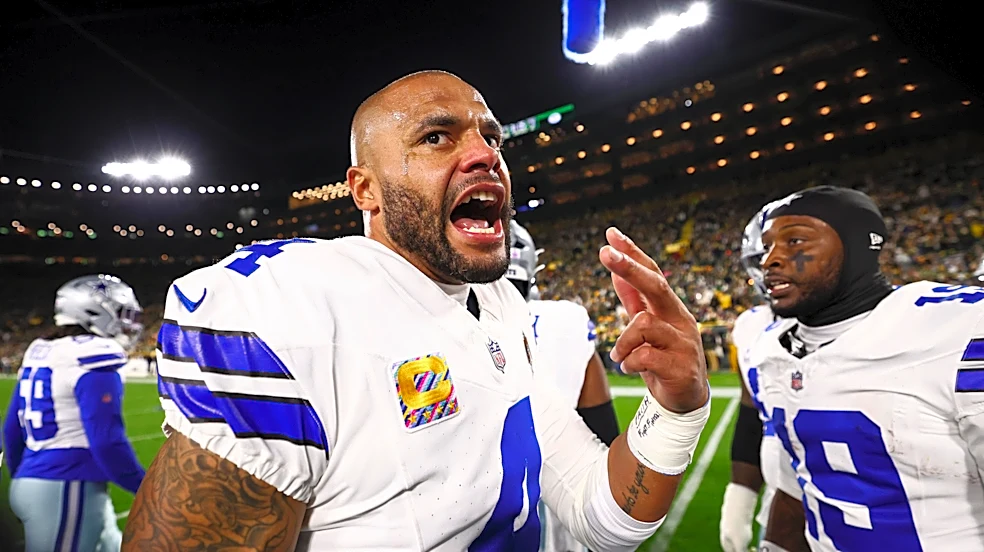
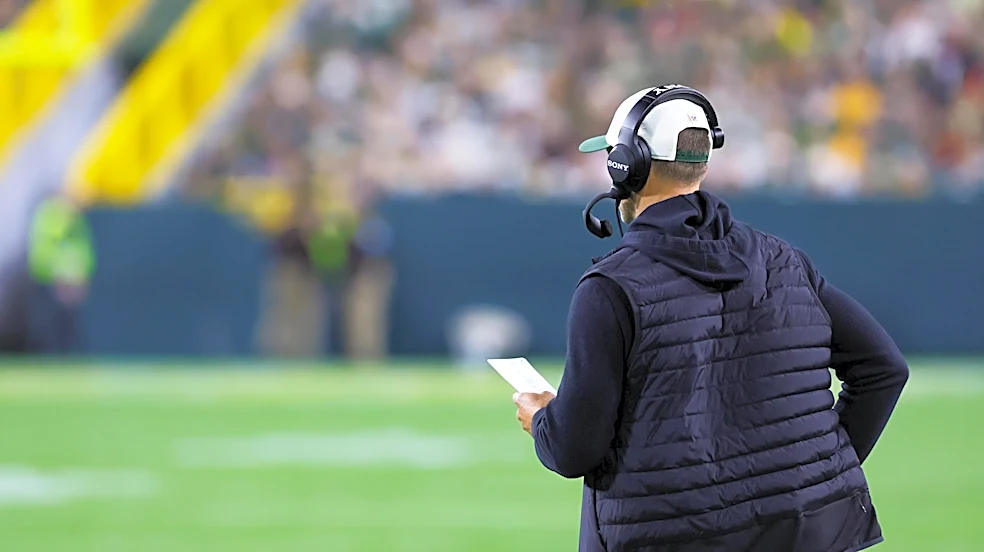
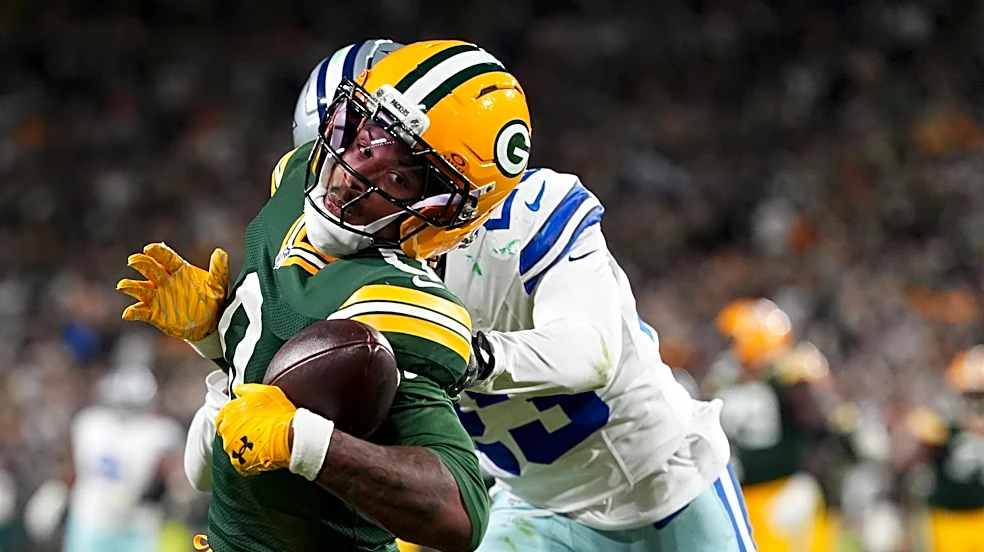
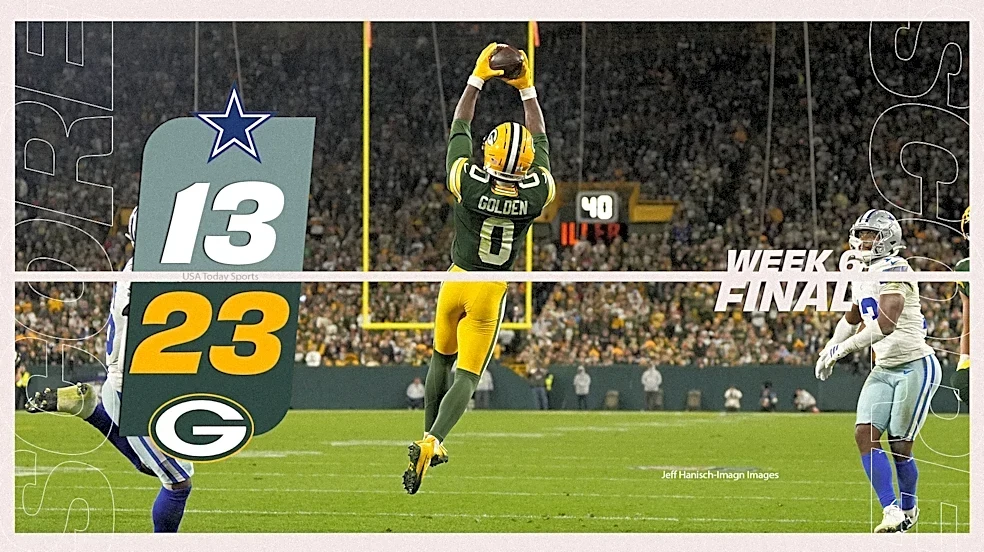
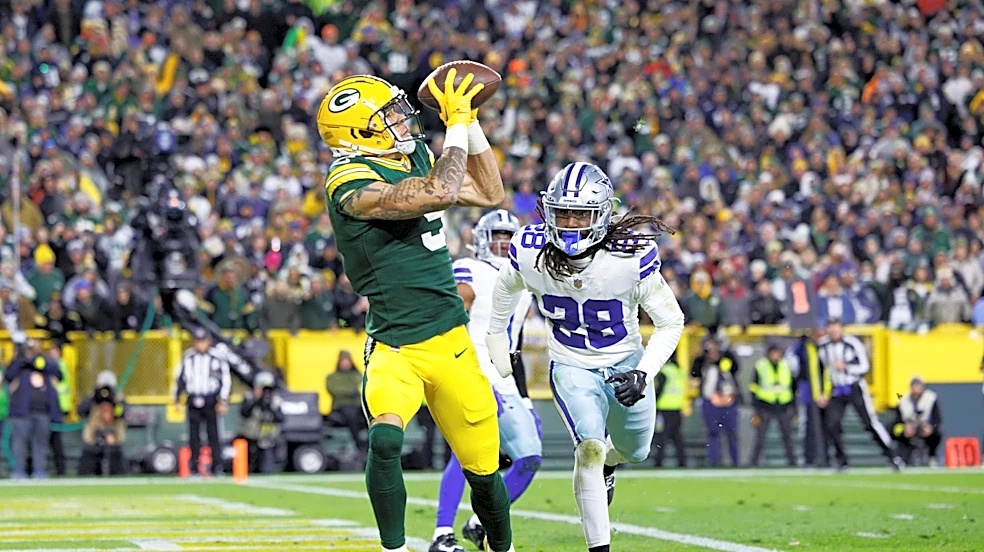
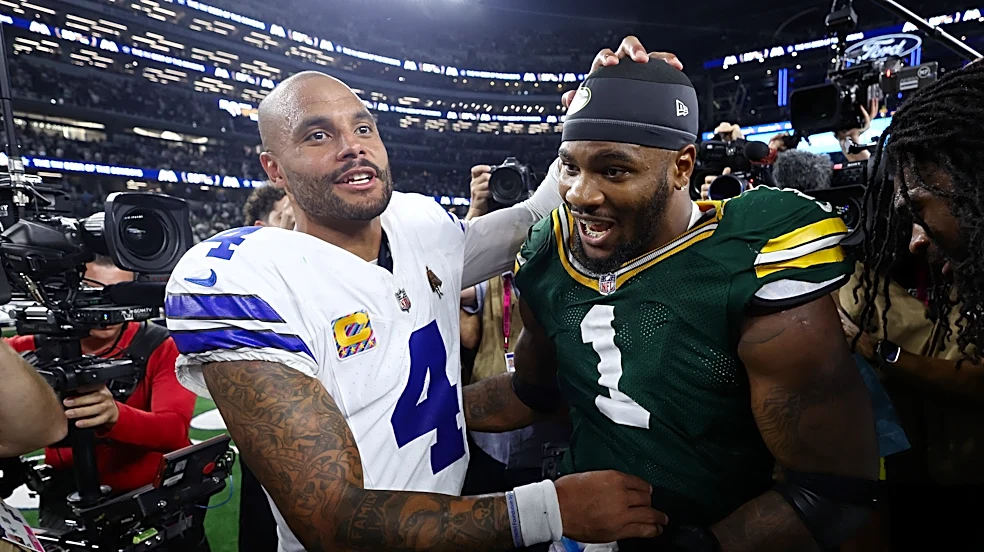
Green Bay Packers Head Coach Matt LaFleur has voiced strong concerns regarding the inconsistent application of roughing-the-passer penalties in the NFL, specifically after his team's game against the Dallas Cowboys. During the game, Cowboys quarterback
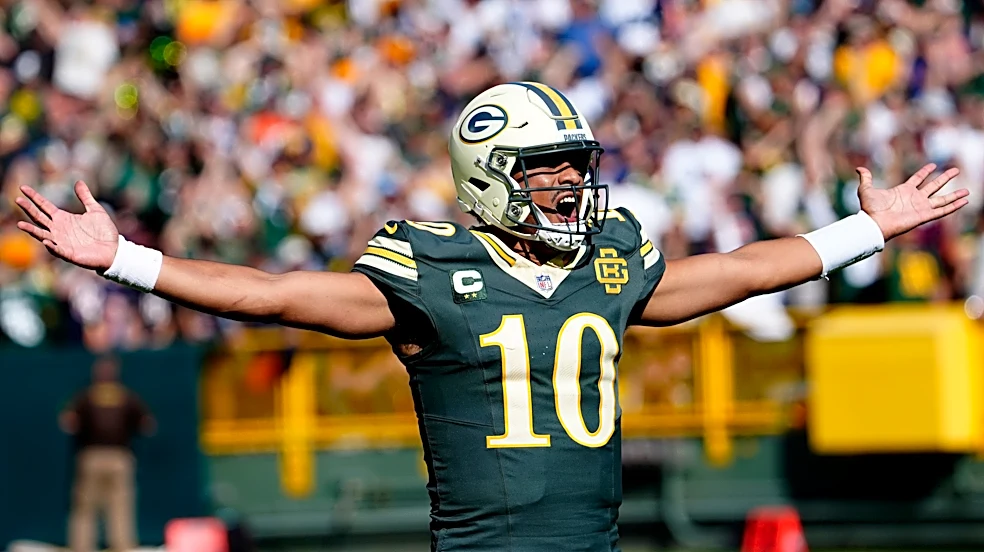
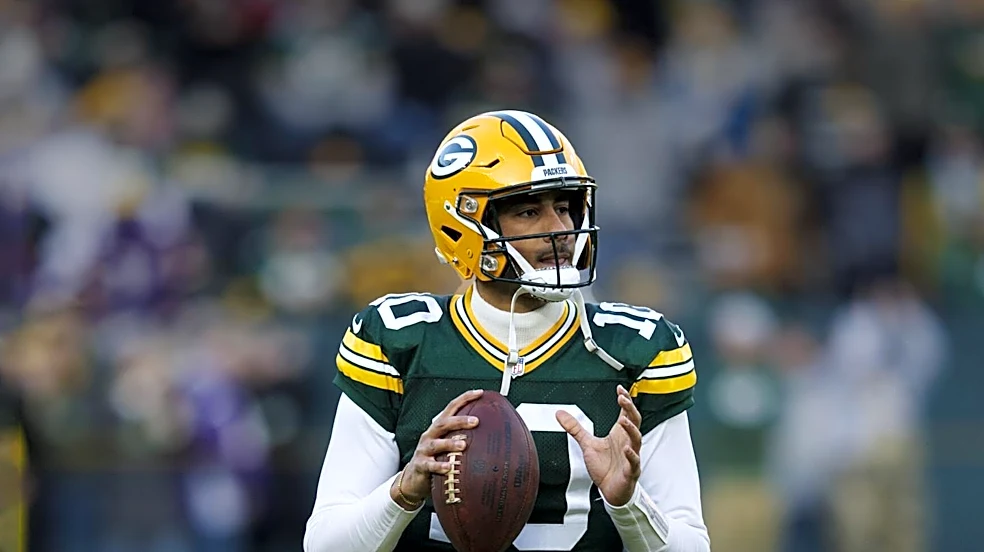
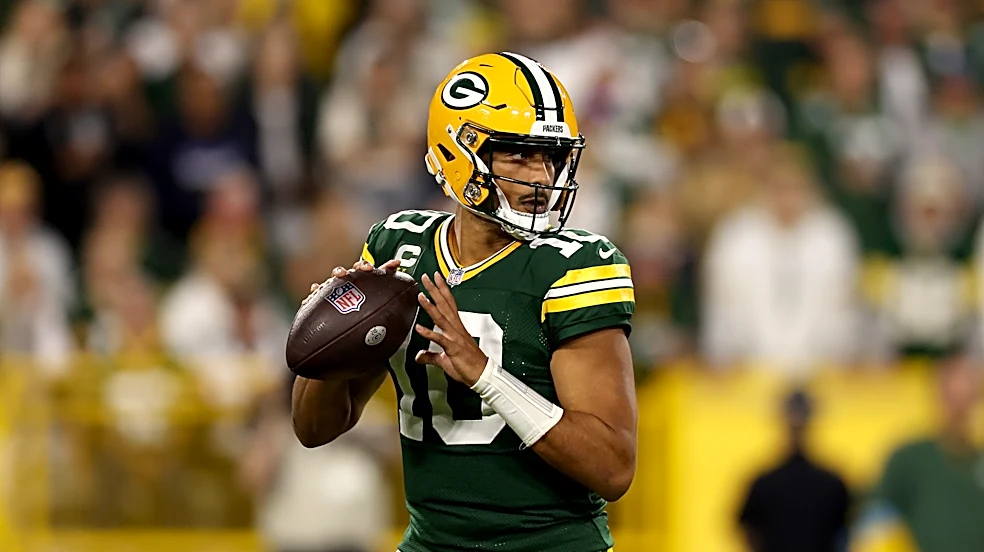
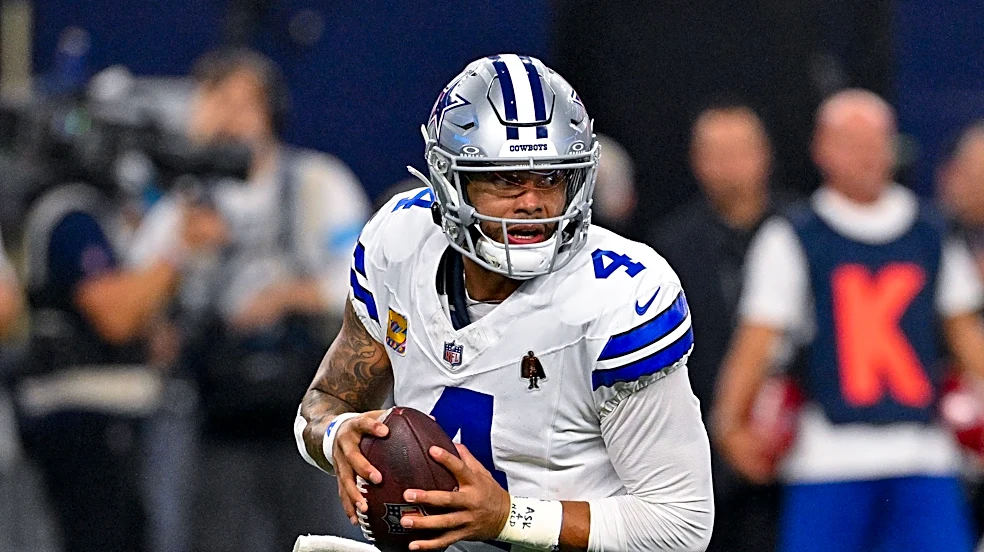
Dak Prescott received three roughing-the-passer calls, contributing to the Packers' league-high total of six such penalties this season. LaFleur highlighted that his quarterback, Jordan Love, has been subjected to 39 sacks or hits without drawing a single roughing-the-passer flag, suggesting a disparity in officiating. He emphasized the need for calls to be made consistently for both teams and quarterbacks. LaFleur plans to submit video evidence of the penalties to the league for clarification, aiming to understand the officiating standards better and educate his players on how to avoid such infractions. He also jokingly suggested that Love might need to be more assertive with officials to receive similar protection.
Why It's Important?
The issue raised by Coach LaFleur highlights a significant concern within professional football regarding officiating consistency, particularly concerning player safety rules like roughing-the-passer. Inconsistent calls can directly impact game outcomes, potentially altering momentum, field position, and scoring opportunities. For quarterbacks, who are often considered the most valuable players on a team, the lack of consistent protection can lead to increased injury risk and affect their performance. This situation also raises questions about fairness and competitive balance in the NFL, as teams may feel certain players or franchises receive preferential treatment. The financial implications for teams can also be substantial, as player injuries due to uncalled penalties can lead to lost games and reduced revenue. Furthermore, it can erode fan confidence in the integrity of the game if officiating is perceived as biased or inconsistent.
What's Next?
Following Coach LaFleur's stated intention, the Green Bay Packers will likely submit video footage of the disputed roughing-the-passer penalties to the NFL for review. The league's officiating department will then be expected to provide clarification on the calls, which could involve internal discussions, explanations to the team, or potentially even acknowledgments of officiating errors. This process might lead to further dialogue between the Packers organization and the NFL regarding officiating standards. It remains to be seen if LaFleur's public comments and submission of evidence will influence future officiating decisions in Packers games or lead to broader discussions within the league about the consistency of penalty enforcement. Jordan Love may also adopt a more vocal approach with officials, as suggested by his coach, to advocate for calls in his favor during future games.
Beyond the Headlines
This situation extends beyond a single game's officiating and touches upon the broader challenge of maintaining subjective judgment in a fast-paced, high-stakes sport. The 'roughing-the-passer' rule, designed for player safety, often faces criticism for its interpretation, leading to debates about what constitutes a legal hit versus an illegal one. The perception of star treatment for certain quarterbacks versus others can create a narrative of unfairness, potentially impacting player morale and team dynamics. Ethically, the NFL faces the challenge of ensuring impartiality and transparency in its officiating to uphold the sport's integrity. Legally, while teams cannot directly sue over officiating decisions, persistent perceived biases could lead to calls for more objective review mechanisms or rule adjustments. Culturally, such controversies fuel fan discussions and media scrutiny, shaping public perception of the league's fairness and competitiveness.