






What's Happening?
Nike Inc. is implementing a 'Sport Offense' strategy focused on product innovation and portfolio diversification to boost consumer demand and restore growth momentum. The company is emphasizing fresh product launches, performance-driven innovation, and differentiated
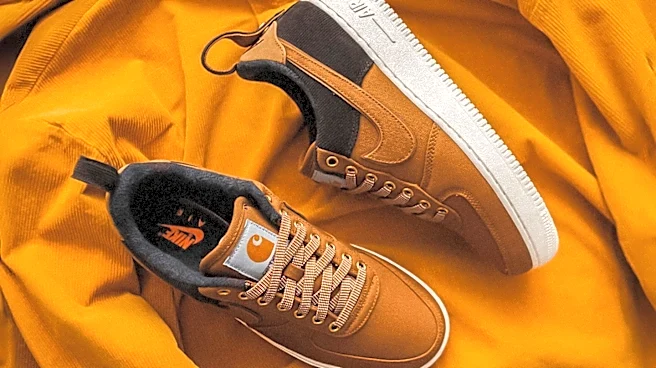
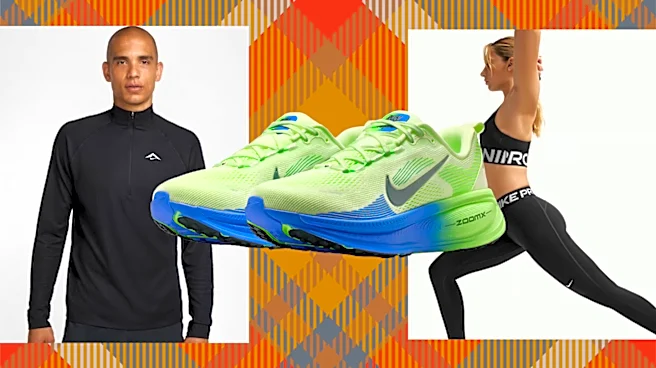
assortments. This strategic shift aims to reduce reliance on established lifestyle franchises and introduce products tailored to specific consumer preferences, thereby strengthening brand relevance and driving higher full-price sales. In the first quarter of fiscal 2027, Nike's Performance portfolio saw high single-digit growth, with running, global football, tennis, and golf categories experiencing double-digit growth. Key running innovations include the Pegasus Plus 2, Alphafly 4, Swooshfly, and NIKE Apex. The company also saw success with the NIKE Mind franchise in training and the Caitlin 1 launch in basketball. Concurrently, Nike is repositioning its lifestyle portfolio by reducing Dunk revenues by nearly 50% and limiting Jordan Retro launches to rebuild scarcity and support full-price selling. Newer Sportswear styles like the P-6000 and V5 RNR, along with the Studio Fleece apparel collection, have shown strong growth.
Why It's Important?
This strategic pivot by Nike is crucial for its market position and financial performance in the highly competitive athletic footwear and apparel industry. By focusing on innovation and diversification, Nike aims to regain market share and appeal to a broader consumer base. The emphasis on performance categories, particularly running, indicates a move to leverage its core strengths and technological advancements, which have historically been key drivers of its success. The repositioning of lifestyle brands like Dunk and Jordan Retro is designed to restore brand exclusivity and premium pricing, which had been diluted by over-saturation. This could lead to increased profitability and a stronger brand image in the long term. However, the company anticipates that these portfolio adjustments will pressure revenues through fiscal 2027 and into fiscal 2028, indicating a period of transition and potential short-term financial headwinds. The success of this strategy will depend on sustained consumer acceptance and effective execution of new product launches and brand management.
What's Next?
Nike expects its portfolio adjustments to impact revenues through the remainder of fiscal 2027 and into fiscal 2028. The company will continue to roll out new products across its performance categories, building on the momentum seen in running and other sports. Further efforts will be made to manage the supply and distribution of its lifestyle brands to enhance exclusivity and drive full-price sales. The success of newer Sportswear styles and apparel collections will be closely monitored as indicators of consumer response to the refreshed product offerings. Competitors like Adidas AG and Lululemon Athletica Inc. are also focusing on product innovation and diversification, suggesting that the market will remain highly competitive. Nike's ability to translate its product innovation into broader business momentum will be critical, requiring continuous consumer engagement and efficient supply chain management.
Beyond the Headlines
Nike's strategy reflects a broader trend in the consumer goods industry where brands are increasingly focusing on product differentiation and targeted marketing to combat market saturation and evolving consumer preferences. The move to reduce reliance on established lifestyle franchises highlights the challenge of maintaining brand allure in a fast-paced fashion cycle. By emphasizing performance innovation, Nike is not only aiming for commercial success but also reinforcing its identity as a leader in athletic technology. This could have long-term implications for how sportswear brands balance heritage with innovation. The ethical dimension of managing product scarcity for luxury appeal, as seen with Jordan Retro, also raises questions about consumer access and brand elitism. Ultimately, Nike's success in this 'product reset' could serve as a blueprint for other global brands navigating similar market dynamics.