




What's Happening?
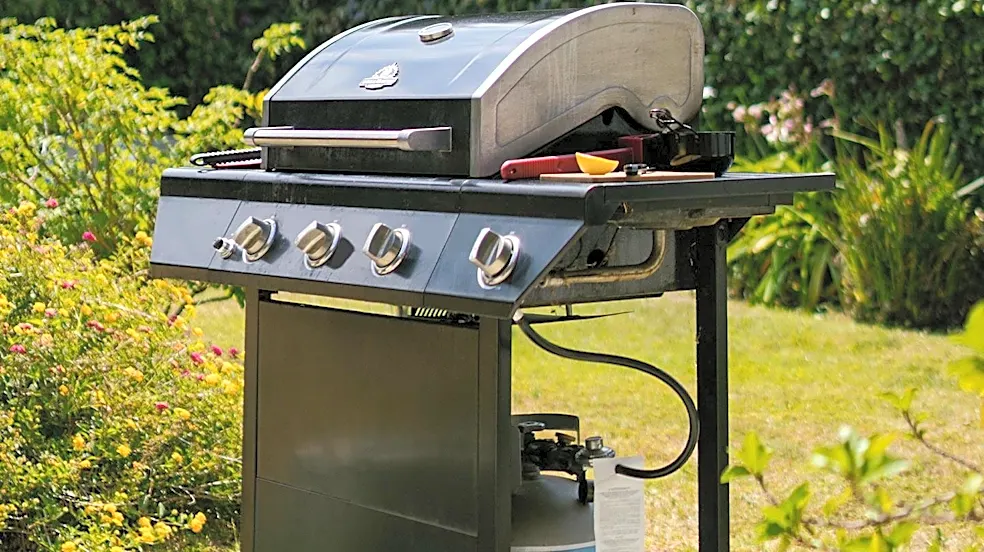
The outdoor BBQ grills market is undergoing a significant transformation due to increasing consumer environmental consciousness and a demand for sustainable living solutions. Manufacturers are moving away from traditional materials like painted steel,
aluminum, and non-recyclable plastics, which raise environmental concerns during production and disposal. Instead, they are incorporating eco-friendly alternatives such as recycled steel, biodegradable composites, and sustainably sourced wood. This shift aims to reduce the carbon footprint of manufacturing and appeal to environmentally aware buyers. These sustainable materials also contribute to the durability and longevity of grills, with corrosion-resistant recycled steel, for example, extending product lifespan and reducing waste. Brands prioritizing these materials are gaining a competitive edge, as consumers are increasingly willing to pay more for environmentally responsible products. Innovations like solar-powered ignition systems, low-emission burners, and the use of eco-friendly fuels such as bioethanol and propane are also becoming prevalent.
Why It's Important?
This trend is important for the U.S. market as it reflects a broader societal shift towards environmental responsibility and sustainable consumption. For consumers, it means access to more durable, eco-friendly products that align with their values, potentially reducing their environmental impact. For manufacturers, embracing sustainable materials and practices can enhance brand reputation, attract a growing segment of eco-conscious consumers, and provide a competitive advantage in a crowded market. Companies that invest in green product development and circular business models are better positioned for long-term profitability. The adoption of these materials and technologies also contributes to broader environmental goals by reducing waste, lowering carbon emissions, and promoting the use of renewable resources. This can lead to a more sustainable manufacturing sector and potentially influence regulatory frameworks to encourage further eco-friendly innovations.
What's Next?
The outdoor BBQ grills market is expected to continue its trajectory towards greater sustainability. Manufacturers will likely further integrate environmentally responsible practices and technologies to meet evolving consumer expectations and regulatory requirements. This includes continued innovation in design, such as more efficient burner technologies and the development of fully recyclable components to facilitate end-of-life disposal. Business models may also evolve to promote sustainability, with potential growth in product-as-a-service models, recycling programs, and green certifications to build consumer trust. Regional adoption patterns, particularly in North America and Europe, will continue to be driven by stringent environmental regulations and high consumer awareness. Companies will need to monitor technological advancements and adapt their strategies to capitalize on emerging opportunities in this increasingly eco-conscious market.
Beyond the Headlines
Beyond the immediate market implications, the shift towards sustainable materials in outdoor BBQ grills highlights a deeper cultural and ethical transformation in consumer behavior and corporate responsibility. It underscores a growing recognition that product lifecycle, from sourcing to disposal, has significant environmental consequences. This trend could encourage other industries to re-evaluate their material choices and manufacturing processes, fostering a broader movement towards circular economy principles. The emphasis on durability and longevity also challenges the prevailing 'throwaway' culture, promoting a more mindful approach to consumption. Furthermore, the demand for transparency in supply chains and the push for certifications reflect a desire for greater accountability from businesses, potentially leading to more rigorous environmental standards across various sectors and a more sustainable future for consumer goods.