



What's Happening?
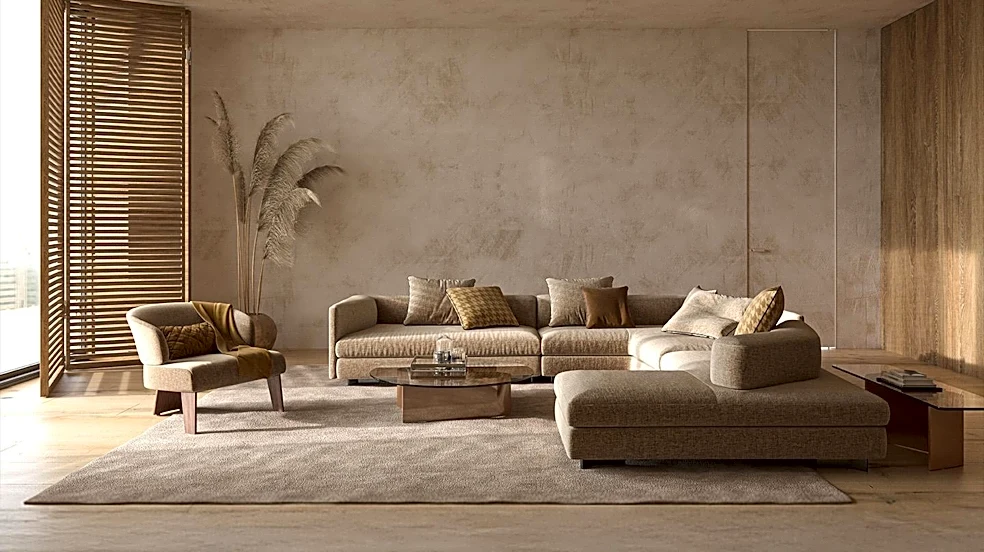
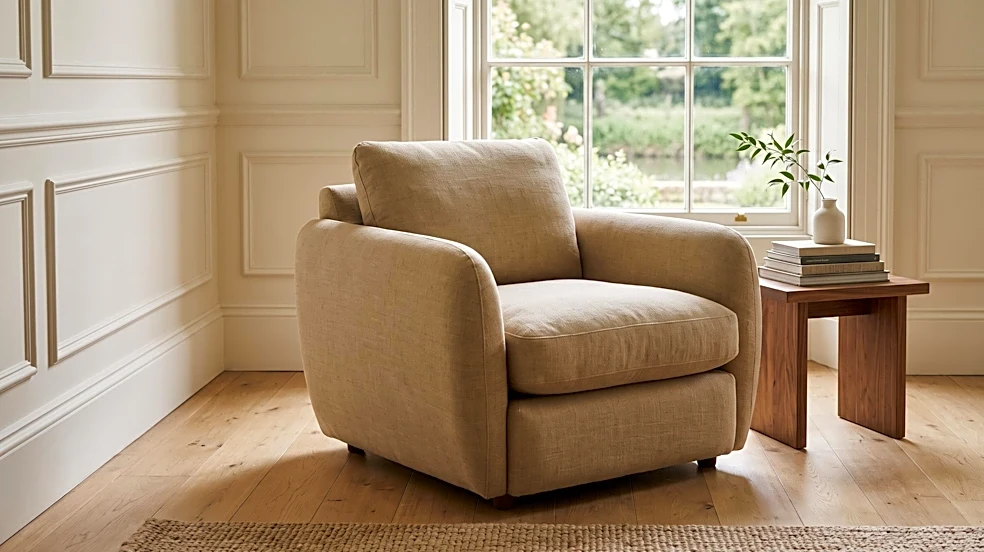
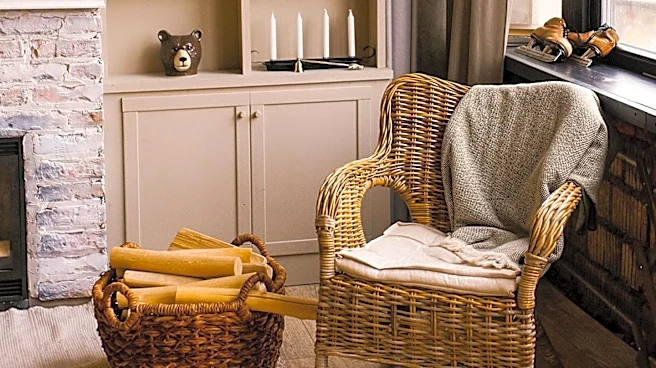
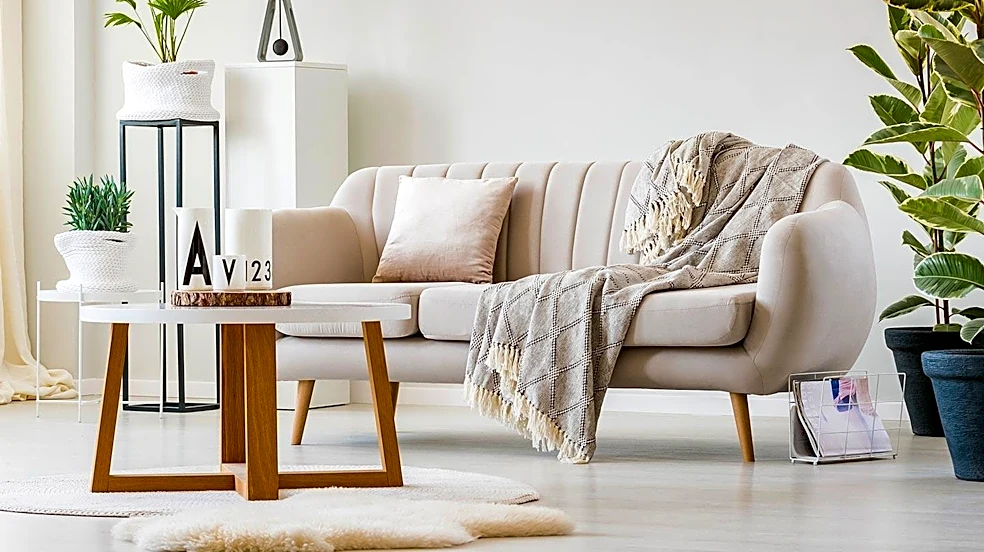
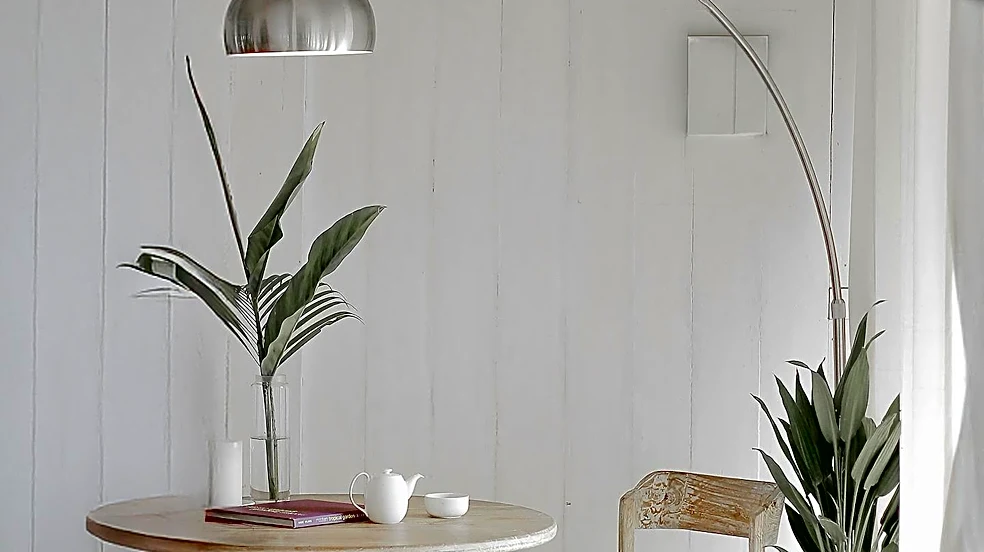
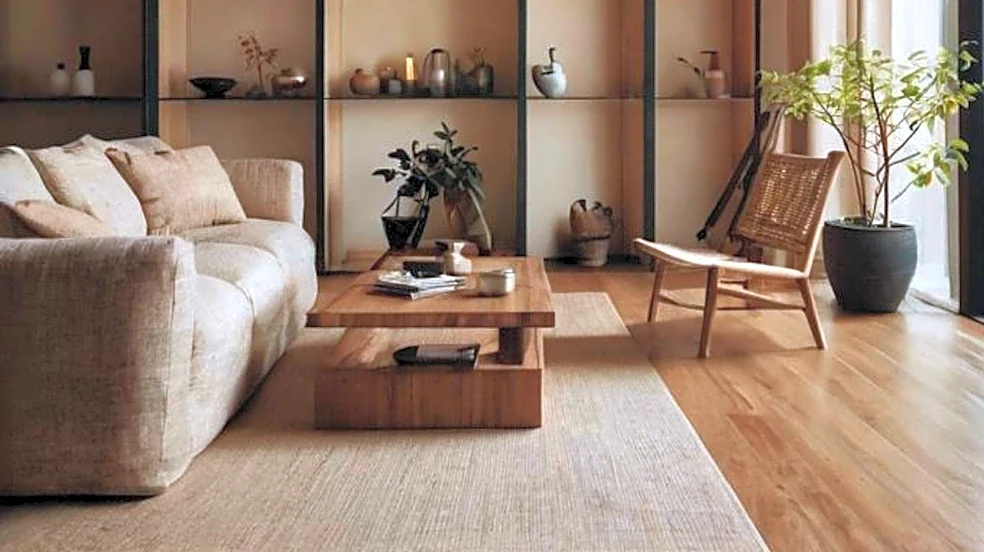
Scandinavian minimalism, characterized by simplicity, utility, clean lines, and neutral tones, is increasingly influencing modern home design and product development. This design philosophy emphasizes uncluttered spaces and practical solutions, making
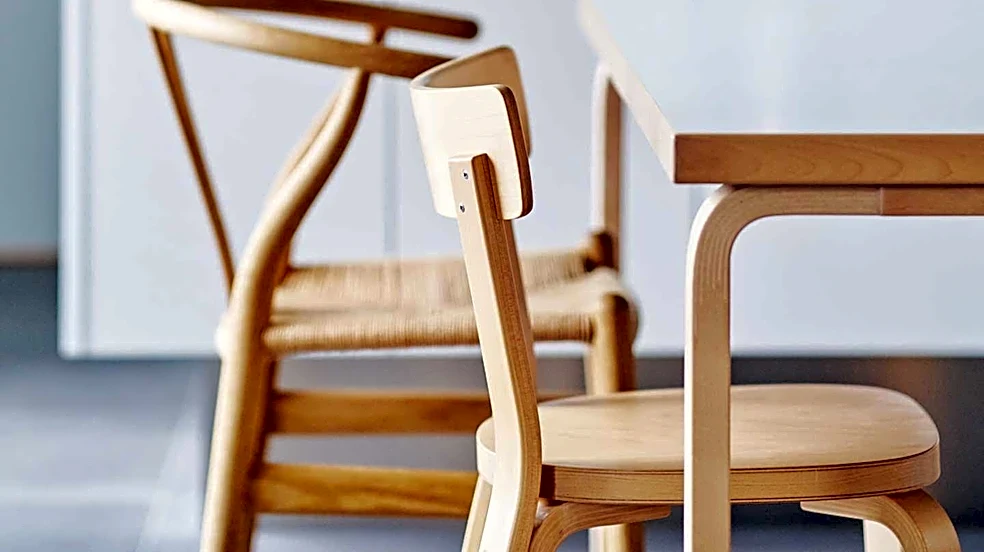
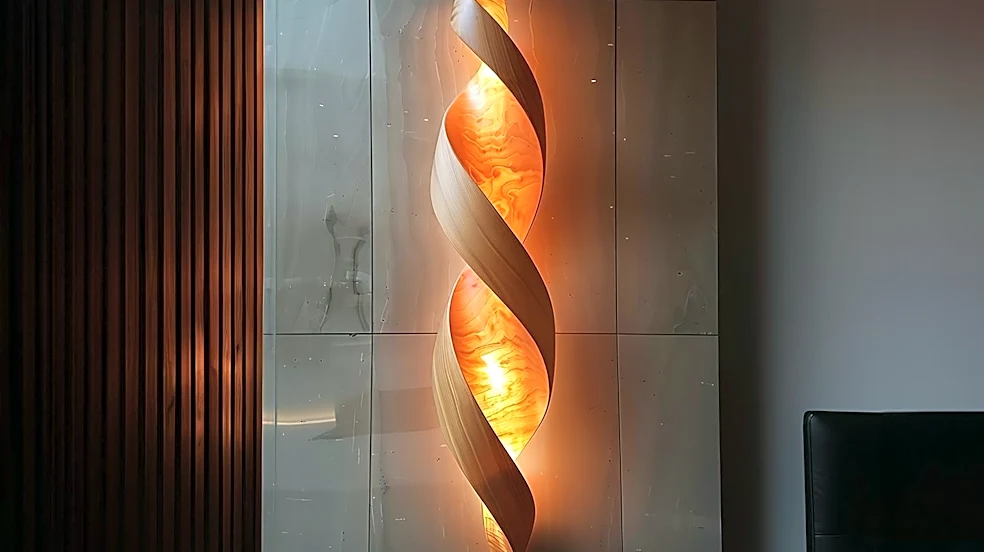
it suitable for various home makeovers, including living rooms, bedrooms, and entryways. The style is evident in smart home upgrades, furniture customization, and even eyewear. For instance, furniture can be transformed using decorative overlays and wood panels, while wall slats and decor can introduce a Nordic touch. Kitchen and dining areas are adopting natural wood tones and straightforward designs, with cabinet fronts refreshed using sleek wooden overlays or patterned panels to achieve an elegant Scandinavian look. The approach also incorporates elements of Japanese minimalism, focusing on removing non-essentials and valuing empty space, while integrating warmth and practical considerations like functional storage and lighting. This blend creates visually calming and highly practical living environments.
Why It's Important?
The growing adoption of Scandinavian minimalism in U.S. home design and product markets signifies a broader shift towards functionality, sustainability, and aesthetic simplicity. This trend impacts various industries, from furniture manufacturing and interior design to smart home technology and fashion. Consumers are increasingly seeking versatile and adaptable solutions that maximize space efficiency and offer timeless elegance, moving away from overly ornate or transient design trends. For businesses, this means a demand for products that align with these principles, such as dual-purpose furniture, sustainable materials like recycled acetates in eyewear, and integrated storage solutions. The emphasis on natural materials, concealed appliances, and continuity between spaces also reflects a desire for cohesive and serene living environments. This movement can lead to more sustainable consumption patterns as products designed with longevity and adaptability are favored, potentially reducing waste and promoting a more thoughtful approach to home furnishing and personal items.
What's Next?
The influence of Scandinavian minimalism is expected to continue expanding across various sectors. We can anticipate further innovations in smart home technology that seamlessly integrate with minimalist aesthetics, offering practical solutions without compromising clean lines. The furniture industry will likely see a continued focus on modular, customizable, and multi-functional pieces that cater to smaller living spaces and evolving consumer preferences for adaptability. In fashion and accessories, brands may further explore sustainable materials and timeless designs, as exemplified by eyewear companies blending Scandinavian precision with eco-conscious production. Interior designers and architects will likely incorporate more natural materials, neutral palettes, and integrated storage solutions in residential and commercial projects. Educational resources and DIY guides for achieving a Scandinavian look through affordable upgrades will also likely proliferate, empowering more consumers to adopt this style without extensive renovations. The trend suggests a future where design prioritizes well-being, efficiency, and environmental responsibility.
Beyond the Headlines
Beyond its aesthetic appeal, the embrace of Scandinavian minimalism reflects deeper cultural and psychological shifts. The emphasis on uncluttered spaces and simplicity can contribute to reduced stress and improved mental well-being, offering a sanctuary from the complexities of modern life. This design philosophy also subtly promotes a more conscious consumption mindset, encouraging individuals to invest in fewer, higher-quality items that serve multiple purposes and have a longer lifespan. The integration of Japanese principles like 'kanso' (simplicity through removing the non-essential) and 'ma' (the value of empty space) highlights a philosophical approach to living that values intentionality and mindfulness. This trend could foster a greater appreciation for craftsmanship, natural materials, and sustainable practices, influencing not just how we design our homes but also how we interact with our possessions and the environment. It represents a move towards a more deliberate and harmonious way of living, where design serves to enhance daily life rather than merely adorn it.