
What's Happening?
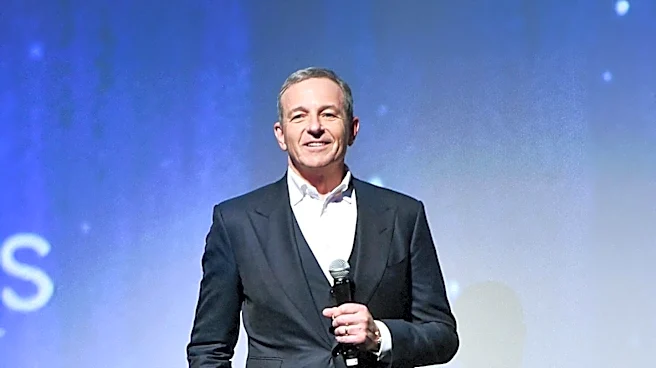
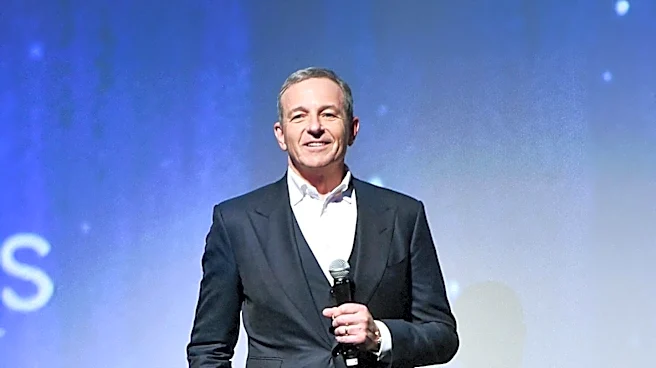
During Disney's 2012 acquisition of Lucasfilm, CEO Bob Iger reportedly disliked George Lucas's plot outlines for three new Star Wars films. According to an account from 'The House of Mouse,' an upcoming book by Wall Street Journal reporter Robbie Whelan,
Iger ensured the contract for the Lucasfilm purchase included a provision that Disney had no legal obligation to produce these specific films. One individual involved in the negotiations recalled Iger privately stating, 'We are not making these movies.' This information was discussed on The Town podcast, where Whelan was a guest alongside Matthew Belloni. The decision to bypass Lucas's original sequel concepts significantly influenced the direction of the Star Wars franchise under Disney's ownership.
Why It's Important?
This revelation is important because it sheds light on the creative control dynamics during a major corporate acquisition and its subsequent impact on a globally recognized entertainment franchise. Disney's decision to disregard George Lucas's sequel outlines meant a departure from the creator's vision for the Star Wars saga, leading to a new narrative direction for the sequel trilogy. This move has had significant implications for the franchise's fan base and its commercial performance, as Disney pursued its own creative path. The choice to not follow Lucas's treatments highlights the strategic decisions made at the highest levels of corporate entertainment, where creative vision can be overridden by business objectives and perceived market viability. It also underscores the power of contractual agreements in shaping the future of intellectual property.
What's Next?
The information regarding Bob Iger's rejection of George Lucas's Star Wars sequel outlines is expected to resurface with the release of Robbie Whelan's book, 'The House of Mouse.' This publication will likely reignite discussions among Star Wars fans and industry observers about the creative choices made by Disney following the Lucasfilm acquisition. While Disney has already produced its sequel trilogy, the renewed focus on Lucas's original concepts could lead to further speculation about 'what if' scenarios and alternative directions the franchise could have taken. It may also prompt further analysis of Disney's long-term strategy for the Star Wars intellectual property and how it balances creative integrity with commercial interests. The ongoing efforts by figures like Filoni, Favreau, and Gilroy to 'repair' the IP suggest a continued evolution of the franchise's narrative.
Beyond the Headlines
The decision to sideline George Lucas's sequel outlines raises deeper questions about the legacy of creators within large corporate structures and the balance between artistic vision and commercial viability. It highlights the potential for tension when an iconic creator's work is acquired by a major studio, especially when the new owner opts for a different creative direction. This scenario can lead to debates about authenticity, fan expectations, and the long-term health of an intellectual property. The perceived 'destruction' of the IP by some fans, as mentioned in the source, underscores the emotional investment audiences have in beloved franchises. It also prompts reflection on whether a creator's original vision should always be preserved, or if new ownership has the right to reinterpret and evolve a story for new generations, even if it means diverging from the founder's path.