




What's Happening?
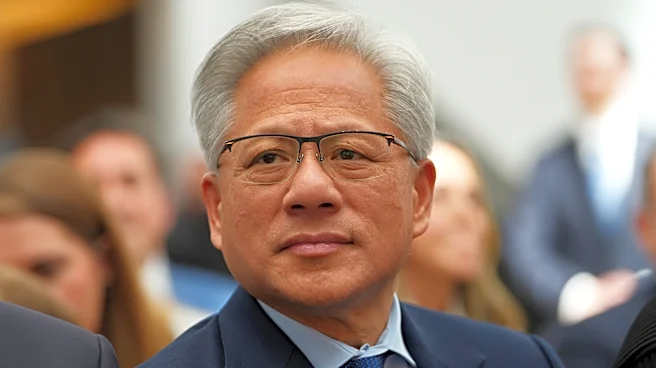
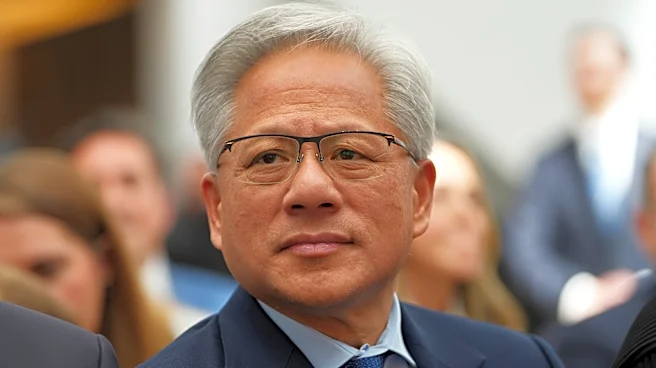
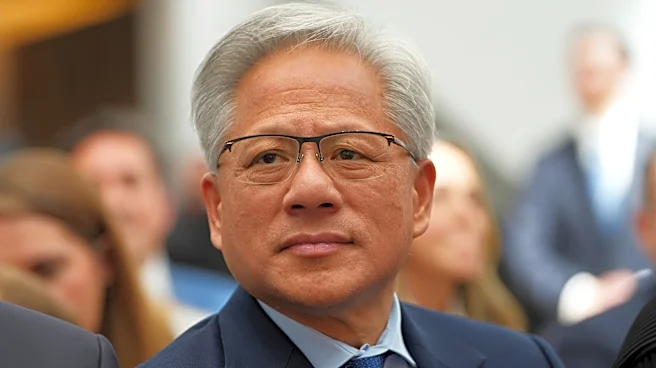
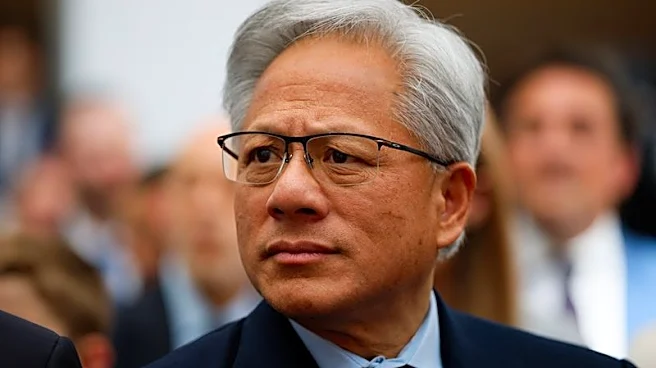
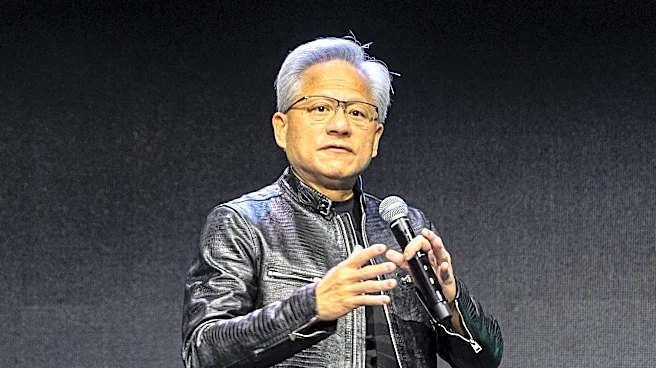
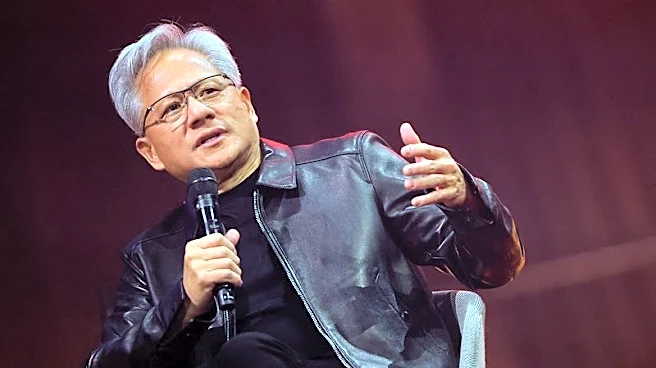
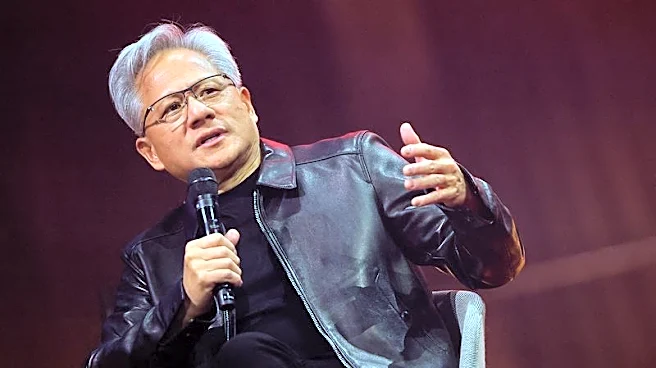
Nvidia, a prominent U.S. chip manufacturer, has launched an independent investigation into its CEO and co-founder, Jensen Huang. This action follows Huang's admission of an extramarital affair with Alice Huang, a Chinese businesswoman suspected by U.S. intelligence
of working for Chinese intelligence services. The New York Times initially reported the alleged espionage plot, stating that intelligence agencies concluded in 2025 that Alice Huang was passing information to Beijing. This conclusion was reportedly based on electronic surveillance and documented in a classified memorandum overseen by Secretary of State Marco Rubio. Jensen Huang, a central figure in the artificial intelligence sector and an informal advisor to President Trump, has publicly apologized for his infidelity and pledged full cooperation with the investigation. The board of directors emphasized that they currently have no reason to believe U.S. national security or Nvidia's trade secrets have been compromised. Alice Huang, who held a senior position at Megaspeed International, a company under U.S. investigation for potentially shipping Nvidia chips to China in violation of export restrictions, is not related to Jensen Huang.
Why It's Important?
This investigation carries significant implications for U.S. national security, the technology industry, and U.S.-China relations. Nvidia is a global leader in artificial intelligence technology, a field with critical military applications where the U.S. and China are in fierce competition. The potential compromise of information regarding President Trump's thinking on AI, as suggested by U.S. officials, could have strategic consequences. For Nvidia, the scandal creates an internal crisis, potentially impacting its reputation, stock value, and relationships with government partners. The ongoing investigation into Megaspeed International for alleged chip smuggling further highlights the sensitive nature of technology exports to China and the broader efforts to safeguard U.S. technological dominance. The incident also underscores the vulnerabilities that personal relationships can create in high-stakes geopolitical and economic environments, potentially leading to increased scrutiny of executives in critical industries.
What's Next?
Nvidia's independent committee, aided by external legal counsel, will proceed with its investigation, examining all available information to determine if any national security breaches or trade secret compromises occurred. Republican lawmakers are already pressuring for Jensen Huang's testimony regarding his relationship with Megaspeed and Nvidia's security protocols. President Trump has publicly supported Huang, stating he would 'certainly take him' on an upcoming trip to Asia and expressing hope that 'everything’s fine,' despite receiving intelligence about the relationship a year prior. China has dismissed the allegations as 'baseless' and 'slanderous.' The outcome of Nvidia's internal investigation and any subsequent government actions could lead to stricter regulations on technology executives' personal conduct, particularly concerning foreign nationals from rival nations. The situation may also intensify the ongoing debate about the balance between corporate autonomy and national security interests in the technology sector.
Beyond the Headlines
The incident delves into the complex ethical and legal dimensions of corporate leadership in an era of heightened geopolitical tension. It raises questions about the personal conduct of executives in sensitive industries and the potential for foreign intelligence agencies to exploit such vulnerabilities. The alleged use of a personal relationship to gather intelligence on AI, a dual-use technology, highlights the evolving nature of espionage beyond traditional state-sponsored hacking. This development could prompt a re-evaluation of corporate security measures, not just in terms of cybersecurity but also in vetting the personal lives and associations of key personnel. Furthermore, the differing reactions from President Trump and Republican lawmakers underscore the political complexities and potential divisions in addressing national security concerns, particularly when they involve influential business leaders. The case may set a precedent for how U.S. corporations and the government handle similar situations in the future, potentially leading to more stringent guidelines for executives in critical technology sectors.